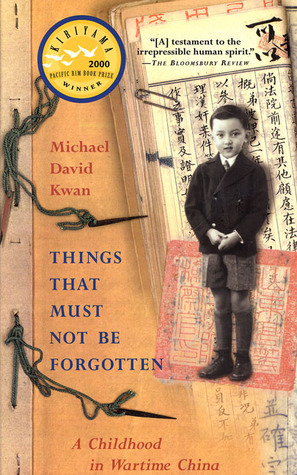
Things That Must Not Be Forgotten: A Childhood in Wartime China
Book Description
As the shadow of conflict looms over a young boy's home, vivid memories swirl—a kaleidoscope of joy, fear, and resilience. Michael David Kwan weaves a poignant tapestry of a childhood lost to the chaos of wartime China, where laughter mingles with the grim reality of survival. Searing images capture the innocence shattered by bombings, the bonds forged in struggle, and the indomitable spirit of a family clinging to hope. In a world where every moment counts and memories are all that remain, what does it truly mean to remember?
Quick Book Summary
"Things That Must Not Be Forgotten" is Michael David Kwan's stirring memoir of growing up in China during one of its most tumultuous times—the Second World War. Through the recollections of his childhood, Kwan brings to life a vibrant but perilous world marked by both frequent upheaval and precious moments of joy. He recounts the ways in which war permeated everyday existence, from disruptions in routine to the looming threat of violence, and how these circumstances shaped his development. Family bonds and fleeting innocence are central as the author describes not just the terror of bombings, hunger, and displacement, but also the resilience, hope, and wisdom that hardship could foster. The memoir provides an intimate portrait of a family’s survival, deepened by reflection on the legacy of memory and the necessity of remembering what war could so easily erase.




Summary of Key Ideas
Table of Contents
Childhood Innocence Amid Turmoil
Kwan’s childhood unfolds against the harrowing backdrop of World War II in China. As Japanese forces advanced and uncertainty reigned, Kwan’s early years were marked by constant flux, the fear of bombings, and precarious living. Yet through his vivid storytelling, flashes of childhood innocence and moments of joy emerge. He describes playing with friends, finding ways to laugh, and discovering simple pleasures that offered oasis-like relief from the chaos surrounding him. These experiences are bittersweet, underscoring the sharp contrast between the world of children and the destructive realities of war.
Impact of War on Daily Life and Family
Family is a central theme throughout the memoir, acting as both anchor and lifeline during unstable times. Kwan explores his close-knit relations—especially the influence of his mother and grandmother—who shielded and nurtured him amid hardship. Through these relationships, he learned enduring lessons of love, courage, and sacrifice. The family’s ability to adapt, share joy, and support each other became a vital form of resistance, teaching Kwan that resilience is often forged in adversity and shared struggle.
Resilience and Adaptation
War profoundly impacted every aspect of daily life. Kwan describes the constant threat of violence, displacement from home to home, and the ever-present scarcity of food and security. Schools were interrupted, communities dissolved, and routines shattered. Yet he also details how individuals and communities found ways to cope—using humor, ingenuity, and perseverance to survive. These strategies were critical to maintaining dignity and hope in the face of fear, trauma, and loss.
Cultural Identity and Tradition
Interwoven with personal experiences are reflections on cultural identity and tradition. Kwan portrays how, amid upheaval, his family clung to rituals, language, and customs that rooted them in their heritage. Meals, festivals, and shared stories became acts of defiance against erasure. Such traditions, both fragile and resilient, offered comfort and a sense of continuity, underscoring the importance of cultural memory in shaping identity, especially when external forces sought to tear it apart.
The Power and Purpose of Memory
At its heart, the memoir grapples with the meaning and necessity of memory. Kwan’s narrative insists that even the most painful and fleeting moments must not be forgotten. By preserving the textures of daily life, the small acts of kindness, and the deep scars left by war, he underscores that remembrance is a form of survival and a way to honor those who endured. The memoir ultimately becomes a tribute to collective resilience, urging readers to recognize how history shapes lives and why it must be remembered.
Download This Summary
Get a free PDF of this summary instantly — no email required.