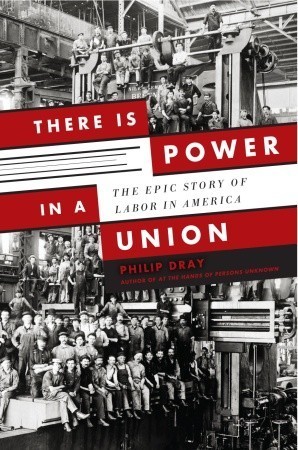
There Is Power in a Union: The Epic Story of Labor in America
Book Description
A battle rages not just for workers' rights, but for the very soul of America itself. "There Is Power in a Union" weaves together the heroic struggles, unbreakable bonds, and valiant victories of labor movements that shaped the nation from its gritty beginnings to the modern day. Philip Dray unveils the heart-stopping drama behind picket lines, strikes, and the relentless fight for dignity in the workplace. With each page, the stakes rise, revealing how the collective strength of the working class challenged the mighty and transformed society. Can unity truly overcome oppression, or will it falter in the face of adversity?
Quick Book Summary
"There Is Power in a Union" by Philip Dray provides a sweeping, dramatic account of the American labor movement and its central role in shaping the nation's political, social, and economic fabric. Dray takes readers from the early days of craft guilds and industrial uprisings through the landmark battles of the twentieth century, showcasing how ordinary men and women banded together in pursuit of dignity, fair wages, and justice. Through vivid stories of strikes, organizing campaigns, and confrontations with powerful business interests, the book highlights both the moral and practical triumphs and setbacks faced by the movement. Dray argues that labor’s fight is inseparable from the broader pursuit of democracy and equality in America, making it a story of enduring relevance.


Summary of Key Ideas
Table of Contents
The Formation of Labor Movements
In the earliest days of the republic, labor organizing was fraught with risk and resistance. Dray highlights how skilled craftsmen, journeymen, and later, industrial workers, began to sense their collective power. Through mutual aid societies and fledgling unions, they challenged exploitative conditions, setting the stage for future generations. These formative efforts were met with harsh opposition from employers and the government, which saw organized labor as a threat to economic control and social order. Early strikes and labor actions, such as the Great Railroad Strike of 1877, signaled the growing unrest and the potential for solidarity among workers across industries.
Struggles for Workers’ Rights and Dignity
The pursuit of workers’ rights was always a battle for dignity. Dray vividly portrays the personal sacrifices made by rank-and-file members during key struggles like the Haymarket Affair, the Pullman Strike, and the coal miner’s campaigns. The fight for an eight-hour workday, child labor restrictions, and job safety wasn’t just about pay, but about respect and humane treatment. Leaders such as Eugene Debs, Mother Jones, and A. Philip Randolph emerge as both visionaries and pragmatic organizers, inspiring movements while navigating shifting political strategies and public perception.
Conflicts with Industrial Power and Government
Industrialists and political leaders did not cede ground willingly. Dray details how corporations used private security forces, strikebreakers, and sometimes even military intervention to stifle union activity. The often-brutal suppression of strikes and the use of legal injunctions underscored the deep alignment between capital and state. Yet, these repressive tactics sometimes backfired, galvanizing public sympathy for workers and propelling reforms. The legal recognition of unions, particularly during the New Deal era, marked a significant victory, though it was hard-won and always subject to retrenchment.
Transformation Through Unity and Solidarity
As labor’s power grew, so did its ability to shape national policy. The CIO and AFL drove landmark legislation like the National Labor Relations Act, expanding rights and improving conditions for millions. Union solidarity facilitated broader social gains, from racial integration to social security. Nevertheless, the movement also faced internal challenges—corruption, racism, political divisions—that sometimes threatened its cohesion. Dray emphasizes how these struggles mirrored those of American democracy itself, with unions serving both as engines of progress and arenas of conflict.
The Evolving Challenges of the Modern Workforce
In the postwar era, technological change, globalization, and political shifts undermined union strength. Dray traces the decline in union membership and the rise of anti-labor sentiment, exploring how labor has adapted through new forms of activism and organizing in service industries and among marginalized workers. Despite setbacks, Dray concludes that the ideals at the heart of labor’s historic struggles—solidarity, justice, and shared prosperity—remain vital. The continuing quest for workers’ rights is, in Dray’s view, a test of the nation’s core democratic values and its potential for renewal.
Download This Summary
Get a free PDF of this summary instantly — no email required.