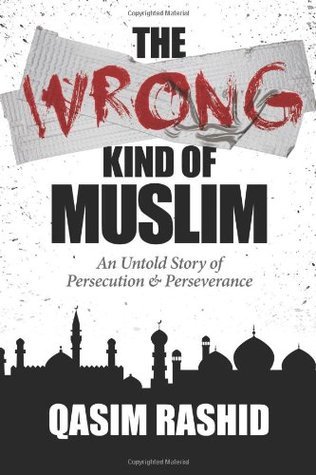
The Wrong Kind of Muslim: An Untold Story of Persecution & Perseverance
Book Description
What does it mean to be the “wrong” kind of Muslim in a world rife with division? In this heartrending exploration, Qasim Rashid unveils the harrowing realities faced by those who dare to challenge the status quo. Through personal triumphs and harrowing challenges, courageous voices echo the quest for acceptance and understanding. With vivid storytelling and unflinching honesty, this narrative illuminates the struggles of identity, faith, and resilience. Will these resilient souls find their place in a society that often seeks to silence them, or will their truth rise above the turmoil? Discover the power of perseverance amidst persecution.
Quick Book Summary
"The Wrong Kind of Muslim" by Qasim Rashid is a powerful nonfiction account chronicling the plight of Pakistan’s Ahmadiyya Muslim community, who are persecuted for their faith by both extremists and the state. Rashid weaves together personal tales of suffering, courage, and resilience, revealing the cost of religious intolerance in Pakistan. Through interviews, first-hand testimonies, and historical context, he exposes the legal and social machinery that renders Ahmadis outsiders within their own country. Despite facing violence, discrimination, and legal exclusion, Ahmadis maintain their beliefs and dignity, striving for acceptance in a society that brands them as heretics. Ultimately, Rashid's book is a call for change, compassion, and universal religious freedom, highlighting the perseverance of a community determined to survive despite overwhelming odds.



Summary of Key Ideas
Table of Contents
Religious Persecution and the Ahmadiyya Community
Rashid’s narrative lays bare the enduring suffering the Ahmadiyya Muslim community faces in Pakistan, where they are legally declared non-Muslims and subjected to widespread discrimination. Through vivid, often heart-wrenching stories, he documents the everyday realities of being stigmatized, ostracized, and attacked—sometimes fatally—simply for adhering to one’s faith tradition. The persecution is not only cultural but enshrined in law, criminalizing public expressions of Ahmadi faith and fostering a climate of fear and violence against them.
Identity, Faith, and Belonging
Amidst these dire conditions, the book explores how faith and identity intertwine. Ahmadis grapple with maintaining their religious convictions and personal dignity, often at great personal risk. Rashid illuminates how religious identity, rather than being just a private belief, becomes a deeply politicized and perilous marker within a society obsessed with religious conformity. He delves into the emotional toll this takes—how individuals balance their desire for community with the fear of reprisal.
The Power of Storytelling in Advocacy
Storytelling emerges as both a survival tool and an act of resistance. Rashid shares testimonies from victims and survivors, offering readers intimate glimpses into their daily lives and aspirations. These narratives personalize the struggle, transforming distant headlines into immediate, relatable human experiences. Through storytelling, the community finds strength, preserves its history, and advocates for global support and justice.
Legal and Societal Discrimination
Legal and institutional structures amplify the Ahmadis’ struggle. Rashid details the evolution of discriminatory laws, including constitutional amendments and blasphemy statutes, that strip Ahmadis of their religious liberties and civic rights. He underscores the complicity of authorities and the challenges of international advocacy, while highlighting rare acts of solidarity from those outside the community. This legal context makes clear that intolerance is not just a social problem, but one that is deliberately woven into the fabric of national law.
Resilience and the Struggle for Human Rights
Despite the enormity of the challenge, the book ends on a note of hope and resilience. Ahmadis, Rashid shows, have not only survived but found ways to persevere and advocate for change. Their stories become symbols of human dignity and the universal quest for justice, serving as a call to action for broader interfaith understanding and human rights protections worldwide. Rashid’s honest portrayal ultimately urges readers to confront religious prejudice wherever it occurs and to champion the voices of those fighting for their right to simply exist.
Download This Summary
Get a free PDF of this summary instantly — no email required.