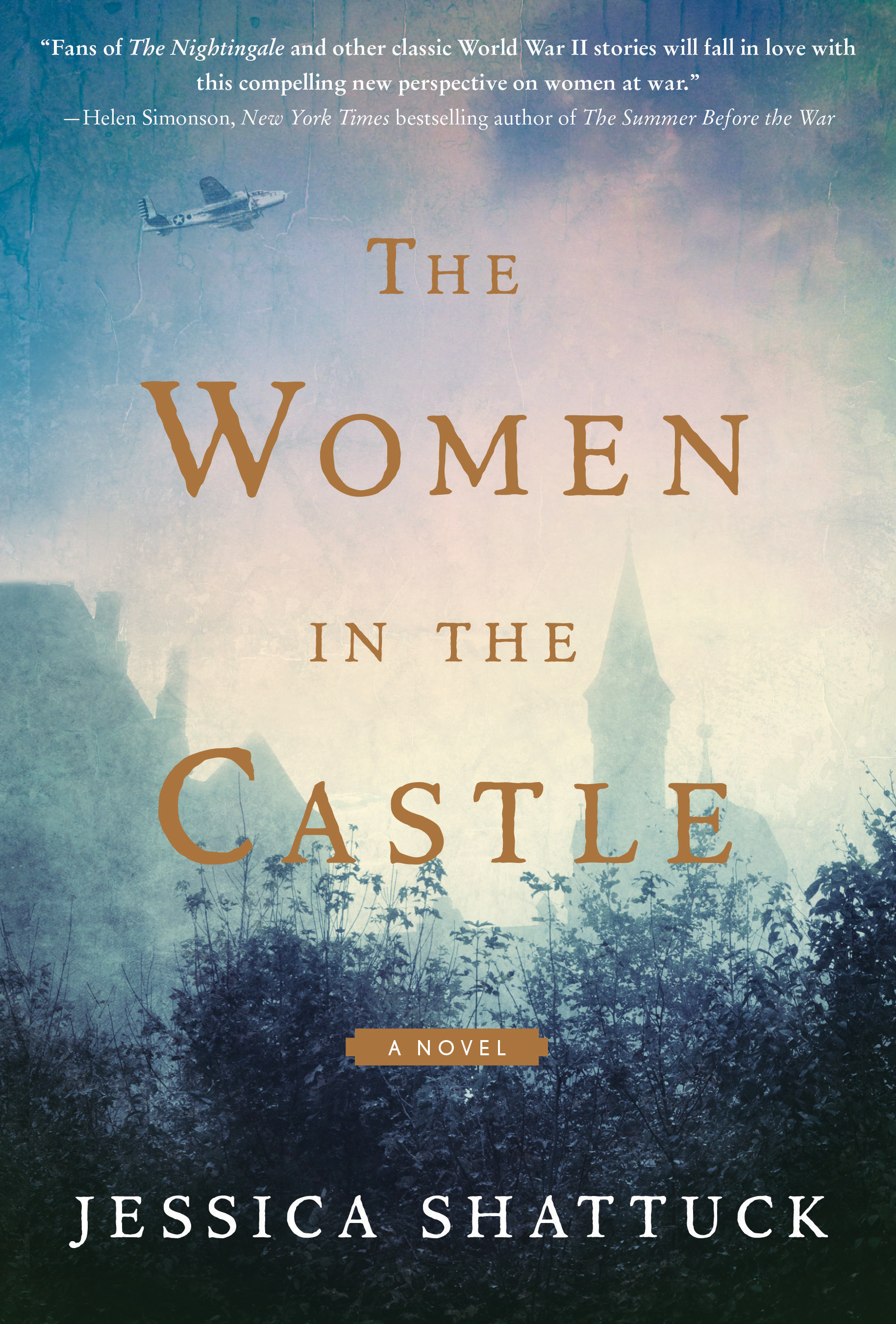
The Women in the Castle
Book Description
Amid the ruins of war-torn Germany, three women find their fates intertwined under the shadow of a crumbling castle. Driven by grief and the haunting remnants of love, they navigate treachery and betrayal in a world where loyalties shatter as easily as glass. The ghosts of their pasts echo through the chill of the war-torn winter, but secrets hold tight, creating an unbreakable bond among them. As they grapple with their choices and the dark legacy of their desires, can they forge a new path in a landscape filled with despair? What sacrifices will they make for survival, and what truths will be uncovered along the way?
Quick Book Summary
Set against the bleak backdrop of post-World War II Germany, "The Women in the Castle" by Jessica Shattuck follows three widows—Marianne, Benita, and Ania—whose lives intersect in a crumbling Bavarian castle. Brought together by tragedy, their fates are tied to the legacy of their husbands, men who were connected through the German resistance against Hitler. Each woman must confront the consequences of war, personal loss, and the difficult choices made in times of moral crisis. As secrets unravel and past betrayals come to light, they are forced to rely on one another, forging fragile bonds in a shattered world. In this atmosphere of ruin and reckoning, survival, forgiveness, and the search for redemption drive them toward uncertain futures.





Summary of Key Ideas
Table of Contents
The Complexity of Moral Choices in Wartime
The narrative centers on Marianne von Lingenfels, the determined widow of a resistance fighter executed for his role in the failed July 20 plot to assassinate Hitler. She assumes guardianship of the castle and fulfills her promise to protect the wives and children of her late husband’s compatriots. Marianne embodies moral conviction and responsibility, striving to make sense of the devastation left by the war and the atrocities committed by her countrymen. Her mission to create a sanctuary is complicated by her own grief and an unyielding belief in justice, setting the stage for internal and interpersonal conflict.
Female Solidarity and Friendship Amidst Ruins
Benita Fledermann, the beautiful but fragile wife of another conspirator, represents the toll trauma and disillusionment take on war survivors. She endures extreme hardship under Russian occupation, and her journey to the castle is marked by emotional scars and disorientation. Benita’s longing for escape and renewal between the ruins is juxtaposed with her inability to reconcile with her painful memories. Her evolving relationship with Marianne underscores differing approaches to healing and forgiveness, revealing the fractures that ideology and circumstance can cause even among allies.
Survival, Guilt, and Personal Sacrifice
Ania Grabarek, mysterious and resourceful, brings her two sons to Marianne’s sanctuary, fleeing her own troubled past. Ania is a pragmatic survivor who harbors secrets from wartime actions in the East, including the complex compromises required to stay alive. Her practical approach to motherhood and survival contrasts with Marianne’s moral rigidity and Benita’s delicate sensibilities. The gradual revelation of Ania’s history examines how guilt, denial, and the desire to protect loved ones can shape identity, emphasizing the ambiguity inherent in moral judgment after trauma.
The Haunting Power of Secrets and Betrayals
The castle itself serves both as a physical refuge and a symbolic space where the women’s stories converge and collide. Its battered walls echo with memories of prewar Germany, the hopes of resistance, and the despair of defeat. Within its confines, loyalties are tested, secrets unveiled, and betrayals exposed. The formation of their makeshift family mirrors Germany’s broader struggle to reconstruct itself from the rubble. The tension between remembering and forgetting, judgment and forgiveness, permeates their shared existence, shaping the course of their intertwined destinies.
The Reconstruction of Identity After Trauma
As time passes, the women are forced to confront the full weight of their choices and reckon with their complicity, resilience, and capacity for hope. The story spans several years, following them through the initial chaos of the postwar period and into the slow process of rebuilding. Moments of tenderness and trust are hard-won, challenged constantly by revelations and disappointments. Ultimately, their journey highlights the redemptive power of empathy, the necessity of facing uncomfortable truths, and the courage required to forge new lives from the fragments of the past.
Download This Summary
Get a free PDF of this summary instantly — no email required.