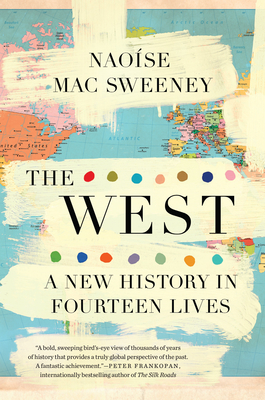
The West: A New History in Fourteen Lives
Book Description
Fourteen lives, each a heartbeat in the pulse of the West, unravel stories steeped in ambition, struggle, and transformation. From the fierce battles for freedom to the quiet revolutions in thought, this journey through time paints a vivid portrait of resilience and redefinition. Each character embodies the spirit of an era, capturing the triumphs and tragedies that shaped nations. As history collides with individual dreams, the true essence of the West emerges, complex and multifaceted. Who will rise, who will fall, and what do their legacies reveal about the world we live in today?
Quick Book Summary
The West: A New History in Fourteen Lives by Naoíse Mac Sweeney reimagines the story of Western civilization by focusing on fourteen individuals, each representing a defining moment or movement in history. Through their varied lives, Mac Sweeney illustrates the ebb and flow of power, the forging of identities, and the evolution of Western ideals—freedom, reason, and progress. The narrative intertwines personal dramas with sweeping historical changes, showing how visionaries, revolutionaries, thinkers, and ordinary people both shape and are shaped by their times. The book challenges the monolithic view of Western history, emphasizing the diversity, complexity, and interconnectedness at its heart. Readers are invited to reconsider the foundational stories of the West, questioning accepted myths and uncovering lessons that remain relevant to contemporary society.



Summary of Key Ideas
Table of Contents
Individual Agency in Shaping Civilization
Naoíse Mac Sweeney's work offers a fresh approach to world history by centering each chapter on an individual who stands at the crossroads of major cultural, intellectual, or political transformations. These biographies serve as windows into their respective times—ancient philosophers, medieval rulers, explorers, and modern activists—each personal narrative shedding light on pivotal events. The book frames history as a tapestry of lived experiences rather than a linear narrative, providing nuance and emotional resonance to great moments in the Western tradition.
The Complexity of Western Identity
One of the central themes is the agency of individuals in history. The featured lives demonstrate how leaders, thinkers, and ordinary people both reflect and catalyze broader changes. Mac Sweeney argues that while sweeping historical forces matter, personal choices, ambitions, and acts of courage or rebellion are equally influential. Each life represents a unique response to the challenges and opportunities of their era, illustrating the dynamic interplay between individual and collective destinies.
Conflict and Transformation Across Epochs
The book dives into the multifaceted nature of Western identity, challenging traditional stories of cultural superiority or linear progress. It explores how ideas originating in the "West" were often borrowed, adapted, or resisted, and how the boundaries of West and East have always been porous. Figures such as philosophers, scientists, and artists are portrayed not as isolated geniuses but as participants in a global exchange of ideas. This reframing continues into the modern era, as the West's influence is shown to be both shaped by and shaping of the wider world.
Reimagining Progress and Decline
Conflict and transformation thread through every narrative, highlighting the violence and resilience that underpin history. The lives depicted involve acts of conquest and resistance, spiritual awakenings, and ideological revolutions. Mac Sweeney emphasizes how each period's crises—wars, social upheaval, collapse and renewal—challenge old narratives and demand new forms of adaptation. These cycles of conflict and change redefine what it means to belong to the West and what values are put forward as universal.
The Interconnectedness of the East and West
Ultimately, the book invites readers to reconsider what the story of the West means today. By exposing the tangled roots, diverse actors, and misunderstood legacies behind familiar tales, Mac Sweeney calls for a broader, more inclusive sense of historical identity. The concluding reflections tie the lessons of the fourteen lives to contemporary debates, urging a deeper understanding of how inherited myths shape our politics, communities, and visions for the future.
Download This Summary
Get a free PDF of this summary instantly — no email required.