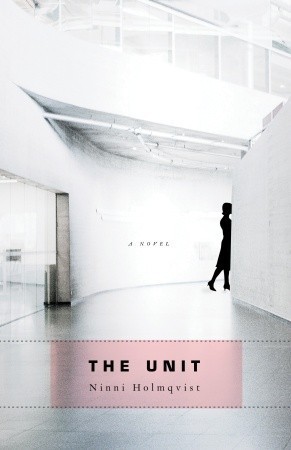
The Unit
Book Description
What if your worth was determined by your ability to contribute to society? In a chilling near-future world, those deemed “unproductive” are sent to The Unit, a facility that promises comfort and care but harbors dark secrets. Here, relationships are formed in the shadow of fear and desperation as residents grapple with their fates. Hope flickers in whispered conversations, while tension simmers beneath the surface. Bonds are tested, and morality is questioned in a society that will stop at nothing to maintain its vision of order. How far would you go to reclaim your freedom when the stakes are life itself?
Quick Book Summary
"The Unit" by Ninni Holmqvist is a thought-provoking dystopian novel set in a near-future Sweden, where social value is determined by an individual's usefulness to society. Dorrit Weger, a childless woman over fifty, is sent to the Unit—a lavish but isolating facility where those deemed expendable are used for medical experiments and organ donations. Within the Unit's walls, residents form deep, complex relationships while confronting ethical dilemmas and their own mortality. Quiet rebellion simmers as Dorrit navigates love, trust, and despair in an environment designed to be both comforting and controlling. The story challenges readers to reflect on the meaning of worth, the commodification of humans, and society's treatment of the vulnerable.




Summary of Key Ideas
Table of Contents
Societal Value and Utility
Dorrit Weger enters the Unit after reaching the government’s preset age for expendability: fifty years old and childless. Society has instituted a system in which single, childless men and women are deemed unproductive and are sent to specialized centers once they reach middle age. The Unit offers residents material comforts, artistic opportunities, and a sense of community, but this veneer of care masks its true purpose: to harvest participants as organ and tissue donors for more "valuable" citizens. Dorrit’s story anchors the narrative as she adjusts to this paradoxical sanctuary, coming to terms with her new status and starkly limited future.
Ethics of Sacrifice and Survival
In the Unit, deep bonds form between residents and a sense of camaraderie emerges despite their impending fates. Relationships, both platonic and romantic, become vital acts of resistance against a society intent on erasing individuality. Dorrit’s connection with fellow resident Johannes offers her hope and emotional renewal. Together, they experience fleeting moments of happiness amidst the omnipresent threat of the next donation call. This solidarity under duress highlights how the human need for connection persists even when hope is scant and the end appears inevitable.
Isolation Versus Connection
As the system’s grim mechanics become clear, ethical questions about sacrifice, consent, and the value of life permeate every interaction. The narrative delves into the morality of a society that prizes collective utility over individual humanity. Residents of the Unit volunteer for procedures, yet the environment and cultural pressure leave little genuine choice. Dorrit, like others, is forced to examine what it means to be useful and to what extent personal sacrifice can—or should—be expected in the name of the greater good. The story interrogates the consequences of a society that relentlessly quantifies worth and the psychological toll it inflicts.
The Illusion of Comfort and Security
The Unit’s environment is meticulously designed to lull its residents into compliance with comfort and amenities. However, this manufactured security is fragile. Surveillance is ever-present, and small acts of defiance or longing for the outside are quietly suppressed. The apparent safety is sharply contrasted with the characters’ growing awareness of their disposability. Dorrit’s experiences expose how the illusion of stability can serve as a mechanism of control, making true resistance all the more difficult—and all the more crucial.
Hope and Resistance
Ultimately, "The Unit" is a meditation on human dignity, resilience, and the possibility of defying dehumanizing systems. Dorrit’s choices and the intense relationships she forms symbolize hope and the enduring desire for meaning, even in the bleakest circumstances. The book concludes with an open-ended sense of resistance; even when possibilities for escape seem out of reach, the act of cherishing love, art, and community becomes a subtle yet profound form of rebellion against a world governed by cold pragmatism.
Download This Summary
Get a free PDF of this summary instantly — no email required.