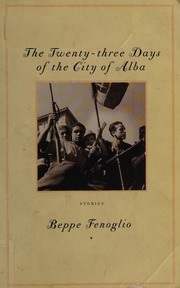
The Twenty-three Days of the City of Alba
Book Description
When the city of Alba erupts in chaos, twenty-three days can feel like a lifetime of betrayal, courage, and despair. As the resistance fights against occupying forces, friendships fracture and loyalties are tested, revealing the raw human spirit in a landscape of war. Torn between survival and betrayal, characters navigate a web of love and sacrifice, where every decision could mean life or death. Can hope endure in a world overshadowed by destruction, or will despair claim the hearts of the brave? Amidst the rubble, what will remain when the dust settles?
Quick Book Summary
Set against the turbulent backdrop of World War II in Italy, "The Twenty-three Days of the City of Alba" by Beppe Fenoglio chronicles the brief yet intense period when the partisans took control of the city of Alba. In these twenty-three days, Fenoglio explores the complexities of war, the constant threat of betrayal, and the fragility of alliances under pressure. Through a series of interconnected stories, the novel delves into the lives of soldiers, civilians, and rebels, painting a vivid picture of courage, fear, and day-to-day survival. The book captures both the extraordinary and mundane aspects of life during wartime, highlighting moments of heroism and the ordinary costs of conflict. Ultimately, it is a meditation on human resilience and the hope that endures amidst destruction.


Summary of Key Ideas
Table of Contents
The Moral Ambiguity of War
Beppe Fenoglio’s "The Twenty-three Days of the City of Alba" offers a focused, poignant exploration of a short but significant episode during Italy’s wartime resistance. The book centers on the titular 23 days when partisans liberate the city of Alba from fascist forces. Within this narrow timeframe, Fenoglio constructs a tapestry of personal and collective struggles, using a mix of narrative voices and stories to capture the myriad experiences of those caught in war. The city becomes a microcosm for the larger battle raging in Italy, acting as a stage for the tensions and uncertainties of everyday wartime life.
Fragility and Strength of Human Bonds
Fenoglio’s storytelling emphasizes the moral ambiguities faced by fighters and citizens alike. The partisans and civilians are forced to make difficult decisions, often with incomplete information and dire consequences. Betrayal is a constant threat, both from within and from collaborators outside their ranks. Trust is hard-won and frequently shattered, reflecting the complex ethical landscape of resistance. This tension highlights how, in war, clear lines between right and wrong are elusive, and ordinary people are compelled to reassess their loyalties and moral convictions repeatedly.
Survival Amid Chaos
Relationships play a crucial role throughout the narrative, showcasing both their strength and vulnerability amid uncertainty. The bonds of friendship, love, and camaraderie provide solace but are tested under the strain of conflict. Fenoglio illustrates how these relationships are subject to fracture—sometimes under the weight of fear, sometimes by the necessity of survival decisions. Moments of sacrifice underscore the cost of both attachment and loss, rendering the human dimension of war with striking sensitivity.
Endurance of Hope
Survival, both physical and emotional, becomes the governing principle for nearly every character. Daily existence is punctuated by hunger, danger, and the ever-present anxiety of reprisals. Fenoglio does not romanticize these struggles; instead, he conveys the exhaustion, improvisation, and small victories that make survival possible. Ordinary citizens and fighters alike are transformed by their circumstances, and the constant negotiation between courage and caution defines their actions.
The Cost of Betrayal
Amidst destruction and despair, the endurance of hope forms a final, vital current throughout the book. Even when the situation seems most dire and losses mount, characters demonstrate moments of humor, kindness, and perseverance. Fenoglio suggests that hope is not merely wishful thinking, but a potent force that helps sustain humanity during its darkest hours. When the occupation inevitably ends, and the dust settles on Alba, what remains is a testament to the resilience of the human spirit, shaped as much by suffering as by fleeting moments of triumph.
Download This Summary
Get a free PDF of this summary instantly — no email required.