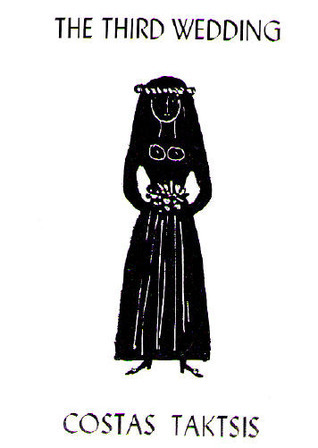
The Third Wedding
Book Description
Two hearts are bound by love and shattered by secrets in “The Third Wedding.” As the three-time bride navigates the treacherous waters of loyalty and betrayal, she finds herself entangled in a web of deception, where every guest harbors a hidden agenda. With a wedding on the horizon, the stakes soar as emotions collide, friendships fracture, and shocking truths demand to be unveiled. Each turn of the page reveals layers of passion, conflict, and heart-wrenching choices. Can love survive when the past threatens to consume the future? What happens when the ties that bind become the chains that break?
Quick Book Summary
"The Third Wedding" by Costas Taktsis is a masterful exploration of post-war Greek society, told through the candid voices of two women, Nina and Ekaterini. Bundled together by complex familial ties and turbulent personal histories, their lives unfold against a backdrop of political upheaval and shifting cultural norms. As Nina faces her third marriage, each woman's recollections expose both the beauty and the pain of love, revealing secrets, betrayals, and lingering traumas. Through their stories, the novel probes deep-rooted themes of survival, tradition, and the impact of social change on women's roles. Taktsis crafts an honest portrayal of everyday struggles, intergenerations, and personal resilience, presenting a poignant commentary on class, gender, and the elusive search for happiness.





Summary of Key Ideas
Table of Contents
Female Agency and Social Expectations
Costas Taktsis’s novel unravels through the alternating narrations of Nina and Ekaterini, two women intimately linked by marriage and hardship. Their storytelling moves through decades, illuminating the profound effect of their families’ histories and the scars left by Greece’s turbulent political landscape. As the women recount personal relationships, economic struggle, and moments of joy, the narrative texture deepens, reflecting the complexities and nuances of everyday Greek life. The structure itself underscores the importance of voice and memory in preserving and shaping identity.
Legacy of War and Trauma
Central to the novel is the exploration of female agency within a society heavily defined by patriarchal norms. Both protagonists navigate traditional roles imposed upon them—wives, mothers, daughters-in-law—while quietly resisting or subverting expectations. Nina’s choice to embark on a third marriage is viewed not only as a chance for personal happiness or escape but also as an act laden with judgment from those around her. The women’s experiences reveal how personal autonomy is often compromised by loyalty to family and the weight of social convention.
Family, Loyalty, and Betrayal
Taktsis anchors the narrative in the pervasive shadow of war. The characters’ lives bear witness to the aftermath of World War II and the Greek Civil War, events that heighten insecurity, mistrust, and trauma. These historical forces ripple into domestic spaces, shaping marriages, parenthood, and friendships. The lingering impact of conflict manifests in painful secrets and betrayals, as characters struggle to come to terms with their pasts and find a foothold in an uncertain future.
Changing Greek Society and Traditions
The dynamics of family, loyalty, and betrayal drive much of the emotional tension. Within both women’s intimate circles, affection is frequently at odds with self-interest and societal ambition. Wedding preparations, family gatherings, and casual conversations become battlegrounds where old wounds are reopened. The novel exposes how stubborn devotion to kin can both protect and destroy, and how betrayals—whether minor or devastating—are deeply woven into the social fabric, forcing individuals to reconsider the ties that bind them.
The Nature of Memory and Storytelling
Finally, "The Third Wedding" is a powerful meditation on memory and storytelling itself. The women’s narratives are marked by divergence and contradiction, demonstrating how recollection is shaped by pain, nostalgia, and the need to make sense of suffering. Their voices recover overlooked stories: of working-class women, of resilience in the face of adversity, and of Greece’s evolving identity. Taktsis’s layered, honest prose compels readers to confront uncomfortable truths, making the novel a vital portrait of twentieth-century Greece and the unyielding spirit of its people.
Download This Summary
Get a free PDF of this summary instantly — no email required.