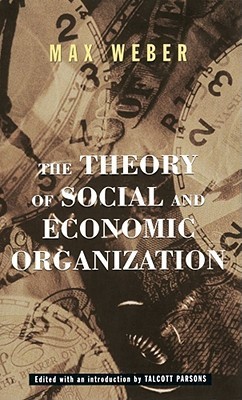
The Theory of Social and Economic Organization
Book Description
Power, authority, and the intricate dance of human relationships take center stage in "The Theory of Social and Economic Organization." Max Weber unravels the complex web of social structures that shape our lives and economies, exposing the hidden forces that govern organizations. Through riveting analysis, he confronts the stark realities of bureaucracy, legitimacy, and the clash between tradition and innovation. As the stakes rise and systems falter, the question looms: How do these forces mold our societies and influence the very fabric of our existence? Can understanding these dynamics lead to a brighter future, or are we forever bound by the chains of our past?
Quick Book Summary
Max Weber’s "The Theory of Social and Economic Organization" is a foundational work that examines the fundamental principles underlying power, authority, and structure within modern societies. Weber distinguishes different types of authority – traditional, charismatic, and legal-rational – and explores how these influence both individuals and institutions. Central to his analysis is the emergence and domination of bureaucracy as a system characterized by hierarchy, rules, and impersonal relationships. He argues that rationalization, the drive towards efficiency and predictability, shapes not only economic organizations but also social relations. Ultimately, Weber’s insights suggest that understanding these frameworks is essential to grasp the complexities of contemporary life, offering profound implications for politics, economics, and human freedom.




Summary of Key Ideas
Table of Contents
Types and Sources of Authority
Weber introduces his analysis by differentiating three pure types of authority: traditional, charismatic, and legal-rational. Traditional authority is rooted in established customs, charismatic authority derives from personal qualities of a leader, and legal-rational authority is based on formal rules and procedures. These types help explain the legitimacy of power across different societies and eras and provide a framework for understanding why people obey leaders and organizations.
The Nature and Impact of Bureaucracy
A central focus of Weber’s work is the rise of bureaucracy as the predominant organizational form in modern societies. Bureaucracy is characterized by a clear hierarchy, specialized roles, and a reliance on formalized rules. This structure promotes efficiency and predictability, enabling complex tasks and large-scale coordination. However, Weber cautions that the impersonal nature of bureaucracy can stifle individual creativity and create new forms of domination that replace old, more personal ones.
Rationalization and Modern Society
Weber delves into the process of rationalization—the move toward systematic, logical, and efficient ways of organizing economic, political, and social life. Rationalization leads to the standardization of procedures and increasing reliance on technical knowledge. While this brings about technological and administrative progress, it can also result in a loss of meaning, spontaneity, and personal connection, as individuals become "cogs" in ever-larger organizational machines.
Legitimacy and Social Order
The legitimacy of authority is a crucial concern. Weber explores how social order is maintained when people recognize certain forms of power as rightfully exercised. The perception of legitimacy depends on conformity to tradition, the charisma of leaders, or adherence to legal norms. When legitimacy falters, organizations and societies may encounter instability or crisis, provoking transformations in social structure and governance.
The Limits of Individual Agency
Finally, Weber addresses the tension between social structures and individual agency. While systems like bureaucracy and rationalization exert powerful constraints on people's actions, individuals are not entirely powerless. The potential for charismatic authority or the reform of bureaucratic systems offers space for innovation and change. Nonetheless, Weber expresses skepticism about the prospects for recovering individuality and freedom as rationalized structures become more entrenched.
Download This Summary
Get a free PDF of this summary instantly — no email required.