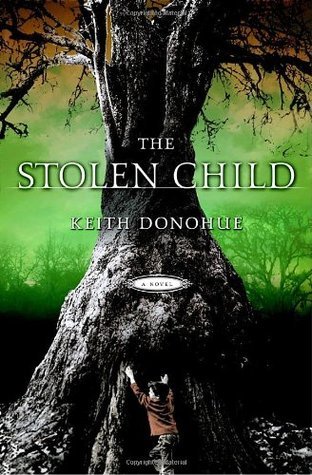
The Stolen Child
Book Description
A child is taken, but not in the way you think. When the innocent yet troubled Henry Day is lured away by a mysterious group of misfits, he becomes a pawn in a world where the boundaries between reality and myth blur. As he grapples with the enchanting allure of his captors, his family is plunged into a desperate search, racing against time to reclaim what was stolen. Secrets unravel and loyalties are tested in this haunting tale of belonging and loss. Will the child return to the life he left behind, or will he discover a new destiny among the shadows?
Quick Book Summary
The Stolen Child by Keith Donohue is a haunting exploration of identity, loss, and the enduring allure of myth. When Henry Day is abducted by changelings—elusive, ageless forest dwellers who steal children and replace them with one of their own—his world is upended. Henry becomes "Aniday," navigating an existence between fantasy and reality, while the changeling taking his place must adopt a new life among humans. The novel follows both perspectives, weaving their journeys as they grapple with memory, belonging, and the complex rituals that define what it means to be human. As secrets unravel, Donohue crafts a poignant meditation on the boundaries of family, the power of identity, and the possibility of redemption in a world where nothing is as it seems.


Summary of Key Ideas
Table of Contents
The Search for Identity and Self
The narrative of The Stolen Child shifts between Henry Day, a boy spirited away by changelings, and the changeling who assumes his identity. Henry, who becomes "Aniday" among the fairies, struggles to cling to fleeting memories of his former life. As Aniday, he is forced to abandon the comfort of his home and childhood, facing the bewildering customs and timeless routines of his new tribe. In the woods, he must come to terms with the shadowy existence the changelings lead—always on the outskirts, never truly alive nor dead, bound by ancient rituals that both protect and imprison them.
Belonging and Alienation
Meanwhile, the changeling who takes Henry's place, assuming his body and name, must learn to successfully masquerade as human. This new "Henry Day" confronts the complexities of human relationships, discovering art, ambition, and love. Yet he grapples with the latent guilt and anxiety that accompany his stolen life, haunted by hints of the person he replaced. He forges connections with Henry's family, always aware of the secret at the heart of his existence, torn between loyalty to his new life and longing for the freedom he lost.
Memory and the Passage of Time
Through these dual perspectives, the novel explores the painful search for identity and belonging. Each protagonist is alienated from the worlds they inhabit—Aniday among changelings, the new Henry among humans—forever outsiders, yearning for acceptance. The story delves into the persistence of memory, as both struggle with fading recollections and the inexorable march of time. Their choices and sacrifices grapple with the question: Is our identity shaped by memory, environment, or something deeper?
The Allure and Danger of Myth
Donohue uses the motif of changelings and fairies to unearth the dangers and seductions of myth. The woods are both a haven and a prison, and the magic that animates the changelings is as much a curse as it is escapism. The book situates folklore and legend within the modern world, blending magical realism with the palpable pain of growing up—and losing oneself in the process. The fantastical elements underscore the psychological transformation and alienation at the heart of each character’s journey.
Loss, Family, and Redemption
Ultimately, The Stolen Child centers on loss, family, and the fraught possibility of redemption. As secrets are revealed and both Henry and Aniday edge toward self-discovery, each must reckon with the damage their transformations have wrought. The story delivers a bittersweet meditation on growing up, the endurance of love, and what it means to find or reclaim oneself amid loss. Donohue's lyrical prose and shifting viewpoints immerse readers in a world of shadows, underscoring the fragile boundaries between belonging and estrangement.
Download This Summary
Get a free PDF of this summary instantly — no email required.