
The State of the Art
Book Description
Amidst the dazzling expanse of the Culture's advanced civilization, a group of bold minds embarks on a mission teetering on the edge of morality and ambition. As they grapple with art that transcends boundaries, relationships clash and deep secrets unravel, igniting a fierce battle between creation and destruction. Intrigue thickens as they confront enmities both old and new, leaving everyone questioning what sacrifice is worth making for true innovation. With the fate of worlds hanging in the balance, can they navigate the perilous waters of their own genius, or will their masterpiece become a weapon of their undoing?
Quick Book Summary
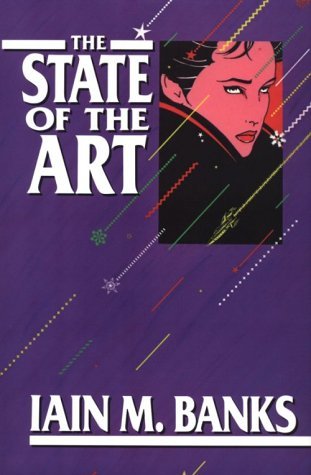
"The State of the Art" is a collection of science fiction stories by Iain M. Banks, set within his renowned Culture universe. The centerpiece, a novella of the same name, follows a Culture mission to Earth in the late twentieth century, where highly advanced post-scarcity humans observe, debate, and engage with our planet's tumultuous societies. The stories explore the intersection of morality, technology, and cultural identity, as the Culture's agents are confronted with the ethical dilemmas of interference versus observation. Throughout the collection, Banks weaves themes of creation, destruction, love, and the nature of intelligence, questioning what sacrifices are justified in pursuit of progress or art. The characters grapple with their own ambitions and dogmas, resulting in both personal and cosmic consequences.


Summary of Key Ideas
Table of Contents
Moral Ambiguity and Intervention
The Culture universe in "The State of the Art" embodies a post-scarcity utopia, where sentient machines and humans coexist in pursuit of knowledge, pleasure, and perfection. When a Culture ship discovers Earth, its crew divides over whether they should intervene in the planet’s development or remain neutral observers. This moral debate forms the backbone of the novella, challenging the very foundations of Culture’s non-interventionist philosophy and exposing deep uncertainties within its seemingly superior civilization.
The Tension Between Creation and Destruction
Personal relationships among the Culture agents serve as a microcosm for broader conflicts. Through characters like Diziet Sma and Linter, Banks explores the emotional costs of cultural superiority. Linter’s infatuation with Earth’s flawed humanity draws him away from the Culture, illustrating the persistent longing for meaning and connection, even in a society that has ostensibly solved material suffering. Sma’s own emotional journey reveals the friction between loyalty to her culture and empathy for those she observes.
Identity and Belonging in the Culture
Creation and destruction are intertwined throughout the stories, with Banks frequently reminding readers that progress often arrives hand-in-hand with upheaval. The presence of the Culture on Earth reflects both a temptation to create positive change and the danger of unleashing destructive forces. In their attempts to comprehend or influence art, politics, and technology, the Culture agents must face the uncomfortable possibility that their actions—however well-intentioned—may become weapons rather than gifts.
The Limits of Technology and Progress
The limitations of even the most advanced technology are critical to Banks’ narrative. The Minds, godlike AIs central to the Culture, wrestle with their own understanding and biases, sometimes making mistakes despite their vast intellects. The stories question the hubris of assuming that superior technology equates to greater wisdom, suggesting that the consequences of innovation can elude even those with the best of intentions.
The Consequences of Artistic and Social Innovation
Ultimately, the collection asks whether true progress requires risk and sacrifice, and whether such sacrifices are justified. The personal struggles of the agents mirror the grand themes of societal growth and artistic revolution. Banks leaves the reader pondering whether any civilization—no matter how enlightened—is ever truly immune to the consequences of meddling in the fates of others, or the chaos that can follow in the wake of bold new ideas.
Download This Summary
Get a free PDF of this summary instantly — no email required.