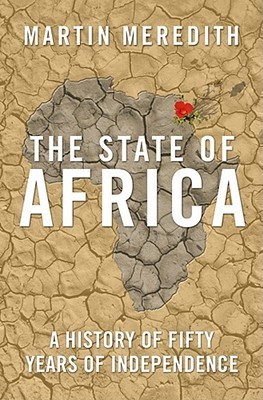
The State of Africa: A History of Fifty Years of Independence
Book Description
Fifty years of independence, yet Africa stands at a crossroads fraught with hope and despair. In "The State of Africa," Martin Meredith unveils a continent rich in history and potential, plagued by political strife, economic turmoil, and the scars of colonialism. From the vibrant streets of Accra to the war-torn regions of Sudan, stories of resilience and struggle collide with the stark realities of corruption and conflict. Each chapter reveals the dreams and disappointments of a people fighting for their future. Amidst this turbulence, will Africa rise to claim its destiny, or remain trapped in a cycle of chaos?
Quick Book Summary
"The State of Africa" by Martin Meredith presents a sweeping analysis of Africa’s post-independence trajectory, delving into the continent’s persistent challenges and enduring hopes. Spanning fifty years, the book explores how the legacy of colonial rule—arbitrary borders, extractive economies, and weak institutions—set the stage for political instability, coups, and civil wars. Meredith investigates the widespread corruption and mismanagement by leaders who often prioritized personal power over national progress, resulting in stagnant economies and frequent unrest. Yet, amidst the chaos, stories of resilience, cultural vibrancy, and reform movements reflect the continent’s potential for renewal. Meredith’s narrative captures the paradox of a land rich in resources and possibility, weighed down by historical and contemporary obstacles, but never without hope for a better future.



Summary of Key Ideas
Table of Contents
Legacies of Colonialism and Artificial Borders
Meredith opens with a vivid account of the decolonization wave that swept across Africa in the late 1950s and 1960s. The euphoria of independence was tempered by the reality of newly drawn borders—often arbitrary lines inherited from colonial mapmakers—that ignored ethnic and cultural divisions. These boundaries sowed seeds of future discord, creating fragile states ill-equipped to manage internal divisions. The continent’s wealth, largely controlled by colonial powers, left nascent African governments struggling to assert control and build functioning economies, setting the groundwork for decades of turmoil.
Political Leadership and the Cult of Personality
As newly independent nations took shape, charismatic leaders like Kwame Nkrumah, Jomo Kenyatta, and Mobutu Sese Seko became centers of both hope and controversy. Many leaders adopted authoritarian or one-party rule, often justified as necessary for national unity but ultimately resulting in the erosion of democracy. The book documents a parade of strongmen whose personal ambitions subverted national interests, leading to political repression and personality cults that derailed institutional development across the continent.
Corruption, Conflict, and Economic Challenges
Widespread corruption and patronage devastated economic prospects and destroyed public trust. Leaders enriched themselves while citizens endured poverty and underdevelopment. Economic mismanagement, state monopoly policies, and fluctuating commodity prices deepened crises, prompting international intervention and mounting debt. Meredith highlights how these issues, combined with ethnic tensions and resource competition, sparked persistent conflicts—most notably the Biafra War in Nigeria, civil wars in Angola and Mozambique, and genocide in Rwanda.
The Struggle for Democracy and Reform
Despite recurring setbacks, African societies resisted and adapted. Pro-democracy movements, grassroots activism, and opposition parties emerged, challenging entrenched regimes and demanding accountability. Some nations, like Ghana and Botswana, achieved relative stability and economic progress, demonstrating Africa’s capacity for renewal through reform. Meredith also explores regional efforts at economic integration and diplomacy as signs of a continent striving to overcome fragmentation and marginalization on the global stage.
Resilience, Identity, and Prospects for the Future
The book closes with a nuanced reflection on Africa’s dualities: poverty and potential, despair and determination. Meredith acknowledges the extraordinary resilience of African peoples amid adversity, highlighting vibrant cultures, innovation, and a youth-driven demand for change. While the scars of history remain evident, "The State of Africa" asserts that the continent’s future depends on leadership, visionary policies, and the courage to transcend old divisions, offering hope that Africa can yet claim a brighter destiny.
Download This Summary
Get a free PDF of this summary instantly — no email required.