
The Sleepwalkers
Book Description
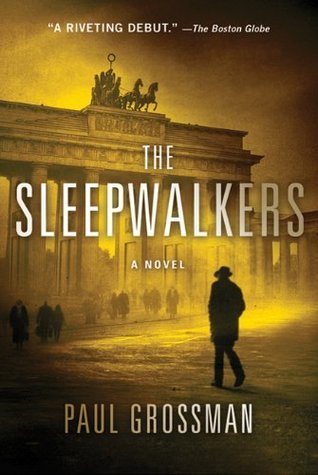
Amidst the unraveling fabric of pre-World War I Europe, three lives collide in a breathtaking exploration of fragile identities and shattered dreams. A young artist, a wealthy bourgeois, and a wandering intellectual navigate the dizzying descent into a world steeped in chaos and moral decay. As desire and despair intertwine, their connections deepen, revealing the dark undercurrents of societal unrest and personal despair. Tension mounts as each character is forced to confront their deepest fears and haunting truths. With every choice they make, the stakes escalate. Will they awaken from their slumber, or remain trapped forever in the twilight of their own making?
Quick Book Summary
"The Sleepwalkers" by Hermann Broch is a sweeping trilogy set during the decline of the German Empire, exploring the gradual disintegration of European values leading up to World War I. Through the intertwined lives of three protagonists—Pasenow, the aristocratic officer; Esch, the despondent clerk; and Huguenau, the opportunistic mercenary—Broch exposes the fragmentation of identity and the decay of social and moral certainties. Each character embodies different epochs and ethical outlooks, revealing how tradition, faith, and purpose deteriorate into chaos. Broch’s masterful narrative not only traces the characters’ inward spirals but also dissects the broader dissolution confronting their world. The novel stands as a profound meditation on alienation, modernity, and the haunting vulnerability of human convictions.



Summary of Key Ideas
Table of Contents
Disintegration of Values and Social Order
Broch’s story is structured as a trilogy, each part centered on a different protagonist, representing a distinct stratum of pre-war German society. Joachim von Pasenow, the protagonist of the first novel, is a Prussian officer striving to maintain dignity and tradition in a rapidly changing world. His struggle reveals the declining influence of old aristocratic values and the incapacity of traditional structures to adapt. Pasenow’s rigid adherence to outdated codes leaves him adrift, unable to reconcile love, duty, and personal fulfillment, symbolizing the broader loss of societal cohesion.
Crisis of Identity and Moral Ambiguity
The second protagonist, August Esch, is a lower-middle-class bookkeeper who finds himself emotionally stifled and spiritually lost. His journey highlights the collapse of religious and ethical frames that once provided stability. Esch’s restless search for purpose—oscillating between rebellion, resignation, and fleeting attachments—mirrors the existential anxiety ingrained in an era of uncertainty. His deep sense of alienation illustrates the personal toll of a world where previous belief systems no longer offer solace or guidance.
Alienation and the Modern Condition
In the trilogy’s final section, Huguenau emerges as a rootless mercenary whose amorality and cynicism embody the complete breakdown of values. Detached from all traditions and moral constraints, Huguenau navigates the chaos of wartime Europe driven solely by self-interest. His adaptability and opportunistic instincts make him eerily effective in a society without firm moorings. Through Huguenau, Broch exposes the dangers of a worldview divorced from ethical commitment, where survival supersedes conscience.
Intersection of Personal and Historical Collapse
Threaded through each narrative is Broch’s commentary on the erosion of meaning. The interconnected stories show how the transformation of the external world is mirrored by the inner disintegration of its inhabitants. The characters’ failures to awaken from their metaphorical sleepwalking parallel an entire civilization sleepwalking into catastrophe. Broch’s critique is both social and philosophical, probing the void left by abandoned traditions and the inability to forge new cohesive values amid relentless change.
Search for Meaning Amidst Chaos
Ultimately, "The Sleepwalkers" does not provide easy answers. Instead, it presents a haunting panorama of individuals and societies grasping for stability as the ground shifts beneath their feet. Broch’s experimental prose and evolving narrative style underscore the book’s central themes: the fragmentation of reality, the ambiguity of truth, and the desperate human need for purpose. The novel stands as a profound reflection on the perils of moral laxity and the existential uncertainties of the modern age.
Download This Summary
Get a free PDF of this summary instantly — no email required.