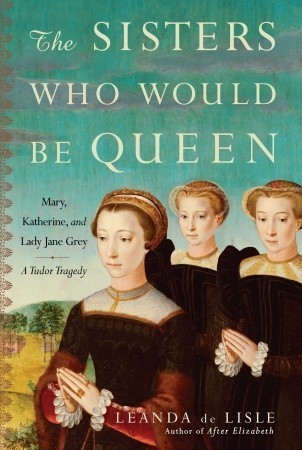
The Sisters Who Would Be Queen: Mary, Katherine, and Lady Jane Grey: A Tudor Tragedy
Book Description
Three sisters caught in the deadly game of Tudor power—love, ambition, and betrayal intertwine in a saga where the throne becomes a battlefield. As the rightful heirs to a crown stained with blood and treachery, Mary, Katherine, and Lady Jane Grey must navigate a treacherous landscape of shifting loyalties and family ties. Sacrifice becomes their only hope for survival, but at what cost? With fate hanging by a fragile thread and the specter of execution ever looming, who will rise, and who will fall in the unforgiving court of Henry VIII? Can loyalty survive when royalty is at stake?
Quick Book Summary
"The Sisters Who Would Be Queen" by Leanda de Lisle is a gripping biography that traces the intertwined lives of the Grey sisters—Lady Jane, Katherine, and Mary—against the perilous backdrop of the Tudor court. De Lisle revisits the conventional casting of Jane Grey as a tragic pawn, revealing the ambitious political maneuverings that thrust all three sisters into the heart of a succession crisis following Henry VIII’s death. As claimants to the English throne, their fortunes were inextricably tied to the ambitions and fears of those in power. De Lisle weaves historical depth with personal narrative, depicting the sisters not merely as victims, but as complex figures whose loyalty, resilience, and desires influenced their fates. Ultimately, their tragic stories illuminate the harsh realities of dynastic politics and the precariousness of royal blood in the Tudor era.


Summary of Key Ideas
Table of Contents
Ambition and Succession Politics
De Lisle opens by contextualizing the Grey sisters within the turbulent aftermath of Henry VIII’s reign. As the granddaughters of Henry VII, Jane, Katherine, and Mary Grey occupied precarious positions in the line of succession amid a country divided by religion and power struggles. Their fates were tightly bound to the ambitions of scheming courtiers and family members who viewed them as political assets.
The Dangers of Royal Blood
Lady Jane Grey’s brief reign as the nine-days queen is vividly recounted, highlighting not just her tragic youth and execution, but also the calculated politics of those who thrust her forward. Jane’s forced marriage, her Protestant zeal, and her reluctant acceptance of the crown underscore the complexities of agency and victimhood. The subsequent coup by Mary Tudor, which led to Jane’s arrest and execution, sets the pattern of peril faced by her sisters.
Sisterhood, Rivalry, and Survival
Katherine and Mary Grey’s lives were equally fraught, as each was viewed as both a threat and a tool by monarchs following Queen Mary I’s succession. Katherine’s secret marriage to Edward Seymour, and her subsequent imprisonment by Elizabeth I, reveal the punishing cost of dynastic ambition. Mary Grey, the youngest and least physically imposing, also suffered isolation and surveillance, illustrating the relentless scrutiny placed upon potential royal claimants.
Manipulation and Betrayal at Court
The book examines the intertwined loyalties, competitive relationships, and survival strategies of the sisters. While their shared blood tied them together, political circumstances and personal ambitions sometimes put them at odds. De Lisle explores how the sisters navigated alliances and enmities within the court, balancing personal affection with the unrelenting need for self-preservation.
Legacy and Historical Reinterpretation
De Lisle concludes by challenging traditional portrayals of the Grey sisters as mere pawns or tragic victims. Instead, she emphasizes their agency within the constraints of their era, suggesting their choices, ambitions, and resilience shaped not just their own destinies, but also the course of Tudor history. The tragic consequences of their entanglement with the crown continue to fascinate, offering new perspectives on one of England’s most perilous generations of royal women.
Download This Summary
Get a free PDF of this summary instantly — no email required.