
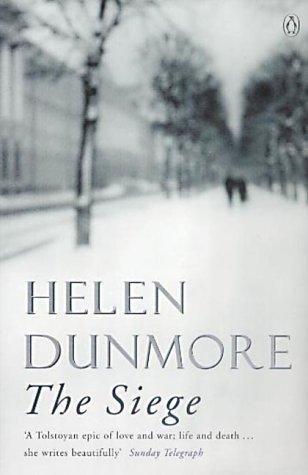
The Siege
Book Description
As shadows lengthen over a besieged city, the air is thick with fear and tension. A relentless army encircles the walls, cutting off hope and freedom, while inside, lives intertwine in a desperate struggle for survival. Love blossoms amidst the chaos; betrayal simmers beneath fragile alliances. Every choice is a gamble, every whisper a thread in the fabric of loyalty. Will bravery shine in the darkest of nights, or will despair swallow them whole? As the siege tightens, a haunting question emerges: who will emerge from the ashes, and at what cost?
Quick Book Summary
"The Siege" by Ismail Kadare is a sweeping historical novel that plunges the reader into the harrowing realities of a 15th-century Ottoman siege of an Albanian fortress. Through multiple perspectives—ranging from Ottoman commanders to Albanian defenders and those caught in between—Kadare elevates the brutality, fear, and psychological complexity of warfare. The narrative explores how hope and despair coexist within the besieged city, nurturing unexpected alliances, simmering betrayals, and moments of profound humanity. Far more than a traditional war story, "The Siege" becomes a meditation on the corrosive impact of prolonged conflict, the fragility of loyalty, and the unwavering human yearning for freedom. Kadare deftly weaves personal dramas into the larger tapestry of history, asking not only who survives, but what survival truly means.




Summary of Key Ideas
Table of Contents
The Psychological Toll of Prolonged Conflict
Kadare immerses the reader in the atmosphere of a fortified Albanian city encircled by Ottoman forces in the 15th century. Life inside the walls is tense and claustrophobic; civilians and soldiers alike live under the constant threat of death. Kadare’s narrative offers both a panoramic and intimate look at the daily routines and mounting anxieties of the besieged. At the same time, he shifts to the Ottoman camp, revealing the strategies, ambitions, and doubts that shape the invaders’ actions. This dual perspective blurs the lines between hero and enemy, victim and aggressor.
Power, Loyalty, and Betrayal Under Siege
War transforms those trapped within and outside the city’s walls. Kadare examines the psychological unraveling and moments of resilience that arise under extreme stress. Despair and fatigue are ever-present: soldiers question their leaders, townspeople fear both the approaching army and their own countrymen, and the leadership balances discipline with desperate hope. The siege becomes a crucible, exposing the characters’ deepest fears and fracturing their previous certainties. Even the possibility of escape or victory becomes tinged with doubt and dread.
Love and Humanity in Times of War
Amidst violence and deprivation, flashes of love and humanity persist. The longing for normalcy, comfort, and connection drives individuals into unexpected relationships, both romantic and platonic. Kadare interweaves stories of secret lovers and accidental confidants, showing how siege conditions both intensify affections and warp loyalties. These connections offer solace and serve as fragile bulwarks against the surrounding dehumanization, but they are also perilous; trust is easily broken, and betrayal is never far away.
The Clash of Civilizations and Cultures
At the heart of "The Siege" is a deep meditation on loyalty and betrayal. Leaders face decisions that blur the lines between self-preservation and honor, with shifting allegiances both within the city and among the besiegers. The narrative explores the consequences of betrayal—not just on an individual scale, but as factors that shape the city’s fate. Rumors and suspicions ripple through every rank, and Kadare continually asks what loyalty costs in the context of existential peril.
The siege is not merely a military event, but a collision of civilizations. Kadare’s depiction of Ottoman and Albanian cultures—through language, rituals, and expectations—enhances the texture of the narrative. Each side brings its own worldview, ambitions, and vulnerabilities. The clash does not produce neat resolutions, but instead leaves both victors and survivors marked by loss, doubt, and unresolved questions about the nature of power and identity. The novel ends with reflection on the enduring impact of conflict on individual and collective memory.
Download This Summary
Get a free PDF of this summary instantly — no email required.