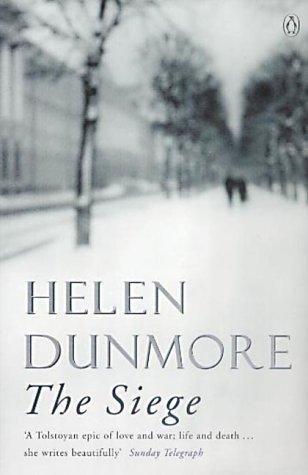
The Siege
Book Description
Snow falls softly over a city gripped by war, but inside a crumbling apartment, the real battle rages on. A fragile family seeks solace amidst the chaos, their bonds tested by hunger, fear, and the relentless threat of invasion. As the days turn bleak and shadows loom larger, love and loyalty are stretched to the breaking point. With every sound of shattering glass and distant gunfire, their choices become life-and-death decisions, spiraling toward an uncertain fate. Can hope survive in the darkest of times, or will despair conquer all?
Quick Book Summary
"The Siege" by Helen Dunmore is a haunting novel set during the harrowing winter of 1941 in Leningrad, as the city endures the brutal German siege. The story follows Anna Levin, her young brother Kolya, and their father Andrei, as they struggle to survive amidst cold, starvation, and constant fear. Through Anna’s eyes, the novel details the transformation of daily life: from hope and resilience to grim determination in the face of relentless deprivation. The bond between the small family, strengthened by love and vulnerability, becomes both their anchor and greatest test. As the outside world collapses, Dunmore poignantly explores whether kindness, artistry, and human connection can prevail against the isolating horrors of war.


Summary of Key Ideas
Table of Contents
Survival Against Starvation and Cold
Anna Levin lives on the outskirts of Leningrad with her father Andrei and five-year-old brother Kolya. As the city is surrounded by German troops in 1941, their world narrows to the desperate search for food, warmth, and safety. Dunmore immerses us in the daily rituals of survival—queueing for rations, scavenging for firewood, and improvising with whatever resources remain. Starvation and the long, bone-chilling winter suffocate the city, and neighbors, friends, and strangers are drawn closer by shared suffering or driven apart by frustration and fear.
Family Bonds and Personal Sacrifice
Family becomes the axis of Anna’s existence. She takes on the daunting role of caregiver, both mother and sister, striving to shield Kolya from hunger and anguish. Her father, a once-respected writer, grapples with despair, uncertain how to protect his family or inspire hope. Every calorie is counted; every crumb matters. Yet, amidst deprivation, moments of tenderness—a shared joke, a stolen apple, a lullaby—offer fleeting solace, revealing how love and duty entwine in crisis, sometimes serving as both balm and burden.
Endurance of Hope and Humanity
Despite pervasive despair, Anna and her family cling to hope. Memories of better days fuel them, as does the enduring promise that spring will return. The siege tests the limits of endurance: Anna’s friendship with the young soldier Andrei Mikhailovich introduces deep companionship and the possibility of romantic love, even as circumstances threaten to extinguish such feelings. The Levens’ growing resilience in the face of death and moral compromise spotlights Dunmore’s central question: can integrity and humanity survive the war’s deprivations?
Effects of War on Daily Life and Innocence
Dunmore masterfully captures the transformation of everyday existence under siege. Daylight becomes a luxury; ethical choices blur as hunger overrides scruples. The city’s familiar rhythms dissolve into patterns of loss—empty streets, missing friends, vanishing warmth. The innocence of childhood, especially for Kolya, is compromised, replaced by forced maturity and a haunting sense of vulnerability. The novel catalogs these cumulative losses but also traces acts of generosity, creativity, and courage that persist despite the omnipresent threat.
Power and Limitations of Art and Memory
Art, memory, and imagination provide both escape and confrontation. Anna’s father’s writing becomes an act of defiance against silence and erasure, while Anna’s recollections of her mother and old rituals supply spiritual nourishment. Through these personal and collective memories, Dunmore suggests that what survives in the darkest hours is not just the body but the stories, art, and relationships that shape meaning. "The Siege" mourns what is lost, celebrates what endures, and ultimately testifies to the tenacity of the human spirit.
Download This Summary
Get a free PDF of this summary instantly — no email required.