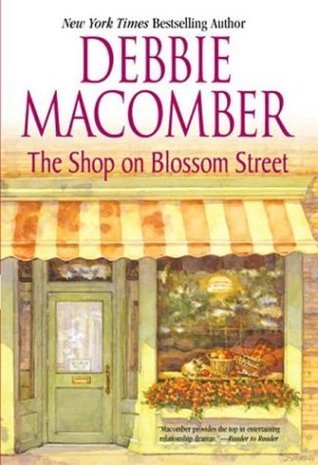
The Shop on Blossom Street
Book Description
In a quaint neighborhood where a charming yarn shop serves as the heart of the community, four women’s lives intertwine, each grappling with secrets that could unravel their fragile bonds. As they come together to create, heal, and confront their pasts, friendships blossom amidst challenges of love, loss, and the courage to embrace new beginnings. Each stitch tells a story, revealing the surprising threads that connect their fates. Amid laughter and tears, will these women find solace in each other, or will their fears tear them apart forever? Can the magic of community mend even the most broken hearts?
Quick Book Summary
"The Shop on Blossom Street" by Debbie Macomber centers on Lydia Hoffman, a cancer survivor who opens a yarn shop in Seattle, hoping to rebuild her life and foster a sense of belonging. She offers a beginner's knitting class, attracting three women, each facing their own challenges: Jacqueline, a dissatisfied wife coping with marital troubles; Carol, desperate to have a child despite health concerns; and Alix, struggling with a troubled past and uncertain future. As the women yarn and intertwine with each other's stories, they build unexpected friendships, heal old wounds, and discover resilience. Unified by the comforting ritual of knitting, they find hope, laughter, and the promise of new beginnings, demonstrating the transformative power of community and unconditional support.


Summary of Key Ideas
Table of Contents
Healing and Second Chances
Lydia Hoffman opens A Good Yarn on Seattle’s Blossom Street as a symbol of her fresh start after surviving cancer twice. Despite her own feelings of vulnerability and uncertainty about the future, she’s determined to build a new life and foster a sense of community. Her courage to face the unknown sets the foundation for the story, inviting others into a space of comfort and hope. Lydia’s knitting class becomes the focal point around which the plot unfolds, drawing together a disparate group of women who seek more than just knitting skills—they yearn for understanding, connection, and support.
The Transformative Power of Friendship
Jacqueline Donovan joins the class, navigating the pain of her crumbling marriage and difficult relationship with her pregnant daughter-in-law. As she tentatively learns to knit, she also begins to unravel her own prejudices and emotional barriers. Through her interactions with Lydia and the other women, she slowly reevaluates her priorities, grapples with forgiveness, and finds strength she didn’t know she had. Jacqueline’s journey highlights how change often begins with uncomfortable self-examination and the acceptance of vulnerability as the first step toward healing.
Facing Fears and Embracing Change
Carol Girard, another attendee, is undergoing fertility treatments with her husband but faces repeated disappointments and heartbreak. For Carol, knitting becomes not only a distraction from her anxiety but a metaphor for patience and hope. She finds empathy and understanding from Lydia and the others, allowing her to process her grief and fears. Carol’s experience underscores the importance of shared struggles and how support from others helps individuals endure and ultimately transform pain into renewed optimism and self-compassion.
Community and the Comfort of Routine
Alix Townsend, rebellious and outwardly tough, enters the knitting class as a requirement for her community service. Haunted by a troubled background and wary of closeness, she’s skeptical about forming bonds. Gradually, however, the gentle camaraderie in the shop encourages her to open up. Surprised by acceptance, Alix begins to reclaim her sense of self-worth and purpose. Her character arc demonstrates the restorative power of belonging and how even those with rocky pasts are capable of change and new beginnings when met with acceptance and trust.
Redemption and Forgiveness
Through their weekly gatherings, the four women come to rely on one another for support, laughter, and advice. The simple act of knitting becomes symbolic of life’s challenges: patience, persistence, and the ability to mend mistakes along the way. Over cups of tea and shared stories, old wounds start to heal and hope is rekindled. Their friendships anchor them through heartbreak, personal growth, and transformation. The yarn shop not only becomes a place where scarves and blankets are made but also where lives are rewoven, demonstrating that through compassion and community, even the most unraveled lives can be stitched back together.
Download This Summary
Get a free PDF of this summary instantly — no email required.