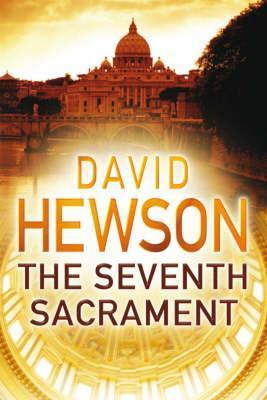
The Seventh Sacrament
Book Description
A chilling secret lurks beneath the glittering façade of Venice, where ancient rituals clash with modern terror. When a series of brutal murders echo the lost sacrificial rites of a forgotten cult, a tenacious detective finds himself drawn into a sinister web of deception and betrayal. As he races against time to uncover the truth, alliances shift, and no one is above suspicion—especially not those he thought he could trust. With each clue, the city’s dark past pulls tighter, threatening to swallow him whole. Will he unravel the mystery before he becomes the final sacrifice?
Quick Book Summary
In "The Seventh Sacrament," David Hewson plunges readers into a shadowy Venice, where tradition and secrecy intersect with brutal violence. Detective Nic Costa—confronted by a chilling sequence of murders—discovers their eerie resemblance to sacrificial rites of an ancient cult. Each victim, each clue, propels Costa deeper into the labyrinthine backstreets, revealing a city bound by centuries-old loyalties and hidden agendas. Navigating webs of deceit, Costa must decipher cryptic clues and confront betrayal, all while racing against a cunning antagonist who manipulates both past and present. As the investigation escalates, Costa faces mounting psychological and physical peril, ultimately forcing him to question whom he can trust—and whether he can prevent himself from becoming the final offering to a cult that refuses to fade into history.






Summary of Key Ideas
Table of Contents
Ancient Rituals and Modern Threats
The narrative opens with a grisly crime scene in Venice, a city where history and mystery intertwine. Detective Nic Costa is called to investigate the murder, which bears strange and disturbing similarities to ancient sacrificial rites once performed by a now-forgotten cult. The case quickly becomes more than routine police work as Costa, joined by his loyal but skeptical team, starts to notice a series of symbolic clues left with each victim, hinting at a larger, more ritualistic purpose behind the killings.
Trust, Betrayal, and Shifting Alliances
As the investigation deepens, Costa is forced to navigate Venice’s intricate social networks, where secrets are currency and everyone is a potential suspect. Long-standing family vendettas, political maneuvering, and the specter of the cult’s legacy blur the line between ally and enemy. Costa discovers that his own colleagues and confidantes may be hiding critical information or harboring personal agendas that could compromise the case and his safety.
The Allure and Danger of Venice
Hewson vividly portrays Venice as both beautiful and ominous. The city’s labyrinthine canals, decaying grandeur, and masked celebrations provide a haunting backdrop to the investigation’s escalating tension. Venice’s unique atmosphere amplifies the air of suspicion and unease, enhancing the sense that something ancient and malevolent lurks just beneath the surface, ready to strike as Costa and his team draw closer to the truth.
Psychological Strain of Investigation
Throughout his pursuit, Costa is pushed to his psychological limits. The deceptive calm of the Venetian façade gives way to mounting paranoia, uncertainty, and emotional fatigue. As each clue is uncovered, Costa is forced to confront his own biases, fears, and the very real danger of misplacing trust. The killer, ever elusive, skillfully manipulates both evidence and expectations, ensuring that Costa remains one uncertain step behind.
Confronting the Hidden Past
The climax converges with Costa confronting the true nature of Venice’s shadowy legacy. Through tenacious investigation and a willingness to challenge his own assumptions, he uncovers the cult’s remaining influence and the personal motivations driving the murders. In a final reckoning, he must make harrowing choices about trust and sacrifice to prevent himself from becoming a victim of the city’s insidious past, ultimately exposing the cost of preserving truths that others would kill to keep hidden.
Download This Summary
Get a free PDF of this summary instantly — no email required.