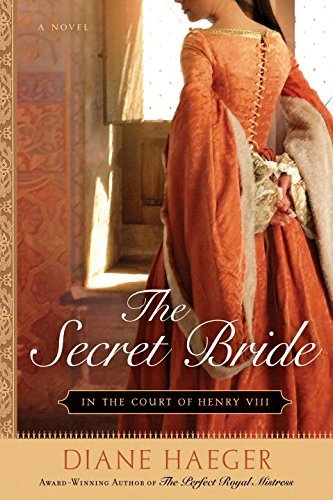
The Secret Bride
Book Description
In a world where love and duty collide, a secret wedding unfolds amid political intrigue and passion. As Elizabeth, a spirited noblewoman, grapples with her heart's desire for the charming yet dangerous Edward, fierce loyalties are tested and deep betrayals are woven into the fabric of court life. With every stolen moment, the stakes rise—one wrong move could ignite a scandal that severs all ties. Trust becomes a luxury, and whispers of rebellion swirl like a storm on the horizon. Will Elizabeth choose the man who makes her heart race or the future that could secure her family's name?
Quick Book Summary
"The Secret Bride" by Diane Haeger is a lush historical romance set in the turbulent Tudor era, weaving together love, duty, and political intrigue. The story revolves around Elizabeth, a passionate noblewoman who finds herself caught between familial obligations and her dangerous love for Edward, a man burdened by secrets and ambition. Their clandestine wedding, driven by desire and hope, becomes a focal point in a world where loyalty is uncertain and betrayal is ever-present. As courtly machinations intensify and the threat of exposure looms, Elizabeth and Edward must navigate a path riddled with peril, where every choice risks scandal and heartbreak. Ultimately, Elizabeth must decide whether to follow her heart or secure her family's future, knowing that her decision could have consequences far beyond her own happiness.


Summary of Key Ideas
Table of Contents
Love and Duty in the Tudor Court
Set against the vivid backdrop of Henry VIII’s England, "The Secret Bride" immerses the reader in a world of glittering courts and lurking danger. Elizabeth, intelligent and spirited, is thrust into a setting where women’s fates are too often determined by powerful men. Her attraction to Edward—a man equally elevated and shadowed by his proximity to the royal family—sparks a secret romance that is as intoxicating as it is perilous. The atmospheric detail transports the reader into the treacherous corridors of Tudor power, underscoring how personal desires are constantly at odds with public expectations.
The Cost of Secrecy and Betrayal
Elizabeth and Edward’s forbidden love is not just a private affair but a political act. Their secret marriage is both a rebellion against a life engineered by others and a daring risk in a time when royal favor can turn on a whisper. Diane Haeger deftly explores the consequences of their decisions, weaving in the omnipresent tension between longing and responsibility. The lovers’ clandestine meetings and coded letters thrum with urgency, while the weight of their choices is magnified by the ever-watchful eyes of the court and the threat of exposure.
Female Agency and Sacrifice
The novel emphasizes the sacrifices demanded of women in a patriarchal society. Elizabeth must constantly weigh her own happiness against her family's reputation and future. Her choices are fraught with danger, not just for herself and Edward, but also for those closest to her. Throughout, Haeger highlights Elizabeth’s agency—she is not merely a pawn, but a woman fighting for her own heart even as she recognizes the far-reaching implications of her rebellion. The price of love is steep, and Elizabeth’s internal struggle illuminates the era’s demands upon women.
The Perils of Court Intrigue and Power
Court intrigue weaves through every page, with rival factions and jealous courtiers ready to exploit any weakness. Haeger’s portrayal of political machination amplifies the risks faced by Elizabeth and Edward. The shifting alliances and subtle betrayals illustrate how the fate of individuals is inextricably linked to the whims of power. The sense of suspense grows as trust is eroded by fear, and the lovers are forced to question both friends and foes, underscoring the isolation and vulnerability that secrecy breeds.
The Tension Between Desire and Legacy
As the narrative builds toward its poignant climax, Elizabeth confronts a heart-wrenching choice: remain steadfast in her love or protect her family from ruin. The tension between passion and legacy becomes acute, echoing wider Tudor anxieties about lineage and stability. In the end, "The Secret Bride" is both a tale of personal sacrifice and a portrait of a fraught historical moment, where private happiness and public duty are always intertwined.
Download This Summary
Get a free PDF of this summary instantly — no email required.