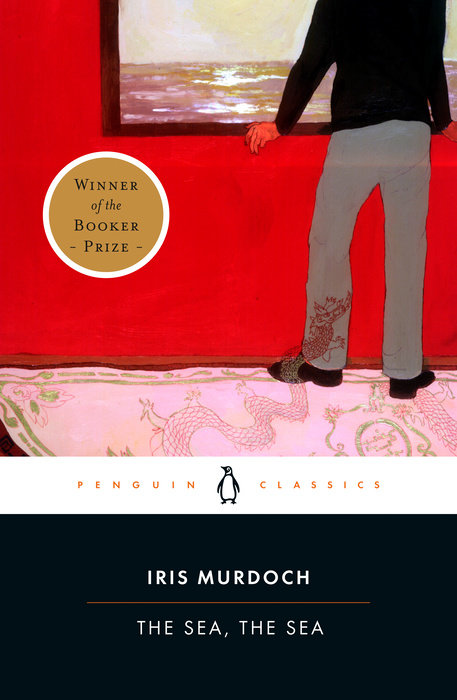
The Sea, the Sea
Book Description
A mysterious seaside retreat becomes the stage for a tempest of passion, obsession, and tangled alliances in Iris Murdoch's 'The Sea, the Sea.' As retired theater director Charles Arrowby seeks solitude, his plans unravel under the weight of past loves and haunting regrets. Shadows of lost relationships emerge, threatening to drown him in waves of guilt and desire. As Charles grapples with the echoes of his choices, the sea whispers secrets that could change everything. Will he find redemption, or will he be swallowed whole by his own tempestuous heart?
Quick Book Summary
"The Sea, the Sea" by Iris Murdoch explores the internal and external turmoil faced by Charles Arrowby, a retired theater director who retreats to a secluded seaside home seeking peace and introspection. His solitude is disturbed when he unexpectedly encounters Hartley, his first love, sparking a powerful obsession that drags him—and those around him—into a tangle of jealousy, regret, and delusion. As Charles confronts friends and rivals from his theatrical past, the boundaries between reality and fantasy blur. The ebb and flow of his memories and desires are mirrored by the unpredictable sea, which serves as both a symbol of the unconscious and a catalyst for revelation. Ultimately, Charles is forced to reckon with the consequences of his selfishness, the subjectivity of truth, and the inexorable passage of time.




Summary of Key Ideas
Table of Contents
Obsession and Self-Deception
Charles Arrowby, having left the turbulence of his theatrical career in London, retreats to a remote house by the sea, seeking tranquility and solitude. He intends to write his memoirs and reflect on his life, believing distance from society will grant him clarity. The sea becomes a constant presence, both soothing and menacing, mirroring the capricious currents of Charles's own psyche. His days are filled with ritual, self-examination, and an undercurrent of unease as memories resurface, challenging his sense of control.
Memory and the Past
The arrival of Hartley, Charles's first love from youth, throws him into an intense emotional spiral. Believing Hartley is trapped in an unhappy marriage, Charles's longing for rekindled romance quickly morphs into a destructive obsession. His attempts to possess and "rescue" her reveal his capacity for self-deception and manipulation. The pursuit of his idealized vision of the past blinds him to Hartley's reality, intensifying the moral ambiguity of his actions and his inability to distinguish fantasy from truth.
Redemption and the Limits of Change
As other characters from Charles's past arrive—colleagues, friends, and rivals—the fragile peace of his retreat disintegrates. Old wounds, jealousies, and rivalries resurface. Interpersonal dynamics reveal Charles's narcissism and the emotional damage he has inflicted on others over the years. The house by the sea becomes a microcosm of his life, echoing the patterns of control, desire, and disappointment that defined his career and relationships.
The Power of the Unconscious and the Sea
The sea serves both as a literal and metaphorical force throughout the novel. Its changeable moods reflect Charles's internal tempests and symbolize the unconscious mind with its hidden depths and dangers. He repeatedly finds himself drawn to the water, facing moments of peril and self-revelation. The sea's inexorability challenges Charles to confront truths he has long suppressed and exposes his vulnerability, isolation, and mortality.
Isolation and Human Connection
In the aftermath of his failed pursuit of Hartley and the emotional crises that unfold, Charles is forced to reckon with his limitations and the reality of those around him. While moments of humility and self-awareness arise, the novel questions the possibility of true redemption. Charles remains haunted by his past mistakes and the persistent, unpredictable influence of the sea—suggesting that while self-knowledge is possible, complete transformation may always elude him. The novel closes with a sense of ambiguous resolution, immersed in the eternal mystery of human longing and regret.
Download This Summary
Get a free PDF of this summary instantly — no email required.