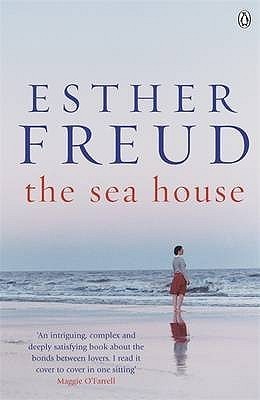
The Sea House
Book Description
A crumbling seaside house holds the secrets of a fading family legacy, beckoning a woman to confront her past. As she unravels the intricate tapestry of memory and desire, tensions rise between love and betrayal, truth and illusion. Each wave crashing against the shore echoes the unspoken fears and long-buried regrets that threaten to drown her. The haunting beauty of the landscape mirrors the storm brewing within her, drawing her ever closer to unsettling revelations. What truths lie hidden within the walls of the Sea House, and will they set her free or bind her forever?
Quick Book Summary
"The Sea House" by Esther Freud is a beautifully layered novel exploring the interplay between past and present as two women, separated by decades, become bound to an old house on the English coast. When Lily arrives to renovate the crumbling Sea House, she finds herself drawn into the story of the house’s former inhabitants—specifically, the enigmatic architect Klaus Lehmann and his wife, whose lives were shadowed by secrecy and longing. Haunted by her own emotional turmoil, Lily’s journey through the mansion unearthed buried memories and long-concealed secrets. The narrative alternates between historical and contemporary perspectives, gradually revealing how the echoes of love, betrayal, and loss reverberate across generations. As Lily’s connection to the past deepens, she is forced to confront the truths that have shaped and scarred both her and the house, and to discover whether she can find redemption and freedom in the process.





Summary of Key Ideas
Table of Contents
Unraveling Family Secrets
Lily, a pregnant young woman, arrives in a remote coastal village with her partner, Nick, to renovate the dilapidated Sea House. While Nick immerses himself in architectural restoration, Lily finds herself haunted by the house’s eerie atmosphere and compelled to research its shadowy history. Her own anxieties and relationship strains are heightened by the isolation and the sensed presence of untold stories embedded in the walls. The physical decay of the Sea House echoes the emotional fissures in Lily’s life, immersing the reader in a richly atmospheric setting reflective of her inner turmoil.
Interplay of Past and Present
The narrative weaves Lily’s contemporary story with fragments from the past, particularly focusing on the Lehmanns, the house's previous owners. Klaus Lehmann, a German-Jewish architect and refugee from the pre-WWII era, designs the house as both sanctuary and statement, carrying the weight of exile and hope. His relationship with his wife is fraught with tension, shaped by cultural dislocation, missed opportunities, and personal secrets. Their story, gradually reconstructed through dialogue, letters, and found objects, intersects thematically with Lily’s own search for meaning and belonging.
The Impact of Place on Identity
As Lily probes deeper, she encounters neighbors and older locals whose knowledge of the house and its history is fragmentary and colored by time. These interactions propel her on a personal quest to untangle the facts and fictions of the Sea House, forcing her to examine her own assumptions and values. The landscape—wind-swept, ever-changing, and merciless—intensifies her introspection, its rhythm and solitude compelling her toward self-reckoning.
Love, Betrayal, and Longing
Woven through the narrative are themes of love’s complexity, betrayal’s enduring sting, and the eternal quest for a sense of home. Both Lily and Klaus are portrayed as outsiders struggling for acceptance and clarity, their decisions shaped by fear and longing. Freud captures the ways in which desire both connects and divides, and how betrayal, whether real or perceived, can echo destructively across generations, casting long shadows over the present.
In the novel’s culmination, Lily uncovers long-buried truths about the Sea House and its former occupants, paralleling her own path toward self-discovery. The confrontation with uncomfortable realities—about love, loss, and forgiveness—proves cathartic. Ultimately, Lily’s journey becomes not only a renovation of an old building but also a reconstruction of her own identity. In this exploration, the Sea House stands as both witness and catalyst, its secrets forcing the living to reckon with the past before they can move freely into the future.
Download This Summary
Get a free PDF of this summary instantly — no email required.