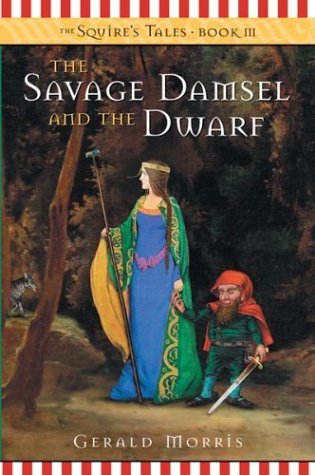
The Savage Damsel and the Dwarf
Book Description
When a fierce damsel with a knack for defiance crosses paths with a cunning dwarf on a quest for glory, the world around them ignites in chaos. With a wicked dragon looming, and unexpected alliances forming, loyalty and betrayal hang in the balance. As they navigate treacherous landscapes and face formidable foes, their unlikely partnership deepens, challenging everything they thought they knew about honor and bravery. As danger closes in, will they rise together to conquer the darkness, or will their differences tear them apart? The ultimate fight for destiny awaits—who will emerge victorious?
Quick Book Summary
"The Savage Damsel and the Dwarf" by Gerald Morris is a witty and adventurous retelling of an Arthurian legend, centering on Lady Lynet, an outspoken and resourceful young woman, and the enigmatic dwarf, Roger. Frustrated by the passive role women are often forced into, Lynet sets off to Camelot to seek help for her besieged family's castle and her sister Lyonors. Rejected by the vainglorious knights, she enlists the aid of Sir Gareth and, intriguingly, Roger the Dwarf, whose wisdom and courage belie his status. As the trio faces monsters, a dragon, and political intrigue, Lynet’s journey forces her to reconsider assumptions about heroism, love, and what it means to forge one's own destiny. The story weaves humor, magic, and unexpected romance with deep questions about loyalty, identity, and agency.





Summary of Key Ideas
Table of Contents
Redefining Heroism and Bravery
Lynet, the younger daughter of a noble family, bristles against traditional expectations in a world dominated by Arthurian chivalry. When her home is threatened and her sister Lyonors is besieged in their own castle by the villainous Red Knight, Lynet refuses to sit idly by. With a tightly wound temper and a sharp tongue, she rides to Camelot to find a worthy champion to save her sister. Despite her noble cause, Lynet is met with resistance and ridicule by the courtly knights, who are more interested in their own glory or dismiss her because she is a woman. This initial rebuff sets the tone for Lynet’s journey as a tale about defiance, resourcefulness, and re-thinking what it means to be heroic.
Challenging Gender Roles and Assumptions
Disheartened but undaunted, Lynet leaves Camelot and reluctantly accepts the help of the undervalued Sir Gareth, commonly known as Beaumains, and the dwarf Roger. Where Gareth’s gallantry contrasts sharply with Lynet’s blunt realism, Roger surprises her with his wisdom and cleverness, defying her preconceptions about who can be a true friend and ally. As they travel together, defeating knights and facing a host of magical threats—including a dangerous dragon—Lynet comes to rely on the loyalty and intelligence of her unlikely companions. Each challenge they face isn’t just a physical battle, but an emotional test that demands Lynet to trust in others and herself, learning humility and courage in equal measure.
Unlikely Alliances and Friendship
The journey is also one of self-discovery and identity. Lynet is forced to reflect on her motivations, relationship with her family, and her internalized beliefs about honor and nobility. In navigating treacherous landscapes—both literal and figurative—she gains insights into her own strengths and flaws. The camaraderie with Roger evolves from an uneasy partnership to a deep mutual respect as each recognizes the other's unique gifts. The dynamic group must learn to navigate shifting allegiances, as honor and betrayal both come from surprising quarters.
Tests of Loyalty and Betrayal
Morris uses humor and irony to question the very nature of romance and heroism. As Lynet’s affections begin to shift, she sees the sentimental stories of knights and ladies in a new light, and Roger emerges as a romantic lead who defies conventional standards of worthiness. Their interactions offer a refreshing commentary on what it means to love—valuing one another for wit, courage, and integrity rather than appearances. Subverting familiar fairytale tropes, the novel crafts a narrative where sincerity, partnership, and authenticity ultimately triumph.
The Journey to Self-Discovery
The climax brings all of these themes to the forefront. Facing betrayal and the dragon itself, Lynet and Roger must use all the wisdom and strength they've gained. Their victory is not just over their enemies but over the societal expectations that have constrained them. By the end, Lynet’s journey redefines what it means to be a heroine in her own right—not by fitting into someone else’s legend, but by forging her own. The result is a story both entertaining and deeply empowering, offering young readers a new take on classic Arthurian tales.
Download This Summary
Get a free PDF of this summary instantly — no email required.