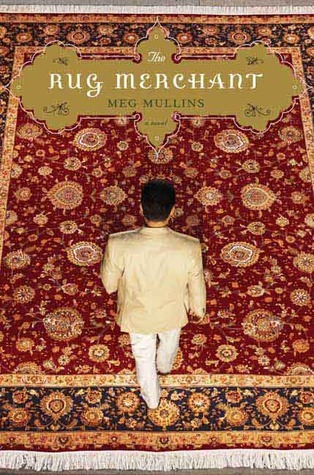
The Rug Merchant
Book Description
A vibrant tapestry of secrets and dreams unravels in a bustling bazaar, where the fabric of fate weaves together the lives of a grieving widow, a cunning rug merchant, and a clandestine world of desire. As threads of loyalty and betrayal intertwine, the stakes grow higher, revealing the undercurrents of love and loss that pulse beneath the surface. Each transaction brings a new layer of intrigue, leading to a breathtaking confrontation where everything hangs in the balance. Will the power of redemption mend the frayed edges of their lives, or will it all unravel into chaos?
Quick Book Summary
"The Rug Merchant" by Meg Mullins follows the poignant journey of Ushman, an Iranian immigrant and rug dealer in New York, whose ordered world crumbles when his wife leaves him. Alone in a foreign city, Ushman immerses himself in work until he finds an unlikely connection with Stella, a young grieving widow wrestling with her own heartache. Their relationship unfolds amidst the vibrant, secretive world of the rug trade—a world humming with unspoken desires, cultural tensions, and personal betrayals. As Ushman navigates love, loyalty, and loss, he confronts his inner isolation and his longing for belonging. Through evocative storytelling, Mullins explores how chance encounters and intricate relationships can upend and ultimately reshape a life poised between old traditions and new possibilities.



Summary of Key Ideas
Table of Contents
Immigration and Cultural Identity
Ushman, the protagonist, arrives in New York from Iran, bringing with him both heirloom carpets and deep-rooted values from his homeland. His daily life revolves around his modest rug shop, which acts as both his livelihood and refuge. The shop is not only a place of commerce but a liminal space where cultures blend, identities adapt, and the past quietly informs the present. Ushman’s devotion to routine masks his loneliness, particularly after his wife Rahimeh leaves him, an abandonment that leaves him emotionally adrift.
Grief and Emotional Healing
In the midst of his isolation, Ushman meets Stella, a young woman mourning the loss of her husband. Their initially transactional relationship grows more intimate as Ushman finds solace in her presence and she seeks comfort in his steadiness. The story captures the delicate, tentative nature of their connection as both characters struggle with their vulnerabilities. Their conversations and interactions serve as mutual explorations of grief, hope, and the transformative possibilities of new love.
Complexities of Love and Desire
The narrative’s tension deepens as both protagonists are pulled toward desires that defy their personal ethics and social expectations. Ushman’s loyalty to his absent wife conflicts with his feelings for Stella, while Stella is torn between memory and the hope for renewal. The clandestine aspects of their relationship mirror the secretive deals and unspoken rules of the rug trade. The novel skillfully weaves together external conflict and internal longing, showing how acts of betrayal and compromise can challenge or redefine personal boundaries.
Loyalty, Betrayal, and Redemption
The world of the bazaar serves as a powerful metaphor throughout the book, representing the complexity and richness of human connections. Negotiation, trust, and deception characterize dealings between shop owners and clients, just as those elements pervade the emotional interactions of the characters. The rugs themselves—each one unique, with its own patterns and history—become emblems of identity, memory, and the hopes of their makers and dealers.
The Bazaar as a Symbolic Landscape
As the story moves toward its resolution, Ushman and Stella confront choices that test their capacity for forgiveness and reinvention. The risk-laden pursuit of happiness, the pain of letting go, and the courage required to embrace change are explored through both quiet moments and dramatic confrontations. The novel culminates in an emotionally charged denouement, suggesting that redemption, though fragile and hard-won, is possible for those willing to stitch together the frayed threads of their lives.
Download This Summary
Get a free PDF of this summary instantly — no email required.