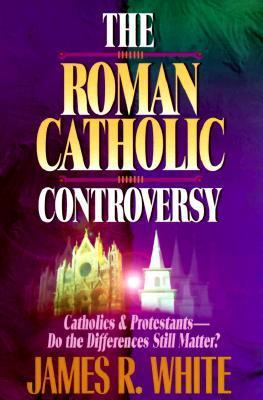
The Roman Catholic Controversy
Book Description
Faith collides with tradition in a gripping exploration of the Roman Catholic Church's teachings. James R. White plumbs the depths of doctrine, exposing the seismic shifts that challenge centuries of belief. With each chapter, the stakes rise as long-held convictions confront compelling biblical truths. This isn't just an intellectual exercise; it’s a heart-pounding journey through history, Scripture, and confounding mystery. Can faith stand firm against the weight of evidence? As the complexities unfold, one question looms larger than the rest: will truth prevail in the struggle for souls?
Quick Book Summary
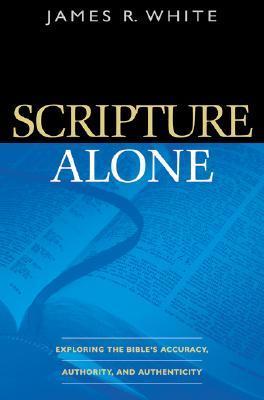
"The Roman Catholic Controversy" by James R. White offers a rigorous examination of the theological differences between Roman Catholicism and Protestant Christianity. White scrutinizes fundamental doctrines such as authority, justification, and tradition, presenting a case for the primacy of Scripture (sola scriptura) and biblical sufficiency. He delves into contentious subjects—including the papacy, the Eucharist, and Marian dogmas—challenging their scriptural foundation. White argues that the Catholic Church’s reliance on extra-biblical tradition and ecclesiastical authority often leads to doctrinal shifts unsupported by Scripture. Through historical context and scriptural analysis, he encourages readers to test traditions by the Word of God, questioning whether religious tradition or biblical truth should be the ultimate arbiter of faith. This book serves as an apologetic resource for Protestants and an invitation for respectful, meaningful dialogue with Catholics.

Summary of Key Ideas
Table of Contents
Authority: Scripture vs. Church Tradition
White begins by framing the core issue: how Christians determine theological truth. He contrasts the Protestant reliance on Scripture alone (sola scriptura) with the Catholic view that upholds both Scripture and unwritten tradition as authoritative. Detailing the historical development of church doctrine, White highlights how councils and papal pronouncements have, in his view, sometimes led the Catholic Church away from original biblical teachings. This introduction sets the stage for evaluating specific doctrines through the lens of scriptural sufficiency versus ecclesiastical tradition.
Justification by Faith Alone
A central focus of the book is the doctrine of justification. White affirms the Protestant stance that justification is by faith alone, grounded solely in the finished work of Christ and received through faith, not through works. He contrasts this with the Catholic view that sees justification as a lifelong process involving faith and the sacraments—especially baptism and the Eucharist. By analyzing key biblical passages, White presses the argument that the Catholic understanding conflates justification and sanctification, thus undermining assurance of salvation.
The Structure and Claims of the Papacy
Another major theme is the nature of the Church’s authority. White dissects claims regarding the papacy, apostolic succession, and infallibility. He questions the logic and biblical basis for the papal office and critiques doctrines defined by later Church councils, such as papal infallibility and the immaculate conception. Pointing to both Scripture and early church history, he asserts that these concepts arose centuries after the apostolic era, casting doubt on their legitimacy as universal Christian doctrine.
Sacraments and the Nature of Salvation
Sacraments and their salvific role form another battleground. White examines Catholic teachings on the sacraments, especially the Eucharist and confession, emphasizing the centrality given to these rituals within the Catholic system of salvation. He contends that such practices risk obscuring the completeness of the atonement accomplished by Christ. By comparing Catholic dogma with direct biblical teachings, White upholds the sufficiency of Christ’s sacrifice in the believer’s life.
Dialogue Across Theological Divides
Throughout the book, White calls for honest and charitable dialogue between Protestants and Catholics. While robustly critiquing Catholic doctrine, he maintains a tone of respect and urges clarity and humility. He recognizes that many sincere believers remain within the Catholic tradition, appealing to shared Christian convictions even as he urges reconsideration of controversial teachings. Ultimately, White’s work is an invitation to rigorously examine faith foundations and seek unity around biblical truth.
Download This Summary
Get a free PDF of this summary instantly — no email required.