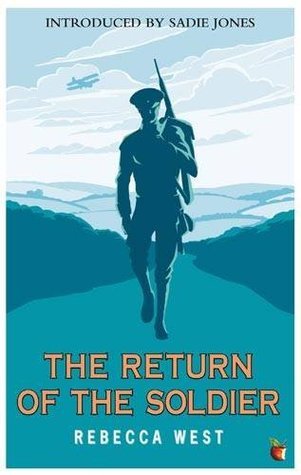
The Return of the Soldier
Book Description
A soldier returns from the trenches, but not as the man everyone remembers. Haunted by the shadows of war and burdened by an amnesia that erases a decade of love and loss, his arrival shatters the fragile peace of a rural English household. As emotions collide and pasts unravel, three women grapple with their own desires and heartbreaks, each fighting for a glimpse of the man they once knew. Friendship, betrayal, and the scars of conflict intertwine in this poignant exploration of memory and identity. Will love be enough to rescue a soul lost in the horrors of history?
Quick Book Summary
"The Return of the Soldier" by Rebecca West is a haunting exploration of the impact of war on individuals and families. Captain Chris Baldry returns from the trenches of World War I, suffering from shell-shock-induced amnesia that erases the last fifteen years of his life. He no longer remembers his wife, Kitty, instead believing he is still in love with his youthful sweetheart, Margaret. The story unfolds from the perspective of Jenny, Chris's cousin, who witnesses the emotional turmoil as the three women contend with conflicting emotions of loyalty, love, and loss. Through their struggles, the novel examines the fragility of memory, the devastation of war, and questions whether recovery truly means healing. West’s spare, elegant prose underscores the emotional dilemmas and the cost of confronting painful truths.




Summary of Key Ideas
Table of Contents
The Ravages of War on the Psyche and Family
The story centers on Chris Baldry’s sudden return to Baldry Court during World War I. His cousin, Jenny, narrates as the household—Jenny and Chris’s wife Kitty—receives Margaret Grey, a woman from a modest background who brings troubling news: Chris has lost his memory and only recalls his love for Margaret from before his marriage. This revelation destabilizes the household, particularly Kitty, who struggles to accept her husband’s emotional absence after years of marriage. Jenny, caught between her affection for both Chris and Kitty, becomes a compassionate witness to the unfolding crisis.
Memory, Identity, and the Passage of Time
West explores the ways war shatters lives not just on the battlefield, but at home. Chris’s shell shock is emblematic of the trauma suffered by many returning soldiers. His mental regression to a time before the war highlights the psychological cost of conflict. The pain of the women surrounding him—Kitty’s despair, Margaret’s guilt and love, and Jenny’s empathy—demonstrates the varied ways coping with loss and change can manifest. Their interactions reveal the deep yearning for stability and the irreparable cracks left in war’s wake.
Love, Loss, and Sacrifice
Memory and identity play central roles in the novel. Chris’s amnesia not only erases years from his life but also resurrects a part of his identity tied to innocence and pre-war happiness. The women are forced to confront different versions of Chris and, by extension, themselves. The novel raises profound questions about whether it is better to live in painful reality or blissful ignorance. Ultimately, the restoration of Chris’s memory, prompted by Margaret’s sacrificial act, leads to inevitable sorrow but also a step toward authenticity and healing.
Class and Social Divides in Wartime Britain
The theme of love and sacrifice intertwines with that of social class. Margaret, from a lower social standing, contrasts with the privileged Kitty. Her selfless devotion to Chris, even at the cost of her renewed happiness, is juxtaposed with Kitty’s possessive love. West subtly critiques class prejudices and underscores the shared humanity that transcends social divides. Margaret’s willingness to help Chris recover, knowing it will mean his emotional withdrawal from her, exemplifies the transformative, and sometimes destructive, power of love.
The Challenges of Healing and Moving On
As the novel reaches its climax, the price of healing becomes clear. Chris’s regained memory signifies a harsh return to post-war reality, stripping away the temporary sanctuary his amnesia provided. The women, left longing and changed, must navigate a world marked by absence and pain. In its brief, poignant narrative, "The Return of the Soldier" captures the era’s emotional landscape and the enduring scars left by conflict, presenting a moving meditation on memory, resilience, and the cost of facing the truth.
Download This Summary
Get a free PDF of this summary instantly — no email required.