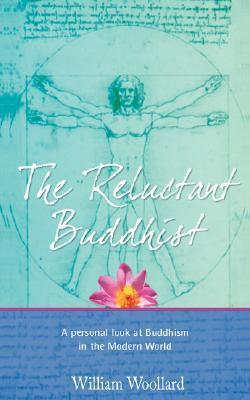
The Reluctant Buddhist
Book Description
Caught in the chaos of modern life, a harried executive stumbles into the serene world of Buddhism, where peace and purpose blur the lines of ambition and identity. As the teachings challenge his relentless pursuit of success, he grapples with inner demons, personal relationships, and the unsettling truth about the life he's built. Each lesson unveils deeper conflicts, igniting a battle between his ambitions and the path to enlightenment. Will he shed the weight of his past to embrace a more meaningful existence, or will he remain forever a prisoner of his own making? What if true freedom lies just beyond his comfort zone?
Quick Book Summary
"The Reluctant Buddhist" by William Woollard explores the compelling journey of a high-powered executive as he reluctantly ventures into Buddhism. Overwhelmed by the pressures of modern life and chasing conventional markers of success, the protagonist is introduced to Buddhist teachings and practices almost by accident. Initially skeptical, he begins to confront the sources of his anxiety, dissatisfaction, and sense of emptiness. Throughout his exploration, the teachings challenge deeply held beliefs around ambition, identity, and fulfillment. Through struggle, doubt, and gradual transformation, the story reveals how Buddhist principles provide not just solace, but a radically different way to engage with life. Woollard uses his personal narrative to examine universal dilemmas of purpose, meaning, and the quest for genuine happiness, making the book both a memoir and a practical exploration of Buddhist spirituality in the modern world.


Summary of Key Ideas
Table of Contents
Modern Success Versus Inner Fulfillment
The protagonist of "The Reluctant Buddhist" starts as a classic example of modern success: an executive driven by achievement, constantly balancing work pressures and personal life. While outwardly successful, he suffers from anxiety, stress, and an unshakeable feeling of emptiness. An unexpected introduction to Buddhist meetings exposes him to new perspectives on suffering and inner peace. The initial encounters are marked by skepticism and resistance, but curiosity draws him further into Buddhist teachings.
Facing the Self and Confronting Inner Demons
As he delves deeper, longstanding personal and professional anxieties come to the forefront. Buddhism challenges his relentless pursuit of accolades, inviting him instead to examine the roots of his restlessness and insecurity. Practices such as chanting and meditation, at first alien, become tools for self-reflection. Through these, he begins to face unresolved pain, regrets, and fears that shape his ambitious drive, realizing how his sense of identity is bound to external validation.
The Transformative Power of Buddhist Practice
The narrative weaves the process of transformation with candid admissions of struggle and doubt. The difficult confrontation with inner demons becomes both painful and liberating. Through Buddhist practice, he discovers the importance of presence, acceptance, and compassion not just for others, but also for himself. These insights slowly shift his definitions of purpose, success, and personal value. The book illustrates how ancient principles can apply to contemporary lives, even for the most skeptical newcomers.
Redefining Ambition and Identity
Interpersonal relationships, particularly with family and colleagues, act as mirrors reflecting his internal growth. As he lets go of rigid expectations and learns to listen deeply, he notices changes in how he connects with others. Enlightenment is revealed as an ongoing journey rather than a singular event. The text explores how embracing vulnerability and uncertainty can foster authentic relationships and healthier boundaries.
Embracing Uncertainty on the Path to Meaning
This memoir ultimately argues that freedom and fulfillment are found not in escaping discomfort, but in courageously meeting it with awareness. By integrating Buddhist values with daily life, the protagonist discovers a richer, more meaningful existence—one rooted in gratitude, humility, and genuine peace. Woollard’s story serves as an invitation: true transformation lies just beyond the familiar borders of our comfort zones, and even the most reluctant can find purpose through spiritual curiosity.
Download This Summary
Get a free PDF of this summary instantly — no email required.