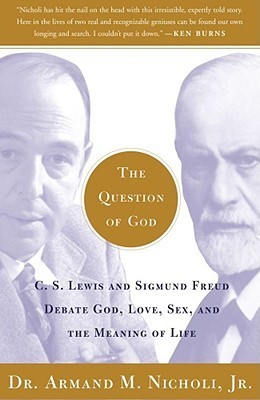
The Question of God: C.S. Lewis and Sigmund Freud Debate God, Love, Sex, and the Meaning of Life
Book Description
What if two of the 20th century's greatest minds collided in a battle of beliefs? "The Question of God" invites readers into an extraordinary intellectual duel between C.S. Lewis, the passionate defender of faith, and Sigmund Freud, the father of psychoanalysis, as they grapple with life’s most profound questions: the existence of God, the essence of love, the nature of desire, and the quest for meaning. Through their compelling arguments, this gripping narrative reveals the power of belief and doubt in shaping the human experience. Which will prevail: faith or reason? The ultimate answer may redefine everything.
Quick Book Summary
Armand M. Nicholi Jr.'s "The Question of God" presents an engrossing comparative analysis of two towering intellects from the 20th century: C.S. Lewis, the renowned Christian apologist, and Sigmund Freud, the pioneering atheist psychoanalyst. The book employs a unique format, setting up an imagined debate between Lewis and Freud, based on their writings and personal biographies. Through this dialogue, Nicholi navigates topics such as belief in God, morality, love, human suffering, sexuality, and the search for ultimate meaning. Rather than merely highlighting contrasts, the narrative illuminates the major philosophical and psychological underpinnings that shape both faith and skepticism, offering readers an opportunity to critically examine their own worldviews through the lens of these intellectual giants. The result is a captivating journey into the heart of humanity’s most enduring questions.




Summary of Key Ideas
Table of Contents
The Existence and Nature of God
Nicholi begins by exploring the contrasting upbringing and philosophical journeys of C.S. Lewis and Sigmund Freud. Freud, raised as a secular Jew in a scientific age, became the archetype of the modern skeptic, rooted in rationalism and empirical evidence. Lewis, meanwhile, began as an atheist but later moved towards Christianity, drawn by a longing for meaning and joy he felt atheism could not fulfill. This foundation sets the stage for a broader exploration of how backgrounds and experiences shape one’s worldview.
Faith and Rationality
The book presents belief in God as the most fundamental divide between Freud and Lewis. Freud saw religion as an illusion, a psychological crutch devised to satisfy emotional needs and cope with the harshness of reality. Lewis, in contrast, argued that the desire for God and questions about the divine are universal human experiences that point to a spiritual reality. Nicholi meticulously presents their arguments, allowing readers to weigh Freud’s skepticism against Lewis’s claims about the rational and existential basis for faith.
Human Suffering and the Search for Meaning
When addressing human suffering and the meaning of life, Freud believed suffering was an inescapable part of existence and that humans must develop coping mechanisms through reason and psychological insight. Lewis, conversely, interpreted suffering as a means to a deeper understanding and connection with God. He argued that pain, rather than disproving God’s existence, often leads individuals to seek answers beyond themselves, ultimately pointing towards transcendence and hope.
Love, Desire, and Morality
On topics of love, sex, and morality, Freud viewed human desire as rooted in biological drives, with morality shaped by culture and individual psychology. Lewis, on the other hand, distinguished between base desires and a higher, selfless love which, he argued, finds its true source in God. This contrast epitomizes the divide between a naturalistic and a theistic view of human nature, as Nicholi carefully juxtaposes Freud’s psychoanalytic interpretations with Lewis’s theological vision of love and purpose.
Death and the Hope for Immortality
The discussion culminates in their views on death and the afterlife. Freud regarded death as the definitive end, advocating for living meaningfully within a finite existence. Lewis found in the hope of immortality—not mere wishful thinking but a fundamental longing for eternity—evidence that this life is not all there is. Nicholi concludes by neither declaring a winner nor resolving the debate, but by encouraging readers to engage with these arguments, suggesting that the search for meaning is itself a vital part of the human experience.
Download This Summary
Get a free PDF of this summary instantly — no email required.