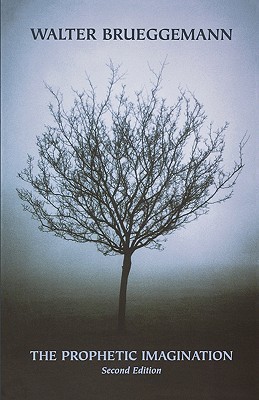
The Prophetic Imagination
Book Description
Imagine a world where hope battles despair, where imagination ignites the spirit of change. Walter Brueggemann's "The Prophetic Imagination" reveals how the voices of the prophets challenge us to envision a future drenched in justice and creativity. Drawing parallels between ancient texts and contemporary struggles, this compelling work uncovers the power of prophetic imagination to reshape societies and awaken the human spirit. As traditional narratives crumble, new possibilities emerge. Can we dare to dream a world transformed by justice and love?
Quick Book Summary
Walter Brueggemann’s “The Prophetic Imagination” is a powerful exploration of how prophetic voices in the Hebrew Bible challenge established social orders and offer a vision of radical transformation. Brueggemann contends that the prophets, especially figures like Moses and Jeremiah, employ imaginative language and actions to break through the despair and monotony of oppressive societies. Their imagination enables communities to grieve injustices, envision alternative realities, and act with hope towards a different future. Brueggemann bridges the ancient prophetic witness with contemporary challenges, urging readers to embrace a prophetic posture that resists conformity, critiques the dominant narrative, and awakens hope. At its core, the book is an invitation to recapture the subversive imagination of the prophets to foster justice, compassion, and meaningful social change in today’s world.




Summary of Key Ideas
Table of Contents
The Role of Prophetic Imagination in Social Change
Brueggemann begins by examining the central role the prophets played in ancient Israel, particularly their capacity to disrupt the dominant social and religious order through imaginative speech and action. He argues that prophets like Moses and Jeremiah did not merely condemn injustice but inspired the community to envision and strive for a social reality governed by justice, compassion, and freedom from oppression. The true power of prophecy, Brueggemann asserts, lies in its ability to energize people’s imaginations, enabling them to perceive alternatives to the status quo.
Critique of the Dominant Culture and Its Monotony
A critical focus of the book is the way in which dominant cultures cultivate a sense of inevitability and stasis. Brueggemann details how imperial systems, both ancient and modern, lull communities into complacency or despair, convincing them that the current order is unchangeable. The prophetic imagination, however, directly challenges this monotony, exposing its false inevitability and offering subversive visions where justice and mercy are possible. This confrontation with the dominant narrative is necessary for renewal and transformation.
Grief, Lamentation, and the Breaking of Denial
Brueggemann explores the necessity of grief and lamentation in breaking the denial that maintains oppressive systems. He observes that societies often suppress pain and conceal systemic injustice, fostering numbness. Prophets, however, give voice to this suppressed pain, encouraging communities to mourn their losses and confront hard truths. This act of communal lament becomes a gateway for hope, as it disrupts denial and enables collective movement toward change.
Envisioning New Possibilities Through Hope
The prophetic task is not only about criticism but about energizing hope and imagining anew. Brueggemann highlights the constructive side of prophetic imagination—the ability to articulate an alternative future and summon communities to embody it. By nurturing this hope, the prophets call people to actions grounded in faith, solidarity, and creative resistance. The book contends that new possibilities for society emerge only when people allow themselves to be captivated by daring visions of justice and peace.
The Challenge of Renewing Prophetic Imagination Today
In connecting ancient lessons to contemporary life, Brueggemann urges modern faith communities and individuals to recover their own prophetic imagination. He challenges readers to resist resignation and complicity, maintaining that genuine transformation arises when we engage the world with critical faith and creative vision. In a culture that prizes security and conformity, Brueggemann’s work is a clarion call to rediscover the power of prophetic voices, both past and present, to bring forth hope and justice in a world hungry for change.
Download This Summary
Get a free PDF of this summary instantly — no email required.