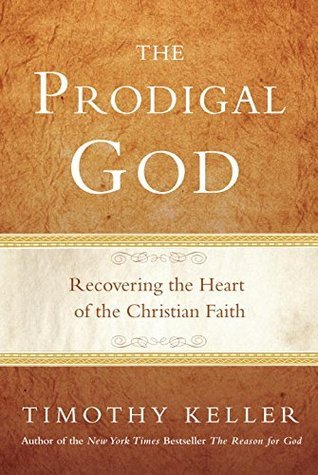
The Prodigal God: Recovering the Heart of the Christian Faith
Book Description
Two sons, a divided heart, and the radical love of a waiting father—this is the untold story at the heart of Christianity. Timothy J. Keller unearths the transformative power of grace, challenging the way faith is perceived in today's world. As he dives into the depths of the parable of the Prodigal Son, he reveals staggering truths about belonging, identity, and redemption. His insights ignite a profound quest for the essence of true Christianity, pulling at the strings of both the faithful and the skeptical. What if the journey to rediscovering divine love begins with confronting our own estrangement?
Quick Book Summary
"The Prodigal God" by Timothy J. Keller offers a thought-provoking exploration of Jesus' parable of the Prodigal Son, arguing that its deeper meaning has often been misunderstood. Keller reveals that the story is not just about the wayward younger son's rebellion, but equally about the prideful self-righteousness of the elder son. By examining both sons, Keller exposes different forms of alienation from God and the human tendency to seek identity apart from divine grace. The heart of Christianity, he asserts, is not religious moralism or irreligion, but a radical embrace of God’s expansive and costly love. Keller’s interpretation challenges readers to reconsider their relationship with God—rediscovering grace, acceptance, and repentance beyond conventional religious boundaries.





Summary of Key Ideas
Table of Contents
Two Lost Sons: Rebellion and Self-Righteousness
Timothy Keller begins by re-examining the familiar parable of the Prodigal Son, inviting readers to see it through a new lens. He argues that the story is not just about the reckless younger son, but also the elder brother, whose outward obedience masks an inward pride and entitlement. Both are lost—one through overt rebellion, the other through moral conformity—which illustrates how people can be alienated from God in vastly different ways. This dual lostness challenges readers’ assumptions about sin and righteousness.
Radical Redefinition of Sin and Lostness
Keller then develops his revolutionary insight that sin is more than just breaking rules; it is fundamentally about seeking fulfillment and identity apart from God. The younger son’s journey away from home represents explicit rebellion, while the elder son’s moral superiority represents a subtler, yet equally dangerous, estrangement. Keller uncovers how both attitudes keep people from experiencing the transformative power of grace, emphasizing that true lostness can exist even in religious devotion.
The True Nature of God’s Grace
A major theme of the book is the prodigal—or lavish—nature of God’s love. Keller asserts that the father in the parable demonstrates radical grace by welcoming the wayward son with open arms and inviting the resentful elder brother into the celebration. This powerful depiction of the father’s love upends expectations about who deserves acceptance and forgiveness, revealing that God’s love is both costly and unconditional. Keller encourages readers to contemplate the depth of such grace and its implications.
Redemption, Belonging, and Identity
Keller explores how God’s grace transforms identity, offering belonging and redemption to both rebellious and self-righteous individuals. He suggests that Christian faith is not about trying harder or being morally superior, but about recognizing one’s need for grace and accepting it. The redefinition of homecoming in the Christian context means acknowledging our own lostness and humbly receiving God’s invitation to the feast.
Implications for Faith and Christian Living
Finally, Keller addresses how this understanding should shape Christian living. Rather than fueling exclusion or self-righteousness, true Christianity calls believers to radical humility, generosity, and reconciliation. Keller urges the church to move beyond legalism and judgment, embodying the same welcoming spirit as the father. The book concludes by challenging readers to embrace and extend prodigal grace, offering hope and transformation for all who seek it.
Download This Summary
Get a free PDF of this summary instantly — no email required.