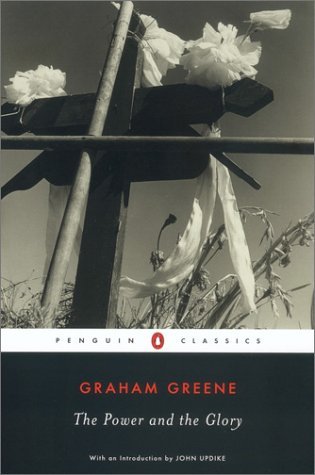
The Power and the Glory
Book Description
A weary priest on the run through a land hostile to faith navigates a treacherous landscape of betrayal and self-doubt. With every step, danger looms as he grapples with his own sins and the weight of redemption. As relentless pursuers close in, the lines between loyalty and betrayal blur, forcing him to confront the profound depths of human despair and hope. Each encounter ignites fresh dilemmas, challenging his convictions and haunting his soul. Can a broken spirit find salvation amidst relentless persecution and despair? The clock is ticking, and the struggle intensifies—is redemption even possible in a world that has turned its back?
Quick Book Summary
"The Power and the Glory" by Graham Greene is a profound exploration of sin, redemption, and the complexities of faith set amid the religious persecution of 1930s Mexico. The novel follows a nameless 'whisky priest'—flawed, haunted by guilt, and habitually drunk—who is the last remaining Catholic priest in a hostile landscape where Christianity is outlawed. Hunted relentlessly by police and facing betrayal at every turn, the priest’s journey exposes the depth of human despair and hope. Each encounter tests his convictions, revealing the fragile line between saintliness and sin. As he contemplates his purpose, the priest’s struggle illuminates themes of salvation, suffering, and the endurance of grace—even when cloaked in weakness and doubt. Ultimately, Greene crafts a narrative that questions whether true redemption is attainable in a world marked by relentless persecution and moral ambiguity.




Summary of Key Ideas
Table of Contents
Faith Under Persecution
Set in the Mexican state of Tabasco during the 1930s, the novel immerses readers in an oppressive environment where the government has outlawed Catholicism. Churches have been destroyed, and priests are either executed or forced into hiding. In this dangerous landscape, a solitary, unnamed priest remains on the run. His mere presence endangers anyone who aids him, and his every step is shadowed by the threat of betrayal and capture—and possibly death at the hands of the authorities.
Sin, Redemption, and Moral Ambiguity
The priest is a deeply flawed individual. Known as the whisky priest due to his alcoholism, he is tormented by his perceived failures: his inability to resist temptation, his fathering of a child, and his self-perceived inadequacy as a spiritual leader. Despite these shortcomings, he continues to minister in secret, offering sacraments and risking his life to uphold his calling. His journey is marked by existential despair as he questions his own worthiness and doubts whether his actions have value in a world devoid of grace.
Isolation and Human Connection
Greene juxtaposes the failing priest with his primary adversary, a zealous and atheistic lieutenant determined to eradicate religion from the state. While the lieutenant is committed to justice and order, his methods are ruthless, and his worldview rigid. The pursuit of the priest becomes a symbol of the state’s relentless efforts to suppress faith. Their interactions suggest that good and evil are not easily separated, and both men are depicted as prisoners of their own convictions.
Sacrifice and the Nature of Grace
Throughout the novel, the priest encounters a series of characters—some who support him out of faith or compassion, and others who betray him, motivated by fear or self-preservation. These relationships highlight the human need for connection, loyalty, and forgiveness, even in the bleakest circumstances. Moments of kindness and sacrificial love stand in stark contrast to acts of treachery, reinforcing Greene's meditation on the duality of human nature.
Betrayal and Loyalty
The climax arrives as the priest, confronted with ultimate betrayal, accepts his impending martyrdom with a sense of reconciled resignation. In his final moments, he finds a paradoxical peace. He realizes that grace can work even through flawed vessels and that redemption is possible, however imperfect. The novel thus ends on a note of spiritual ambiguity, leaving readers to ponder the nature of faith, the possibility of salvation, and the enduring power of grace amid suffering and imperfection.
Download This Summary
Get a free PDF of this summary instantly — no email required.