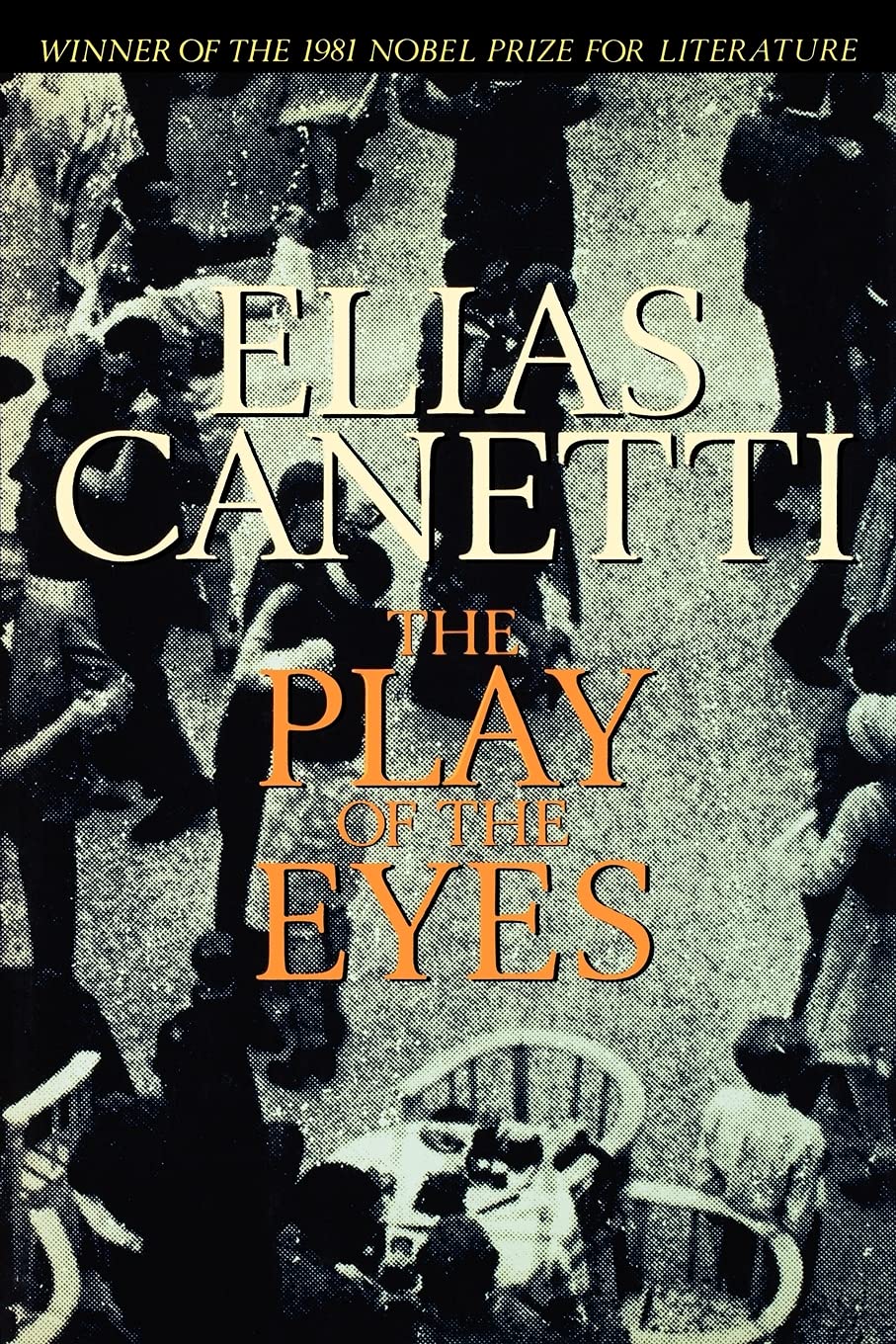
The Play of the Eyes
Book Description
When the eyes are not just tools of vision but gateways to the soul, a gripping exploration of human connection unfolds. In "The Play of the Eyes," characters are drawn into a web of suspicion, desire, and jealousy, their lives entwined by the piercing gaze of attraction and rivalry. As secrets simmer and emotions flare, every glance holds the weight of unspoken truths. Tensions escalate, turning ordinary moments into high-stakes encounters where betrayal lurks in the shadows. Can love triumph over the haunting specter of envy, or will it crumble under the weight of obsession?
Quick Book Summary
"The Play of the Eyes" by Elias Canetti is the culminating volume of his trilogy of memoirs, focusing on his years in Vienna between the World Wars. Canetti reflects on his intellectual awakening, his complex personal relationships, and the vibrant cultural life that shaped his identity as a writer. Through nuanced observations about those around him—lovers, rivals, mentors—Canetti explores how human connection is mediated through the gaze. The memoir dissects the tension underlying friendships and romantic entanglements, laying bare the vulnerabilities and desires that drive individuals together and apart. Against a backdrop of suspicion and longing, Canetti masterfully captures the emotional stakes inherent in every glance, revealing love and obsession’s intertwined nature.





Summary of Key Ideas
Table of Contents
The Transformative Power of Observation
Elias Canetti's memoir immerses readers in post-World War I Vienna, where the intellectual ferment is as intoxicating as it is perilous. Canetti’s formative experiences unfold within literary salons and among bohemian circles, where every encounter seems charged with meaning. The eyes—both his own and others’—play a key role, serving as both tools of perception and battlegrounds for emotional exchange. Through their gaze, characters reveal secrets, exert influence, or guard their vulnerabilities, creating a vibrant mosaic of human interaction shaped by suspicion and longing.
Intellectual and Artistic Awakening
The book’s heart lies in Canetti’s relationships: passionate, fraught, and illuminating. He offers penetrating portraits of influential figures in his life, including teachers, friends, and lovers. Each person is rendered not just as an individual, but as a constellation of gestures and glances that expose hidden motivations. The play of the eyes captures subtle cues—envy, admiration, possessiveness—that often determine the nature of connections and rivalries. Through these observations, Canetti reveals the emotional undercurrents that animate social life.
The Complexities of Human Relationships
Desire, jealousy, and betrayal thread through the narrative, exposing the fragile boundaries between love and competition. Canetti’s own ambitions and insecurities come into sharp relief as he recounts his entanglements. Moments of tenderness and conflict are heightened by the ever-present awareness of being observed by others. This interplay suggests that every act is a performance before an audience of interested—and sometimes adversarial—eyes. Genuine connections are rare islands, continually threatened by suspicion and the fear of abandonment.
Rivalry, Desire, and Jealousy
At a broader level, Canetti grapples with his evolving sense of self amid the upheaval of interwar Europe. The tumultuous political and cultural context shapes his intellectual pursuits and emotional responses. Artistic awakening is presented as both a personal quest and a response to collective anxiety. The book explores how turbulent times intensify personal passions, elevate artistic aspiration, and deepen existential doubts, drawing a direct line between the era’s instability and the interior lives of its denizens.
Identity Formation in a Turbulent Era
Ultimately, "The Play of the Eyes" is a meditation on identity formation: how the self is shaped in the crucible of observation, attraction, and rivalry. Memory itself becomes suspect, colored by the passions and hostilities that marked youth. Canetti’s memoir is not a simple chronicle, but a philosophical exploration of what it means to see and be seen, to love and to fear, in a world where no glance is innocent, and every encounter leaves an indelible mark.
Download This Summary
Get a free PDF of this summary instantly — no email required.