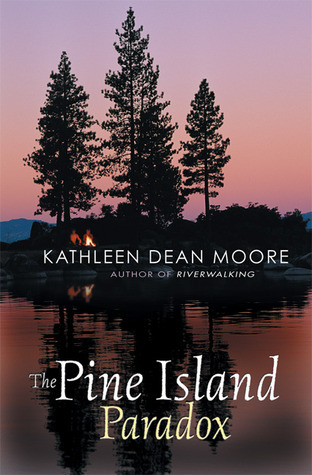
The Pine Island Paradox
Book Description
A remote island, cloaked in ancient pine trees, becomes the backdrop for a profound exploration of humanity’s connection to nature and the moral dilemmas that arise when the two collide. Amidst the breathtaking beauty of its landscapes, harsh truths emerge as characters grapple with loss, environmental destruction, and the haunting echoes of their choices. Tension simmers as their lives intertwine, revealing hidden desires and desperate hopes. Each decision carries weight, resonating deeply within the heart. As the island's fate hangs in the balance, can they confront their pasts and forge a sustainable future, or will they succumb to the inevitable shadows of their actions?
Quick Book Summary
"The Pine Island Paradox" by Kathleen Dean Moore is a reflective collection of essays that interweaves personal memoir, environmental philosophy, and nature writing. Moore draws inspiration from her experiences on a remote pine-covered island, using its serene and untamed landscapes as a metaphorical stage for examining humanity’s relationship with the natural world. Through evocative storytelling, she addresses themes of loss, hope, and ethical responsibility, grappling with the dilemmas we face when our desires intersect with the needs of the environment. Her musings prompt readers to consider the significance of place in shaping our identities, the consequences of our choices, and the possibility of forging a more harmonious and sustainable coexistence with the planet. The book ultimately serves as a heartfelt call for environmental stewardship and an exploration of what it means to belong.

Summary of Key Ideas
Table of Contents
The Interconnectedness of Humans and Nature
Moore’s narrative begins with vivid descriptions of life on Pine Island, evoking the sensory richness of the landscape and the solace it provides. The island, with its ancient pine trees and rugged terrain, becomes a powerful symbol of nature’s endurance and fragility. Through stories of seasonal rituals, family gatherings, and solitary reflection, Moore explores the emotional bonds that tie individuals to specific places, suggesting that connection to the land is foundational to understanding oneself.
The Role of Place in Identity and Belonging
The paradox at the heart of the book is the contradiction between humanity’s yearning to merge with the natural world and the realities of separation—whether through technology, culture, or physical barriers. Moore reflects on her own longing to inhabit the island fully, but acknowledges the limitations imposed by the demands of daily life. She examines how modern existence often estranges people from nature, and she meditates on the psychological and existential consequences of this separation.
Moral Responsibility and Environmental Choices
Central to Moore’s essays is the ethical dimension of living in harmony with the environment. She delves into the complexities of moral choice—how each decision, from tending to a fire to confronting larger issues like deforestation, carries consequences for the wider ecosystem. Moore grapples with questions of stewardship, responsibility, and the sometimes painful necessity of choosing restraint over immediate gratification, urging a more conscientious approach to environmental interaction.
Grieving Loss and Embracing Hope
As Moore and those around her encounter moments of loss—whether it be the death of loved ones, ecological destruction, or the passage of time—the essays take on a contemplative tone. Grief becomes intertwined with beauty and gratitude, as Moore suggests that mourning is an essential part of caring. From this place of vulnerability, she points readers toward hope, emphasizing resilience and the possibility of healing through intentional action and renewed commitment to the land.
Tension Between Preservation and Desire
The narrative closes by wrestling with the tension between the desire to preserve special places and the impulses that threaten them. Moore illustrates how personal and collective choices—rooted in love, desperation, or hope—shape the fate of places like Pine Island. She implores readers to recognize not only the impact of their actions, but also their potential to contribute to a future where humans and nature coexist in mutual respect, ultimately affirming the need for a deeper sense of belonging and ethical stewardship.
Download This Summary
Get a free PDF of this summary instantly — no email required.