
The Piano Man's Daughter
Book Description
Haunted by her father's enigmatic legacy, a daughter uncovers a world woven with music, longing, and dark secrets. As powerful truths surface and relationships fracture, she finds herself torn between loyalty to her father's past and her quest for identity. With each note played and every memory explored, the stakes rise in a gripping tale where love battles betrayal amidst the echoes of a haunting melody. Can she piece together the shattered fragments of her life, or will the weight of her father's hidden truths silence her forever? The haunting question remains: how far would you go to uncover the truth?
Quick Book Summary
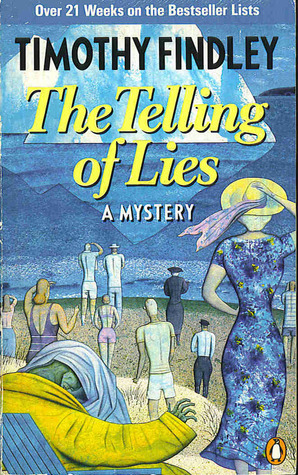
"The Piano Man's Daughter" by Timothy Findley weaves a lyrical, multi-generational saga centered on familial love, identity, and secrets. Narrated by Charlie Kilworth as he searches for the truth about his parentage, the novel pivots around Lily Kilworth, a fragile, musically-gifted woman whose life is shrouded in tragedy and madness. The effects of inherited trauma, the impact of mental illness, and the nuances of love resonate throughout the family's history. As Charlie unravels the threads of his mother's past and her connection to the mysterious piano man who haunts their legacy, he must wrestle with the possibility that understanding the past may come at the cost of peace in the present. Set in early twentieth-century Canada, Findley crafts a haunting meditation on what binds and separates generations, and the pursuit of truth within a fractured family.



Summary of Key Ideas
Table of Contents
Searching for Identity and Origins
Charlie Kilworth’s search for identity drives the narrative, shaped by recollections and the puzzle of his own origins. The story unfolds mostly through Charlie’s exploration of his mother Lily’s life, her relationships, and the truth of his parentage. He seeks clarity—who was his father, the mysterious piano man, and how did Lily’s emotional struggles shape the course of both their lives? This quest for self-knowledge becomes a means for Charlie to understand his own place in a lineage marked by love and tragedy.
The Burden and Beauty of Inheritance
Inheritance—both genetic and emotional—is a constant theme. The Kilworth family is haunted by the specter of madness, most vividly manifested in Lily. This legacy is portrayed as both curse and gift: Lily’s musical talent is as extraordinary as her psychological instability is devastating. Her episodes of brilliance and breakdown blur the line between genius and suffering, raising questions about the price of creativity and the burdens children inherit from their parents.
Music, Madness, and Memory
Music pervades the narrative, acting as both a consolation and a curse. The piano, in particular, connects generations, serving as a vessel of memory and longing. Through music, Lily accesses joy and pain, expressing feelings she cannot articulate. For Charlie, the echo of the piano man lingers, a haunting melody that underscores the family’s fractured history and ties him persistently to Lily’s complex world.
Love, Loss, and Family Bonds
Amidst secrets and sorrow, family bonds are tested and re-forged. Lily’s relationship with her own mother, Ede, is fraught with misunderstandings and protective instincts, while Charlie’s love for Lily is marked by both fierce loyalty and frustration. Each character’s choices reverberate through the generations, reflecting the delicate interplay between love, duty, and the desire for personal freedom. Betrayal and loyalty create a lasting tension that shapes each life’s trajectory.
Truth and the Power of Secrets
Ultimately, the revelation of secrets is both liberating and destructive. As Charlie uncovers the truth about his father and Lily’s tragic decline, he is forced to confront the enduring impact of hidden pain. Findley’s novel suggests that while some mysteries must be understood, the cost of such knowledge can be steep. In the end, the family’s salvation lies not in cleansing the past completely, but in acceptance, resilience, and forging meaning from even the darkest notes of their shared melody.
Download This Summary
Get a free PDF of this summary instantly — no email required.