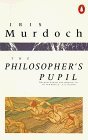
The Philosopher's Pupil
Book Description
Amidst the turmoil of love and ambition, a brilliant philosopher finds his life spiraling into chaos when he becomes entangled with his enigmatic pupil. As desire and jealousy intertwine, secrets unravel, threatening to expose hidden truths that could shatter lives. The clash of intellect and emotion ignites a fierce battle for identity and purpose, leaving those involved questioning their deepest values. With each revelation, the stakes rise higher, and the very essence of existence hangs in the balance. Can a search for meaning withstand the frailty of human connections, or will it lead to irrevocable destruction?
Quick Book Summary
"The Philosopher's Pupil" by Iris Murdoch is a richly layered novel set in the fictional English town of Ennistone, known for its unique hot springs. The story revolves around the return of George McCaffrey, previously embroiled in scandal, and the eminent philosopher John Robert Rozanov, who is drawn back into the lives of his former acquaintances. As George seeks the guidance and approval of his philosophical mentor Rozanov, personal relationships in Ennistone unravel amid jealousy, desire, and hidden motives. Murdoch explores the profound battles between intellect and emotion, the seductions of philosophy, and the fragile webs of human connection. Secrets gradually surface, challenging characters’ values and pushing them toward existential crises, as the interplay of love, ambition, and self-discovery leads to moments of both revelation and potential ruin.


Summary of Key Ideas
Table of Contents
The Complexities of Human Relationships
Set in the seemingly tranquil spa town of Ennistone, the story unfolds with the dramatic return of George McCaffrey, an embattled local with a scandalous past. George’s life is marked by frustration—his troubled marriage, career stagnation, and existential uncertainty set the stage for his reliance on John Robert Rozanov, his former philosophical mentor. Rozanov’s reappearance is itself unsettling for Ennistone, as he is a magnetic, mysterious figure whose intellectual allure disrupts the town’s social equilibrium. George’s interactions with Rozanov become a pivotal axis around which much of the novel’s chaos revolves.
The Tension Between Intellect and Emotion
At the heart of the narrative is the nuanced dynamic between intellect and emotion. George desperately seeks philosophical answers to his internal turmoil, but finds logic and reason insufficient to address the chaos of his feelings and relationships. Rozanov, intellectually imposing yet flawed, avoids simple solutions, causing George’s dependence to intensify. This tension mirrors the struggles of other characters, who grapple with their desires, jealousies, and moral failings. Murdoch’s portrayal of philosophical pursuit as both an inspiring and destabilizing force underscores the complexities of trying to live meaningfully within the web of human emotions.
The Search for Identity and Meaning
The novel intricately examines identity, as individuals question their roles within their families, communities, and the wider world. George and others find themselves caught between the need for personal authenticity and the expectations of those around them. This search for meaning often leads to self-destructive impulses, with characters acting out in ways that imperil their own happiness and that of others. The journey toward self-understanding is depicted as fraught, with no guarantees of comfort or clarity, only moments of painful growth and insight.
The Corrosive Effects of Secrets and Jealousy
Central to the story is the destructive power of secrecy and jealousy. Hidden affairs, ambition, and betrayal bubble beneath Ennistone’s peaceful surface, threatening to explode at any moment. Characters attempt to control or possess those they love, unaware of the damage wrought by their actions. As more secrets are revealed, the emotional stakes ratchet higher, threatening not just individual relationships but the communal fabric of the town itself. Murdoch shows how jealousy and concealment can work corrosively upon even the strongest of bonds.
Philosophy as a Guide and a Temptation
Throughout, philosophy serves as both a guiding light and a temptation. Rozanov’s teachings offer the characters glimpses of deeper meaning, yet also risk alienating them from simple joys and responsibilities. The novel suggests that while searching for truth is vital, an overreliance on ideology can distort both self-perception and relationships. In the end, the inhabitants of Ennistone must confront the limits of reason and the necessity of compassion, accepting that wisdom may require embracing both clarity and uncertainty.
Download This Summary
Get a free PDF of this summary instantly — no email required.