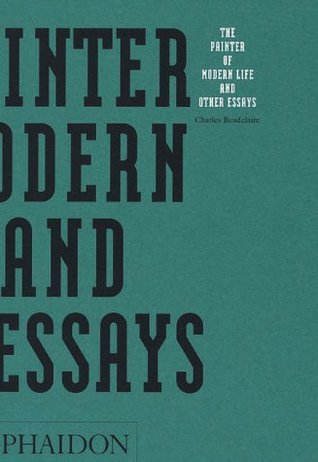
The Painter of Modern Life and Other Essays
Book Description
In a world brimming with the chaos of modernity, Charles Baudelaire captures the pulse of life through art and observation in 'The Painter of Modern Life and Other Essays.' Each essay serves as a vibrant snapshot, delving into the intricate relationship between beauty, urban existence, and the fleeting moments that define our reality. With a masterful eye, Baudelaire explores the role of the artist as both witness and creator, illuminating the shadows and brilliance of the city. Can art truly transform our perception of the everyday, or does it merely reflect the turbulent nature of society?
Quick Book Summary
In 'The Painter of Modern Life and Other Essays,' Charles Baudelaire investigates the intersection of art, beauty, and modern existence in nineteenth-century Paris. With a lyrical and analytic eye, Baudelaire elevates the artist—or flâneur—as a keen observer, someone who internalizes and interprets the fleeting energy of urban life. The essays reflect on the rapid changes brought about by modernity and the emergence of new aesthetic values. Baudelaire argues that true art captures both the transient and the eternal, bridging the ephemeral moments of contemporary life with timeless beauty. His thoughts challenge readers to reconsider the function of art and the responsibilities of artists in an ever-evolving world, making this collection a foundational text in art criticism and modern cultural thought.




Summary of Key Ideas
Table of Contents
The artist as observer and interpreter of modern life
Baudelaire opens the collection by framing the artist as an essential participant in the experience of modernity. He draws a portrait of the artist—using Constantin Guys as his exemplar—not as a recluse but as a passionate observer of contemporary life. This figure, also known as the flâneur, traverses and surveys the city, internalizing the chaos and novelty of urban society. By observing the shifting crowds and fleeting fashions, the artist both records and interprets the unique spirit of his era.
The ephemeral versus the eternal in art
Central to Baudelaire’s essays is the tension between the ephemeral and the eternal. He suggests that true beauty combines these two aspects: the fleeting sensations of the present moment and a timeless, universal core. Baudelaire defends the value of modern, everyday life as a legitimate and necessary subject for high art. Rather than seeking only classical forms, artists are urged to capture the transient atmosphere of their time, ensuring that art remains vital and relevant.
Urban beauty and the aesthetics of everyday life
Baudelaire’s city is alive with sensory experiences, filled with visual fireworks, crowds, and contrasts. He explores how urban development and social upheaval shape new ways of seeing and representing reality. Street scenes, fashionable women, and luminous evenings become subjects worthy of artistic reverence. Everyday details—once considered trivial—are now embraced for their unique aesthetic qualities. Through this lens, Baudelaire gives new dignity to the ordinary and highlights the transformative power of artistic perception.
Transformation and turmoil in modern society
Baudelaire also addresses the transformative and often disorienting effects of modernization on society. He observes that industrial progress and shifting social norms bring both opportunities and turmoil. Artists, in his view, are uniquely capable of navigating and articulating these changes. Their sensitivity captures the uncertainty and excitement of an era in flux, allowing viewers to engage with the complexities and ambiguities of their world. In this way, art becomes both a mirror and a map for navigating the modern condition.
The philosophical role of art and the challenge of modernity
Ultimately, Baudelaire questions the philosophical purpose of art: Is it to merely reflect social reality, or to reshape it? He argues that art has the power to challenge perceptions and evoke deeper understanding. The artist’s task is to reveal new forms of beauty within the turbulence of everyday existence, thus transcending mere documentation. In asserting this, Baudelaire establishes the groundwork for later theories of modernism, positioning the artist not only as a chronicler but also as a visionary who shapes the soul of his age.
Download This Summary
Get a free PDF of this summary instantly — no email required.