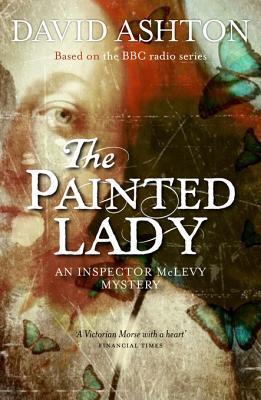
The Painted Lady
Book Description
A missing woman's last known whereabouts lead to a sinister web of secrets, betrayals, and untold truths in the shadowy underbelly of 19th-century Edinburgh. As Detective Inspector McLevy races against time, he uncovers a world painted in lies, where desire and desperation intertwine with danger. Each clue draws him deeper into a vortex of intrigue, testing loyalties and uncovering a chilling connection to a notorious figure. Tensions rise as the line between hunter and hunted blurs, forcing McLevy to confront his own demons. Will he unravel the mystery before the final stroke of midnight, or will the painted lady fade into darkness forever?
Quick Book Summary
Set against the evocative backdrop of 19th-century Edinburgh, David Ashton’s "The Painted Lady" plunges Detective Inspector McLevy into the labyrinthine world of the city’s underbelly. When a woman vanishes mysteriously, her last known appearance hints at a tangled nest of secrets, betrayals, and long-buried truths. As McLevy follows the trail, he is forced to navigate a society split by wealth, power, and vice, uncovering a dangerous connection to a notorious criminal. Every clue McLevy uncovers brings him closer to unexpected revelations, but also into increasing peril, as he wrestles with his own personal demons and the consequences of his choices. The closer he gets to the truth, the more the lines blur between pursuer and prey, until he must act before darkness claims both the painted lady and his own soul.





Summary of Key Ideas
Table of Contents
The Shadows of Victorian Society
The story opens with the mysterious disappearance of a woman whose only clue is her last known sighting in Edinburgh's shadowy streets. Detective Inspector McLevy is assigned to the case, soon discovering that this missing woman—a notorious figure herself—was tangled in a world far darker than he imagined. Sketches of her life, told through those she left behind, reveal a woman caught between longing, survival, and the dangers lacing the city's underbelly. The urgency to find her intensifies, especially as every lead exposes a fresh layer of deception and uncertainty.
Secrets, Lies, and Betrayals
As McLevy delves deeper, he uncovers a web of secrets tightly woven into Edinburgh’s upper and lower echelons. His investigation brings to light betrayals among friends, lovers, and public officials, showing how moral compromise infects every strata of Victorian society. The missing woman’s connections lead McLevy to confront notorious criminals with ties that reach the city’s elite, where protection and corruption blur. These discoveries challenge what McLevy believes about justice and loyalty, making every step more treacherous.
Moral Ambiguity and Personal Demons
Haunted both by the case and his own tumultuous past, McLevy’s internal struggles become increasingly prominent. The investigation acts as a mirror, forcing him to reconcile his doubts and old wounds. He realizes that in chasing the truth, he is also chasing redemption—not only for the painted lady but for himself. His vulnerability surfaces as he grows emotionally invested in the resolution, questioning the cost of justice and the price of his obsession.
Pursuit of Truth Amidst Danger
The stakes rise as McLevy uncovers a chilling connection between the missing woman and a powerful, infamous figure operating behind the scenes. The detective’s pursuit pulls him into a vortex where the distinction between hunter and hunted vanishes. Enemies emerge from unexpected quarters, and allies may be manipulators. This dangerous dance tests McLevy’s principles and pushes him to his limits.
Power Dynamics and Class Divides
In a climactic race against time, McLevy must piece together the final clues before the midnight hour. The conclusion sees the detective grappling with the profound impact the case has had upon his sense of duty and self. Ultimately, "The Painted Lady" is a tale of societal hypocrisy, the relentless pursuit of truth, and the personal cost of peering too deep into the shadows—an exploration of how desire and desperation entwine in the darkest corners of the human psyche.
Download This Summary
Get a free PDF of this summary instantly — no email required.