
The Other Wind
Book Description
A reckless wind sweeps through the land, bringing whispers of death and longing. In the realm of Earthsea, where the boundaries between life and death blur, a conflicted sorcerer grapples with his past as he seeks redemption. New alliances form and old rivalries ignite as the fragile peace teeters on the brink of chaos. Love entwines with sorrow, forcing choices that could alter the fate of their world. As darkness gathers and spirits stir, the question lingers: what will it cost to brave the depths of desire and the power of an unyielding bond?
Quick Book Summary
"The Other Wind" by Ursula K. Le Guin returns to the mythic world of Earthsea, where the balance between life and death is threatened by a restless wind emanating from the land of the dead. Alder, a humble village sorcerer grieving his late wife, is tormented nightly by dreams that beckon him to the other side. Seeking help, he turns to Ged, the legendary Archmage, and to Tenar and Tehanu, who have also felt the world's shifting magic. Their journey leads them to the heart of Earthsea’s ancient boundaries, where dragons awake and old feuds between humans and immortals resurface. Facing the dissolution of the line separating worlds, the characters must reconcile with loss, find peace with the past, and forge new agreements for the future. The book explores mortality, healing, and humanity’s ever-changing relationship with mystery.

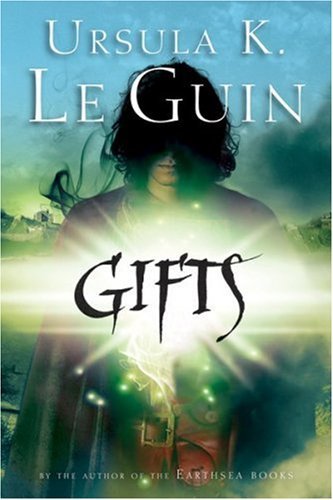

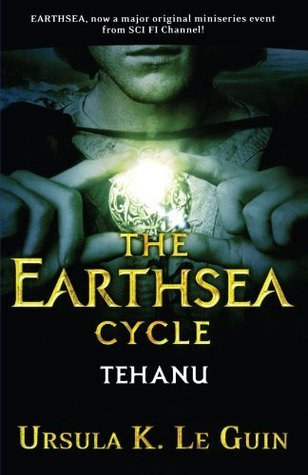

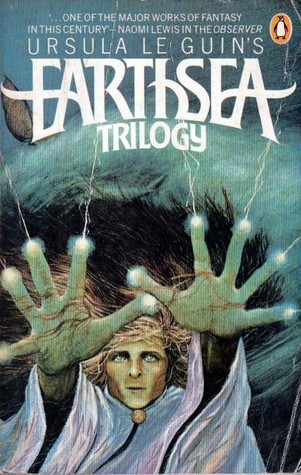
Summary of Key Ideas
Table of Contents
Boundaries Between Life and Death
Alder is haunted by dreams in which his beloved, departed wife calls him from the wall dividing life and death, a barrier central to the world’s natural order. Desperate for peace, Alder seeks counsel from Ged, no longer Archmage but wise and empathetic. Together, they realize his nightly torment is a symptom of deeper disarray—the balance of Earthsea is unraveling, as the wall between worlds weakens, threatening to let death’s longing and discontent spill over into life.
Healing Through Acceptance and Grief
Earthsea’s leaders—including Tenar, Tehanu, and King Lebannen—convene to discuss the unrest. Their gathering is also spurred by a new threat: the dragons, led by the formidable Orm Irian, fiercely demand the return of lands and freedoms lost to humans centuries ago. The meeting marks a pivotal moment for the mages, royalty, and those touched by magic, as old alliances erode and new partnerships are forged out of necessity and mutual respect. Dialogue and empathy emerge as the only pathways to peace.
Renewal of Old Alliances and Forging New Bonds
As tensions escalate, the group must confront the source of the world’s distress. They journey to the Dry Land, Earthsea’s realm of the dead, learning that the wall itself is a human creation born of a desire for immortality. The dead long for release, the dragons for their ancient dominion, and humans for security and meaning. The narrative steers away from epic battles, instead exploring negotiation and healing, as each people’s pain and longing are honored and addressed.
The Power and Responsibility of Choice
The revelations challenge what the characters thought they understood about life, death, magic, and legacy. Alder’s private grief is mirrored in the collective yearning for change; only by recognizing and working through sorrow can healing be achieved. The story emphasizes that maturity—personal and cultural—comes from acceptance, not denial, of loss and change. The crossing of the boundary, both literal and symbolic, is what ultimately restores harmony and possibility.
The Nature of Change in a Magical World
In the novel’s resolution, Alder musters the courage to relinquish his attachment and say farewell to his wife, an act that enables the wall’s dissolution. The passage between worlds opens, the dead find rest, and dragons reclaim their rightful place in the order of things. Earthsea is left changed yet renewed, its magic deepened by truth and the courage to embrace impermanence. Le Guin’s tale ends with hope, reflection, and the promise of continued transformation.
Download This Summary
Get a free PDF of this summary instantly — no email required.