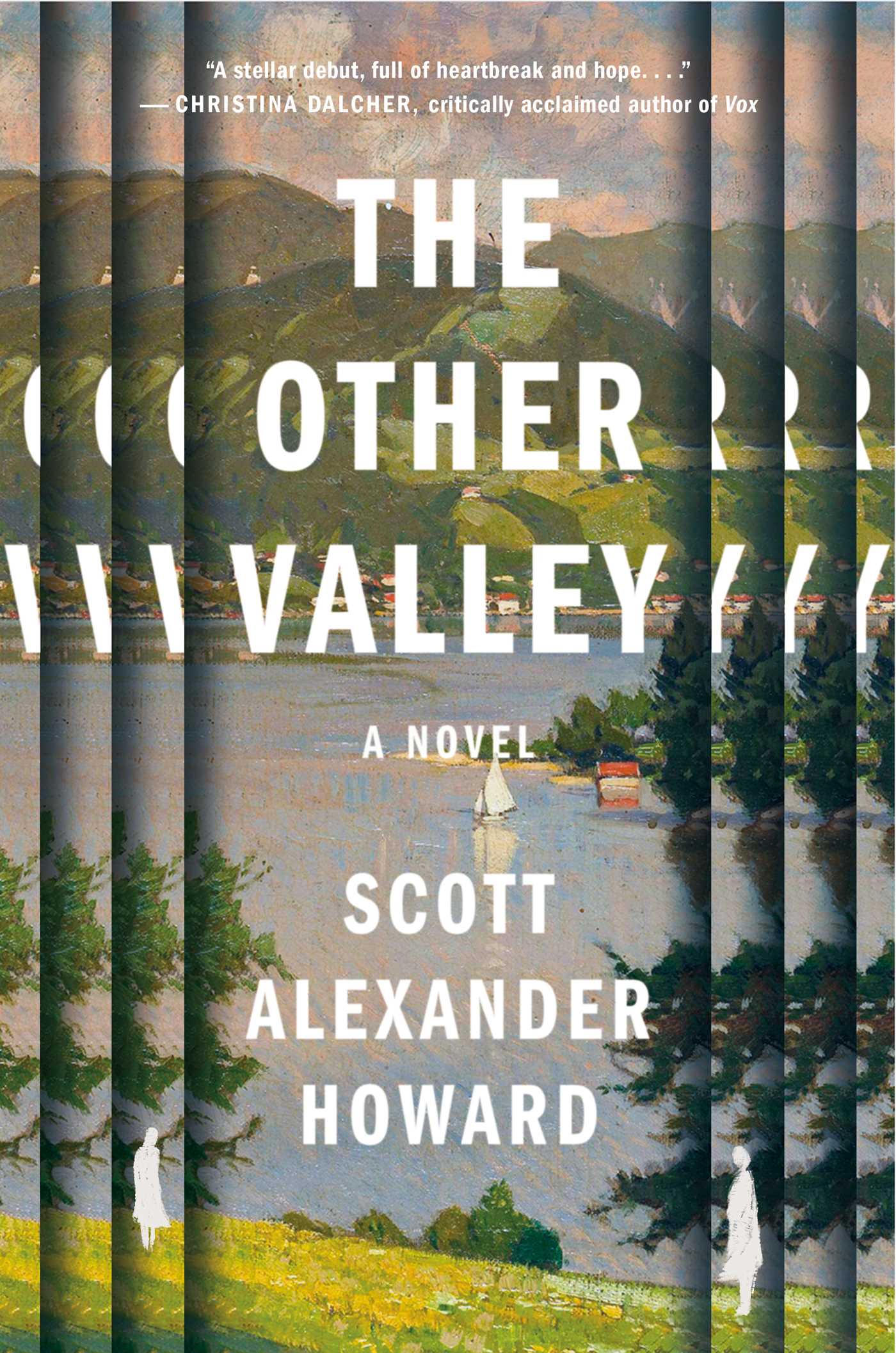
The Other Valley
Book Description
Trapped in a haunting, forgotten valley, a group of strangers must confront not only their darkest secrets but the sinister forces lurking at the edges of their reality. As chilling whispers echo through the trees and relationships fracture under the weight of paranoia, loyalties will be tested and courage demanded. Each moment is a race against time as danger looms ever closer, shrouded in mystery and dread. What happens when survival depends on unraveling the truth behind a world that doesn’t play by the rules? Are they strong enough to face the shadows, or will they be consumed by the darkness of the other valley?
Quick Book Summary
In "The Other Valley," Scott Alexander Howard weaves a chilling and thought-provoking tale of survival and self-discovery. A diverse group of strangers finds themselves inexplicably trapped in a mysterious, eerie valley, surrounded by a sense of dread and supernatural forces that seem to bend the very fabric of time and reality. As the group grapples with their own secrets and the psychological toll of their predicament, paranoid suspicions and mistrust begin to unravel the fragile bonds between them. The valley itself seems to feed on their fear and doubt, pushing each character to the brink. Only by confronting the shadows within and around them can they hope to survive and uncover the valley’s true nature. The novel is a haunting exploration of courage, connection, and the cost of facing the unknown.




Summary of Key Ideas
Table of Contents
Confronting Inner and Outer Darkness
A group of strangers awakens within a nameless valley, their memories foggy and circumstances unclear. Each person brings their own baggage—trauma, guilt, desperation—making cooperation uneasy from the outset. As they explore their surroundings, they discover that the valley isn’t governed by normal rules: time loops, spatial distortions, and eerie whispers suggest a reality bent by unseen forces. Fear of the unknown and frustration over the lack of control begin to strain relationships, leading to secrecy and suspicion among the group.
The Distortion of Time and Reality
As strange phenomena escalate—phantom visions, shifting day and night cycles, realities overlapping—characters are forced to confront not only the valley’s mysteries, but also their own suppressed secrets. The environment acts as a crucible, exposing every lie and hidden pain. Paranoia rises, as some suspect others of withholding knowledge or working against the group, deepening divisions and dangerous rivalries. Loyalty and betrayal become matters of survival as personalities clash.
Secrets, Trust, and Group Dynamics
Central to their ordeal is the question: what does the valley want? The characters begin to theorize about the valley's purpose, suspecting it is alive or sentient. Some see it as a test, others as a punishment or a metaphysical mirror of their own darkness. Attempts to escape or decipher the valley’s boundaries only yield cyclical journeys and increasingly surreal events, blurring the line between hallucination and reality. The psychological toll mounts as hope begins to fade.
The Lure and Danger of the Unknown
Through adversity, glimpses of genuine connection emerge. A few characters find courage by confronting their past and sharing vulnerabilities, building fragile alliances. Mutual support becomes essential in decoding the valley’s patterns and resisting its more sinister influences. The group’s evolution from distrust to empathy is both hard-won and tentative, with setbacks and sacrifices along the way. Some are consumed by the valley’s darkness, while others find the inner strength to persevere.
Transformation through Adversity
In the end, the survivors realize that the pathway out of the valley requires confronting not just external threats, but the personal truths hidden in their own hearts. By embracing honesty, forgiveness, and a willingness to face their deepest fears, a way forward emerges. The story closes on an ambiguous note, leaving open the possibility that the valley is not just a place, but a state of being—a challenge each must continually confront to move forward. "The Other Valley" ultimately positions the struggle for self-awareness and connection as the key to overcoming the world’s—and one’s own—mysteries.
Download This Summary
Get a free PDF of this summary instantly — no email required.