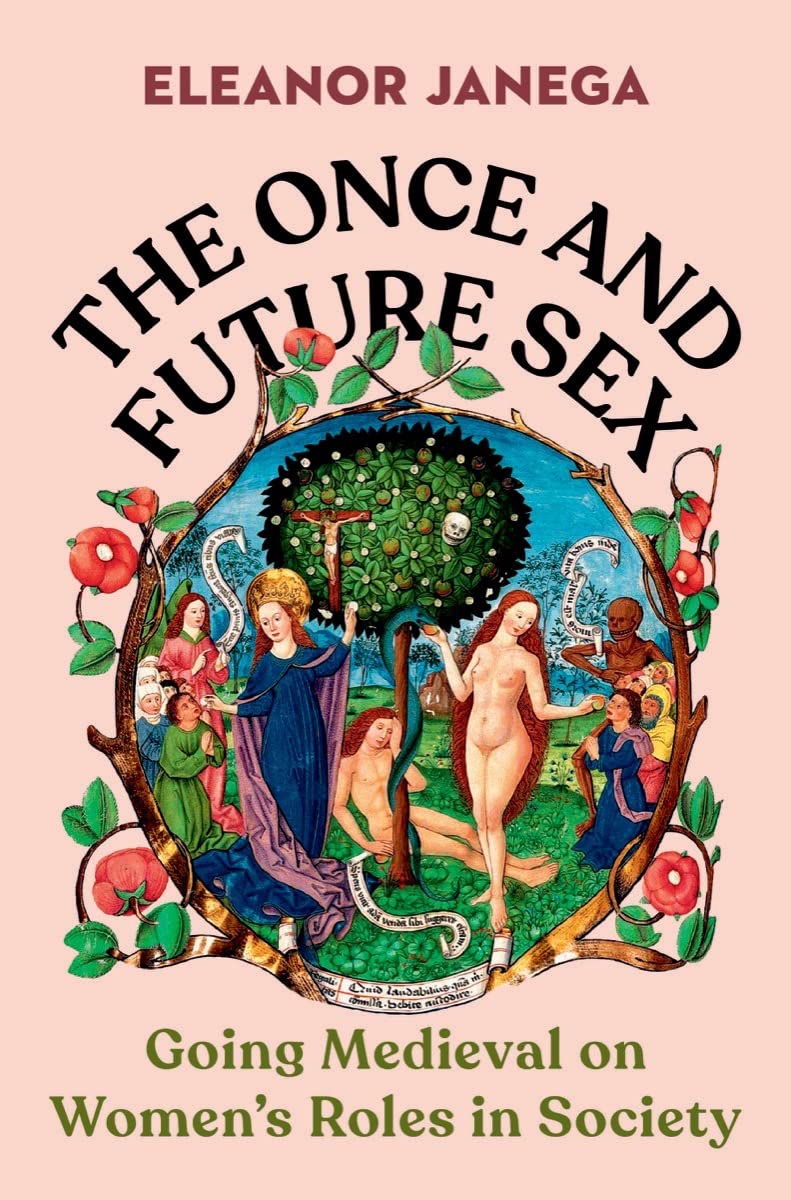
The Once and Future Sex: Going Medieval on Women's Roles in Society
Book Description
What if the secret to understanding women's roles today lies hidden in the shadows of the medieval past? Eleanor Janega's 'The Once and Future Sex' shatters myth and reimagines the landscape of gender dynamics, revealing how the medieval world offers a fresh lens on contemporary issues. With sharp insights and compelling narratives, Janega uncovers the complexities of femininity, power, and resilience, challenging modern perceptions and urging a radical rethink of women's place in society. As the lines blur between past and present, how can we harness these lessons to forge a more equitable future?
Quick Book Summary
In "The Once and Future Sex," Eleanor Janega examines the construction and evolution of women's roles in medieval society and draws revealing parallels to modern gender dynamics. She dispels persistent myths about medieval women as powerless or one-dimensional, instead showing a nuanced range of experiences shaped by class, location, and societal expectations. By weaving together historical sources, cultural practices, and philosophical attitudes toward femininity, Janega highlights how contemporary discussions about women's bodies, sexuality, labor, and agency mirror centuries-old debates. The book calls upon readers to reconsider how our understandings of gender are rooted in the past, inviting new possibilities for envisioning equity. With witty, incisive commentary, Janega urges us to recognize both progress and continuity in the struggle for gender equality.


Summary of Key Ideas
Table of Contents
Gendered Expectations and Social Roles
Eleanor Janega opens with a critical exploration of how gender roles were constructed in the medieval period. Drawing from a wealth of historical documents, she demonstrates that women's status was complex and varied widely based on class, location, and context. Far from being universally oppressed, many women found avenues for influence within family, religious communities, and the workplace. Janega stresses that prescriptive norms often conflicted with lived realities, challenging the modern belief that medieval society offered only simplistic, binary roles for women.
The Politics of Women’s Bodies and Sexuality
The book next examines the politics surrounding women’s bodies and sexuality. Janega discusses religious and philosophical writings that framed women as both morally fragile and dangerous, focusing on how ideas about sin and purity shaped expectations. Despite strict codes around chastity, women were engaged in love, marriage, and even subversive erotic expression. Janega draws parallels to modern policing of women's bodies, arguing that anxieties about femininity and sexuality have been remarkably persistent across the centuries.
Power, Work, and Economic Agency
A significant portion is devoted to women’s work and economic participation. By highlighting women as artisans, merchants, and landowners, Janega counters the notion that they were absent from medieval public life. She details how women’s labor was essential to both domestic existence and urban economies, particularly in craft guilds and commerce. However, she also notes the barriers women faced, such as limitations to property rights and the prevalence of wage disparities—a theme that echoes in contemporary workplaces.
Myths Versus Realities of Medieval Womanhood
Janega relentlessly interrogates the myths we hold about medieval women. From the supposed ubiquity of witch hunts to the idea that women were universally subservient, she reveals how historical memory is shaped by modern anxieties and entertainment. Through close readings of texts and artworks, Janega disentangles fact from fiction, showing that the diversity and power of medieval women have often been overwritten by later historians or pop culture projections already influenced by their own time’s prejudices.
Lessons from the Past for Modern Feminism
Finally, Janega looks to the lessons that the medieval past can offer feminists today. By exposing the inventiveness and resilience of women in an ostensibly patriarchal society, she suggests ways to challenge both defeatism and complacency. Rather than view history as a static narrative of oppression, Janega invites readers to see it as a source of strategies for contemporary resistance and empowerment, urging us to imagine more radical revisions of gender expectations for the future.
Download This Summary
Get a free PDF of this summary instantly — no email required.