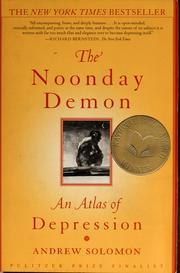
The Noonday Demon: An Atlas of Depression
Book Description
A haunting exploration of the shadows lurking within the human mind, "The Noonday Demon: An Atlas of Depression" unravels the complexities of despair with unflinching honesty. Andrew Solomon journeys through personal battles, scientific insights, and societal perceptions, painting a vivid landscape of suffering and resilience. Each page turns like a scene in a gripping film, juxtaposing stark realities with moments of profound hope. As he delves into the depths of a condition that touches millions, the book raises urgent questions about empathy, understanding, and the intricate web of human experience. What if the darkness could be transformed into a powerful source of connection?
Quick Book Summary
"The Noonday Demon: An Atlas of Depression" by Andrew Solomon is an eloquent fusion of memoir, scientific inquiry, and social commentary on the subject of depression. Drawing from his own harrowing experiences, Solomon sheds light on the multifaceted nature of this common yet stigmatized disorder. He weaves personal narrative with interviews, medical research, and cultural analysis, offering a panoramic view of how depression is experienced, treated, and perceived around the world. Solomon explores causes, available treatments, and the daily realities faced by those living with depression, while also addressing societal challenges like stigma and policy making. Ultimately, the book is a call for greater empathy and understanding, emphasizing that hope and healing are possible even amidst the darkest struggles.




Summary of Key Ideas
Table of Contents
The personal and universal experience of depression
Andrew Solomon begins by inviting readers into his own intimate battle with depression, capturing the debilitating grip of the illness and the chaos it brings. He juxtaposes the uniquely subjective nature of suffering with the universal mechanisms underpinning the disorder. Through stories of others and his own, Solomon conveys how depression can render ordinary life insurmountable, robbing individuals of energy, connection, and purpose, while also sowing seeds of empathy and self-awareness for those able to navigate its storms.
The science and treatment of depression
The book delves into the biological and psychological mechanisms of depression, exploring theories of brain chemistry, genetics, and environmental triggers. Solomon reviews current treatments, from medication and psychotherapy to alternative therapies and lifestyle changes, weighing their efficacy and limitations. He doesn’t shy from the complexities or controversies within psychiatry, instead encouraging an individualized approach and critical engagement with advances in mental health care.
Cultural, historical, and societal contexts of mental illness
Broadening his scope, Solomon examines depression through the lens of diverse cultures and epochs, revealing how responses to mental illness are shaped by political, religious, and economic factors. He discusses stigma’s role in deepening suffering and restricting access to help, while also highlighting policy reforms and successful advocacy efforts that have begun to shift public perception. Depression, he insists, is as much a cultural and social challenge as a personal affliction.
Impact of depression on families and relationships
Solomon shares moving portraits of how depression affects families and strains relationships, detailing the ripple effects on caregivers, spouses, and children. He addresses the guilt, shame, and miscommunication that can emerge, as well as the possibilities for deepened understanding and increased solidarity among those touched by the disorder. These narratives offer a compassionate understanding of the intricate web depression weaves in both individual and communal life.
Pathways to hope, resilience, and advocacy
Concluding on a note of hope, Solomon emphasizes the importance of advocacy and storytelling in transforming both personal and public landscapes of mental health. He celebrates the resilience exhibited by those with depression and underscores the value of persistence, empathy, and human connection. Through education, policy, and open dialogue, he encourages readers to confront the noonday demon not with fear, but with courage, compassion, and a desire to help transform darkness into collective strength.
Download This Summary
Get a free PDF of this summary instantly — no email required.