
The Night of the Generals
Book Description
Amidst the chaos of World War II, a brutal murder shakes the very foundations of Nazi high command. As three generals attempt to cover their tracks, dark secrets and sinister loyalties intertwine, setting off a deadly game of cat and mouse. With the looming threat of betrayal and a relentless investigator on their trail, shifts in power blur the lines between honor and treachery. Tension rises with each pulse-pounding chapter, revealing the fragile nature of trust in wartime. Who will survive the night when shadows cast the longest?
Quick Book Summary
Set in Nazi-occupied Europe during World War II, "The Night of the Generals" weaves a gripping narrative where a chilling murder exposes corruption at the heart of the German military elite. When a prostitute is found brutally slain in Warsaw, the investigation points to a German general as the possible culprit. As the war escalates, a dogged intelligence officer follows the case across continents and decades, unraveling a web of deceit, ambition, and moral decay. The novel masterfully combines a suspenseful murder mystery with a sharp critique of power and complicity within the Nazi hierarchy. Loyalty is tested and the distinction between enemy and ally blurs, as the search for truth becomes more dangerous than ever.



Summary of Key Ideas
Table of Contents
Corruption and Complicity in Wartime Hierarchies
At the core of "The Night of the Generals" lies a horrifying murder: a prostitute in Nazi-occupied Warsaw is found mutilated, and evidence suggests the perpetrator is a high-ranking Wehrmacht general. This crime is particularly alarming for the Nazi establishment, both because of its brutality and because it threatens the carefully maintained image of military honor and discipline among Germany's top officers. The murder is methodical and chilling, hinting at a perpetrator accustomed to cruelty and unrestrained by conscience.
The Blur Between Honor and Self-Interest
The task of solving the murder falls to Major Grau of the Abwehr, the German military intelligence. Grau is an uncommon man—principled, persistent, and seemingly indifferent to the shifting political tides of war. Grau’s investigation quickly implicates three generals, each with the opportunity to have committed the crime. As Grau doggedly pursues the truth, he becomes a quiet threat to the powerful men he suspects, who in turn leverage their ruthless cunning and connections to sidestep exposure, complicating the search for justice.
The Pursuit of Justice in the Shadow of War
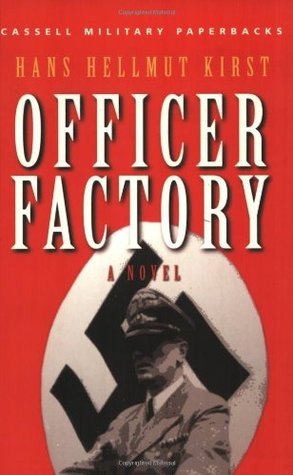
The narrative unfolds across multiple years and European cities as the war progresses. Kirst intertwines the generals’ fates with real events such as the July 20 plot against Hitler, emphasizing how personal ambition and political maneuvering can breed treachery and betrayal. The investigators—and even the generals themselves—struggle with moral ambiguity, often torn between their own survival, a vague sense of duty, and shifting allegiances. The novel suggests that, in times of great crisis, the boundaries between good and evil, honor and self-preservation, become perilously unclear.
Moral Ambiguity and Survival
Amidst this fraught atmosphere, the concept of justice itself is questioned. Grau’s pursuit is not only for a murderer but also for a kind of moral reckoning, attempting to shine light into the darkness upheld by wartime secrecy and obedience. As his investigation faces obstruction and danger from all sides, it becomes a symbol of resistance—however small—against the tidal wave of institutionalized criminality unleashed by the war. Characters wrestle with their conscience, torn between complicity in terrible acts and rare, fleeting moments of integrity.
The Unmasking of Secrets and Betrayals
The novel builds to a suspenseful climax where past crimes can no longer remain hidden. As the war ends and time moves forward, the consequences of personal and collective choices come to the fore. The murder mystery is ultimately solved, but at a steep price: it serves as a stark reminder of the human cost of unchecked power and the moral shadows cast in times of atrocity. Kirst’s masterful interweaving of thriller elements and historical critique creates a haunting meditation on the thin, fragile boundaries that separate justice from vengeance, and loyalty from betrayal.
Download This Summary
Get a free PDF of this summary instantly — no email required.