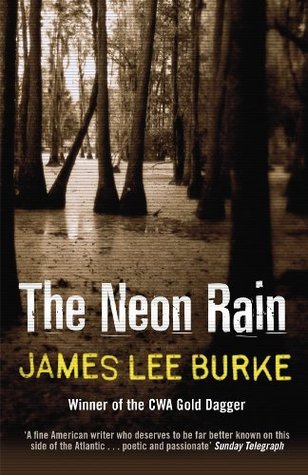
The Neon Rain
Book Description
Beneath the vibrant glow of New Orleans' neon lights, a world of shadows and secrets thrives. Detective Dave Robicheaux finds himself entangled in a deadly web of murder and deception, where the past lurks like a ghost in the bayou. Loyalties are tested, and dark alliances form as he battles the demons of his own soul. The city's pulse quickens with each clue uncovered, revealing a shocking conspiracy that could lead to his undoing. Can Robicheaux navigate the treacherous waters of betrayal, or will the neon rain wash away everything he holds dear?
Quick Book Summary
In James Lee Burke's "The Neon Rain," Detective Dave Robicheaux prowls the shadowy streets and teeming bayous of New Orleans, where corruption and violence simmer beneath the city's glittering exterior. Investigating a young woman's murder, Robicheaux is drawn into a labyrinth of crime, confronting not only the ruthlessness of gangsters and dirty lawmen but also the ghosts of his own traumatic past. As he delves deeper, alliances shift, betrayals mount, and Robicheaux's own moral code is tested. Haunted by Vietnam memories and personal losses, he must untangle a city-wide conspiracy before it destroys him. Burke crafts a vivid, atmospheric tale exploring resilience, justice, and redemption in a city where everyone has something to hide.


Summary of Key Ideas
Table of Contents
The Shadows of Corruption and Power
Detective Dave Robicheaux’s journey begins when he discovers the body of a young woman floating in a bayou near New Orleans, setting him on a collision course with powerful criminal forces. The investigation quickly uncovers connections to organized crime, corrupt politicians, and a relentless drug trade. Each clue draws Dave deeper into the murky world that thrives beneath the city’s dazzling façade, putting his life in immediate danger. The neon-lit city becomes both a backdrop and an antagonist, its beauty masking the darkness within.
Coping with Past Trauma and Personal Demons
Robicheaux’s battle is not only with external forces but within himself. Scarred by memories of serving in Vietnam and the tragic death of his wife, he struggles with alcoholism and guilt. These personal demons threaten to consume him, influencing both his professional judgment and his relationships. Yet, it is this vulnerability that gives Robicheaux depth and drives his relentless pursuit of justice, making him a detective readers relate to and root for despite his flaws.
Seeking Justice in a Flawed System
The undercurrent of the novel is the deeply rooted culture of corruption in New Orleans. Robicheaux navigates a landscape where police, criminals, and politicians form a dangerous network of shifting alliances. Trust is scarce, and even those closest to Dave—friends and law enforcement colleagues—may not be what they seem. Betrayals punctuate the narrative, forcing Robicheaux to constantly re-evaluate his allies and his own motives as the conspiracy widens.
Complex Loyalties and Betrayals
Despite the darkness he confronts, Robicheaux’s sense of justice never wavers. He is often at odds with the law—bending or breaking rules when necessary—but his moral core guides him through treacherous territory. Robicheaux becomes a symbol for resilience in a city that seems rigged against the honest. Every risk he takes tests his limits and endangers those he loves, but his commitment to truth remains unshakable.
The Intense Atmosphere of New Orleans
Burke’s evocative prose brings New Orleans alive as an omnipresent character—humid, neon-bathed, seductive yet sinister. The setting shapes every interaction, coloring the tension and choices faced by Robicheaux. As the conspiracy unfolds and the final confrontations loom, the city’s atmosphere intensifies the suspense, making the outcome unpredictable. In the end, Robicheaux’s survival and victory come at a personal cost, underscoring the enduring battle between hope and despair in a world haunted by both past and present crimes.
Download This Summary
Get a free PDF of this summary instantly — no email required.