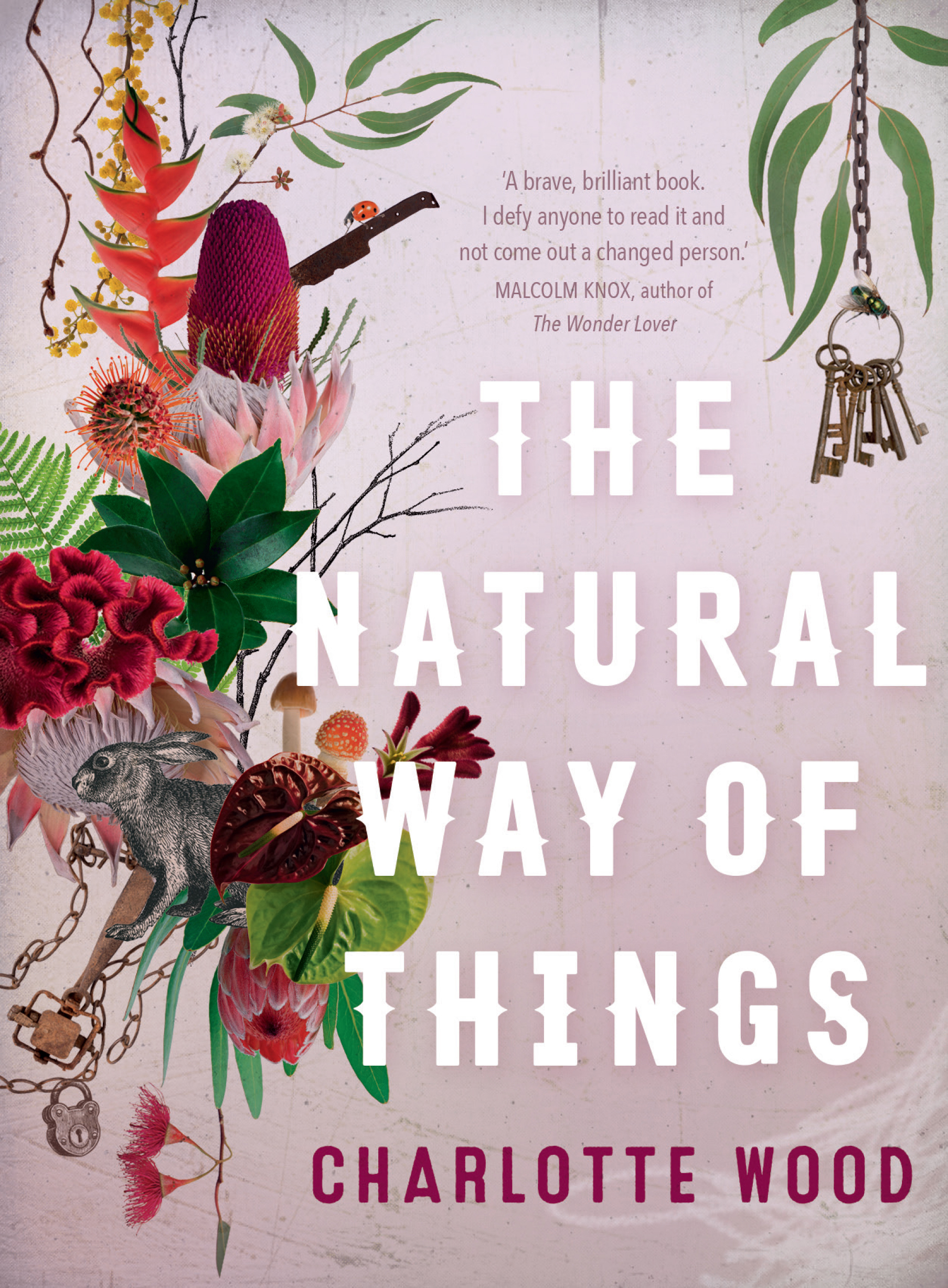
The Natural Way of Things
Book Description
In a desolate landscape where freedom feels like a distant memory, two women awaken in a nightmarish captivity, shackled not just by chains, but by the oppressive weight of their own fears. As they navigate the treacherous dynamics of power and survival, trust becomes a fragile commodity, and betrayal lurks in every shadow. Together, they must confront the harsh realities of their predicament while unravelling the sinister motives of their captors. As desperation mounts, alliances will be tested and secrets will be unearthed. Will they find a way to break free, or will the walls of their confinement close in forever?
Quick Book Summary
"The Natural Way of Things" by Charlotte Wood is a haunting dystopian novel set in rural Australia, exploring the brutal realities of female oppression. The story centers on Yolanda and Verla, two women who awaken in a fenced compound after being kidnapped and imprisoned with other women. Each prisoner shares a public scandal involving powerful men. The women soon realize they have been cast out for punishment and control, watched over by sadistic male guards. To survive, Yolanda and Verla must navigate alliances and treachery, confronting both external and internalized misogyny. As their captivity becomes more desperate, the women’s resilience, instincts, and ability to reclaim agency are tested, leading to a raw meditation on autonomy, violence, toxic masculinity, and the will to endure despite dehumanization.





Summary of Key Ideas
Table of Contents
Gendered Violence and Societal Misogyny
Yolanda and Verla wake up drugged and disoriented, together with several other women inside a remote compound in the Australian bush. Guarded by two cruel men, Boncer and Teddy, and an ineffectual administrator, the group learns they have been kidnapped and imprisoned for their involvement in sex scandals with influential men. Cut off from the outside world, the women are forced into grueling manual labor and subject to humiliation, both physical and psychological. Their shared predicament is rooted in society’s inclination to blame and shame women for men’s transgressions, forming the central thread of the narrative.
Power, Control, and Resistance
As the days pass, social structures within the compound fray. The women, once united by their suffering, begin to fracture under the strain of deprivation and fear. Alliances form and dissolve rapidly as survival becomes paramount. Yolanda, guided by animal-like instincts, draws away from the others, living on the fringes and embodying the link between wilderness and female survival. Verla, more intellectual and analytical, attempts to understand their captors and the systemic reasons for their captivity. Their parallel coping strategies highlight different facets of resistance under oppression.
Survival, Instinct, and the Body
The outside world offers only indifference; their captors are cut off as well and supplies dwindle, amplifying desperation on all sides. Power dynamics shift as Boncer, hungry for dominance, grows increasingly volatile and dangerous. The compound devolves into near anarchy, where established norms vanish and primal survival takes hold. The women's bodies, repeatedly marked and invaded, become sites of both vulnerability and rebellion, underlining the book’s focus on the physicality of oppression and endurance.
Isolation and the Breakdown of Order
Throughout their ordeal, the women struggle to trust one another. Solidarity is laced with suspicion and betrayal, reflecting the ways in which systems of power pit the vulnerable against each other. Yet moments of empathy and connection flicker, especially between Yolanda and Verla. Their relationship evolves from mutual wariness to a fraught kind of trust, offering transient comfort amid chaos. The nature of their camaraderie, as well as its limits, provides an intricate portrait of forced sisterhood in captivity.
Female Solidarity and Distrust
Ultimately, "The Natural Way of Things" is a stark exploration of institutionalized misogyny and the resilience it evokes in its targets. As hope seems to vanish, both Yolanda and Verla carve out new forms of resistance, whether through transformative acceptance or escape. The novel’s grim vision underscores how society punishes women who challenge established power, but also how, despite terror and abandonment, the will to resist persists. Through unflinching prose, Wood leaves readers reckoning with issues of complicity, agency, and what it means to fight for freedom under impossible constraints.
Download This Summary
Get a free PDF of this summary instantly — no email required.