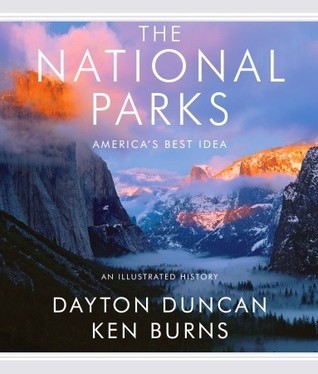
The National Parks: America's Best Idea
Book Description
A breathtaking adventure awaits in the vast, untamed wilderness of America. "The National Parks: America's Best Idea" captures the epic struggle to preserve these majestic landscapes against the tide of industrialization and greed. Rich storytelling intertwined with vivid imagery transports readers into the heart of nature's splendor, revealing the passionate visionaries who fought to protect it for generations to come. As the stakes rise and the battle intensifies, the profound impact of these cherished parks unfolds. Can the beauty of nature triumph over the relentless advance of modernity? Experience the fight and discover why every step into these parks matters.
Quick Book Summary
"The National Parks: America's Best Idea" by Dayton Duncan is a sweeping narrative of how America's national parks came to be known as the country’s most precious treasures. The book traces the inception and growth of the national parks movement, celebrating the natural beauty and cultural heritage preserved by visionaries who recognized the need to safeguard these lands for posterity. Through compelling stories, historical context, and powerful anecdotes, Duncan underscores the enduring struggle to protect these spaces from exploitation and development. Blending history, nature, and travelogue, the book emphasizes the parks' significance not only as stunning landscapes, but also as symbols of democratic ideals, public access, and environmental stewardship. It makes clear that the legacy of America’s national parks is a testament to the ongoing commitment required to preserve nature’s wonders for future generations.



Summary of Key Ideas
Table of Contents
The Birth of the National Parks Movement
The story of America’s national parks begins in the mid-19th century, when artists, writers, and nature lovers first advocated for the protection of stunning landscapes such as Yosemite and Yellowstone. Their awe at the beauty and scale of these wild places inspired calls to set aside land for the enjoyment of all people, not just a privileged few. This radical idea was thought of as 'America’s best idea,' linking shared natural spaces to the country’s democratic ideals.
The Ongoing Struggle for Conservation
Creating and expanding the national parks has never been easy. The book recounts the conflicts with private interests, industrialists, and government officials, who often saw economic opportunity in the same places others valued for their inherent beauty. Political battles raged over land use, hunting, mining, and development, requiring tireless advocacy and strategic alliances from those committed to conservation. The park movement’s evolution reflects larger questions about balancing public good with private gain.
Visionaries and Guardians of the Wilderness
The narrative highlights the individuals who became champions of preservation—people like John Muir, Theodore Roosevelt, Stephen Mather, and a host of lesser-known advocates. Their passionate voices and relentless efforts were instrumental in founding parks and building support across social classes and regions. Their stories are woven together with those of ordinary citizens whose recreational experiences helped legitimize the parks as truly national treasures.
National Parks as Symbols of Democracy and Public Good
National parks are presented not just as scenic wonders, but as essential public goods that demonstrate the value of shared resources and stewardship. The parks belong to everyone, and their existence reinforces the democratic principle of protecting spaces for the benefit and recreation of all, regardless of background. Throughout wars, economic crises, and shifting national priorities, the idea of the park as a unifying space has endured.
The Enduring Legacy and Future Challenges
Looking to the present and future, the book considers the ongoing challenges facing national parks: climate change, overcrowding, funding shortages, and new pressures from development and tourism. It urges readers to see themselves as stakeholders in this ongoing experiment, suggesting that the success of the national parks system depends upon continued vigilance, advocacy, and collective action. Ultimately, the parks’ enduring legacy lies in the perpetual promise of renewal, wonder, and hope they provide for all Americans.
Download This Summary
Get a free PDF of this summary instantly — no email required.