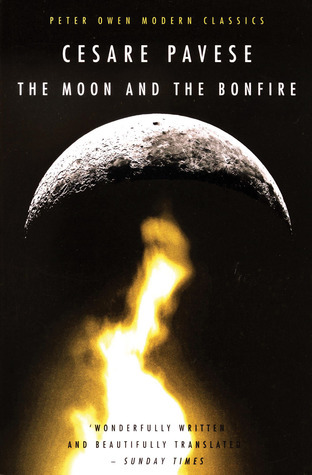
The Moon and the Bonfire
Book Description
A haunting return to the place of lost innocence ignites a storm of memories in a man grappling with the shadows of his past. As the moonlight dances on the tranquil waters, long-buried secrets rise, entwining him with the bittersweet ghosts of love and friendship that once sparked joy—and now threaten to engulf him. The tranquil rural landscape conceals turmoil as old rivalries and unspoken desires clash beneath the surface. What sacrifices will he make to confront the specters of his youth, and can one truly leave behind the fires that shaped their very being?
Quick Book Summary
"The Moon and the Bonfire" by Cesare Pavese follows Anguilla, an Italian emigrant who returns to his rural birthplace in the Langhe region after years in America. The novel weaves between his memories of a boyhood shadowed by the complexities of class, family, and friendship, and the haunting present of postwar Italy. Through his journey, Anguilla confronts lost innocence, the enduring power of the land, and the specters of trauma left by war and betrayal. Pavese’s poignant prose explores the longing for belonging, the impossibility of fully escaping one’s origins, and the irreversible changes wrought by time and history, making this a meditation on memory, identity, and rural Italian life.




Summary of Key Ideas
Table of Contents
The Irretrievability of the Past
Anguilla’s return to the small Piedmontese village of his youth is both a homecoming and a reckoning. Orphaned and raised by a peasant family before being adopted by a local landowner, Anguilla’s formative years are marked by social hierarchy, longing, and an outsider’s perspective. Now financially prosperous after years in America, he finds his homeland transformed and himself estranged, both physically and emotionally. The familiar landscape is imbued with memories, but the sense of belonging he seeks remains elusive.
The Enduring Grip of Home and Memory
As Anguilla reconnects with the people and places of his boyhood, he is overwhelmed by recollections: the stern landowner’s daughters he once admired, his friendships with Nuto and other villagers, and the divides created by class and privilege. The rural setting, with its timeless cycles and rituals symbolized by the moon, stands in stark contrast to the irrevocable loss wrought by war and personal growth. Anguilla’s search for connection underscores the theme of home as both refuge and prison.
Class and Identity in Rural Italy
Italian society is shown in flux, scarred by World War II and the ensuing political upheaval. The novel details the fate of figures from Anguilla’s past: betrayals, executions, and the shattering of innocence. The bonfires referenced in the title evoke both festive tradition and destructive violence, illustrating how the past cannot be easily left behind. Through Anguilla’s perspective, the land becomes a silent witness to human suffering and resilience, its beauty tinged with tragedy.
The Trauma of War and Political Upheaval
Relationships, both loving and fraught, anchor Anguilla’s memory. The enigmatic daughters Santina and Irene, the loyal-friend-turned-disillusioned Nuto, and the contrasts between longing and loyalty, loss and survival, all play out against a shifting backdrop. Pavese’s meditative style immerses readers in the restorative and corrosive powers of nostalgia, as Anguilla’s journey becomes a metaphor for postwar Italy’s confrontation with its scars. The search for meaning amid ruin is mirrored in the protagonist’s struggle to reconcile past and present.
Ultimately, "The Moon and the Bonfire" is a lament for the lost simplicity of youth and the inexorable changes forced by time and circumstance. Anguilla’s inability to reclaim his innocence or adapt fully to his transformed village reflects universal tensions between memory and reality, belonging and alienation. Pavese’s nuanced portrayal of landscape, character, and trauma creates a timeless work on the human need for roots, understanding, and redemption—and the sometimes painful realization that the fires that forged us can never be completely extinguished.
Download This Summary
Get a free PDF of this summary instantly — no email required.