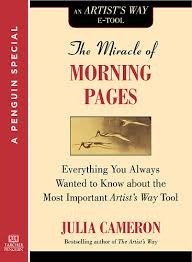
The Miracle of Morning Pages: Everything You Always Wanted to Know about the Most Important Artist's Way Tool
Book Description
Unlock the door to your creative soul with the transformative power of morning pages. Discover the art of harnessing your thoughts, fears, and dreams each morning as they spill onto the page, forging an unbreakable connection to your inner self. Julia Cameron reveals the secrets behind this life-changing practice, guiding aspiring artists and seasoned creators alike to discover clarity, inspiration, and a renewed sense of purpose. As words flow like a river of possibility, what revelations await just beyond the horizon of your pen?
Quick Book Summary
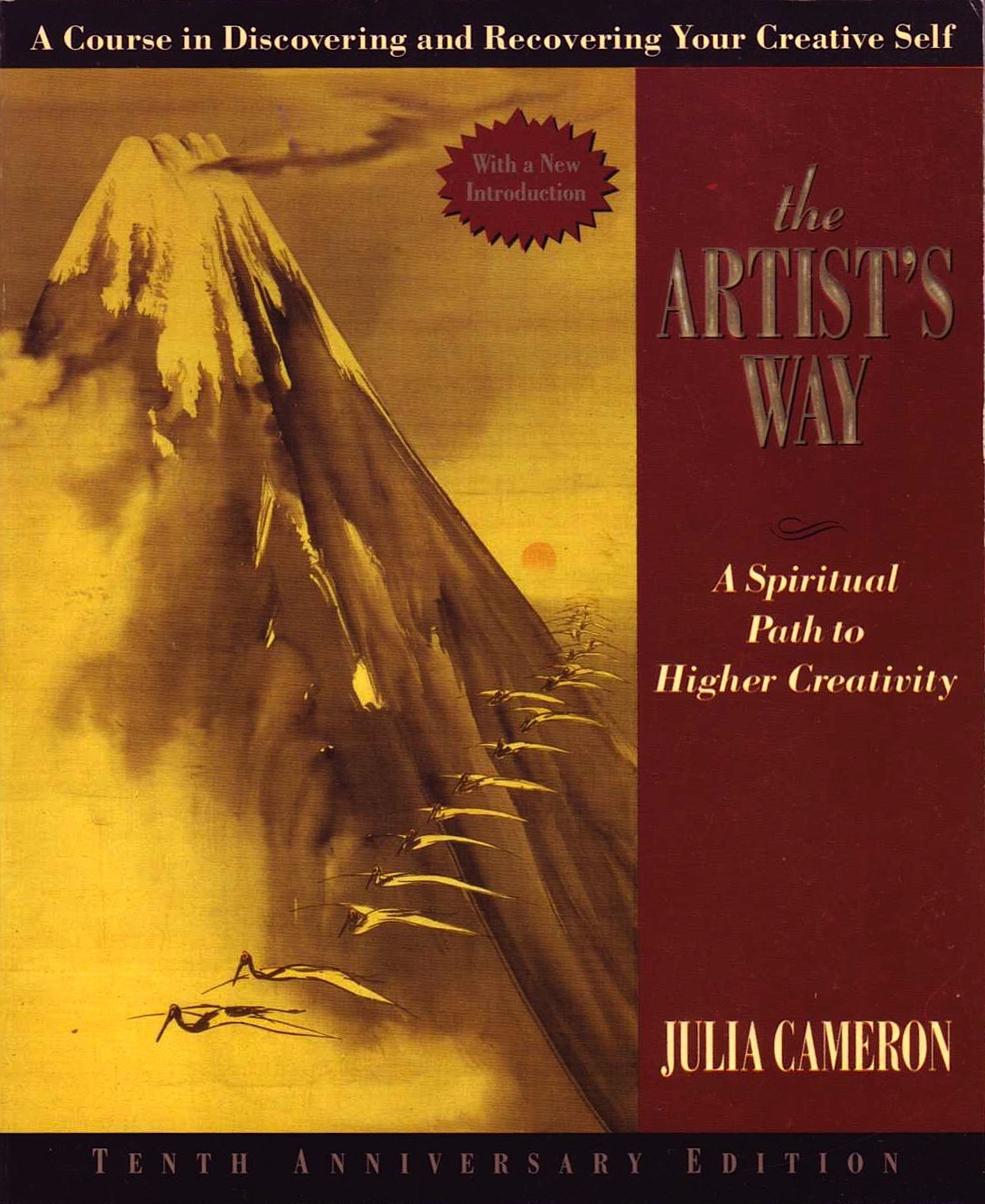
"The Miracle of Morning Pages" by Julia Cameron delves into the transformative journaling practice established in her renowned book, "The Artist’s Way." Cameron explores morning pages as a simple, daily act of writing three longhand pages upon waking. This tool is depicted as a key to unlocking mental clarity, overcoming creative blocks, and accessing deeper self-awareness. The book demystifies how faithfully engaging in morning pages helps silence the inner critic, unveil subconscious thoughts, and cultivate creative courage. Cameron guides readers—whether aspiring artists or anyone seeking change—through the benefits, challenges, and practicalities of this habit. Ultimately, the book champions morning pages as a foundational practice for anyone seeking to live and create more authentically, intentionally, and joyfully.



Summary of Key Ideas
Table of Contents
Unlocking Creativity Through Daily Writing
Julia Cameron’s classic practice, morning pages, is introduced as a powerful yet deceptively simple daily ritual: three pages of longhand, stream-of-consciousness writing first thing each morning. By making this commitment, practitioners open a channel for authentic thought, inviting creativity, honesty, and problem-solving. Cameron stresses that its regularity, privacy, and lack of structure are crucial—what matters is showing up each morning with a willingness to listen to oneself.
Silencing the Inner Critic and Self-Doubt
One of the main transformations morning pages offers is the silencing of the inner critic. Cameron asserts that our internal censor, full of self-doubt and negativity, hinders creative potential. Morning pages, being unfiltered and private, allow these thoughts to be expressed and then released, diffusing their power. Through the process, writers gain distance from critical voices, making room for possibility and risk-taking in their creative and personal lives.
Building Clarity, Focus, and Self-Awareness
Beyond battling self-doubt, morning pages heighten clarity and self-awareness. As users write, they untangle mental noise—fears, hopes, recurring worries, and creative desires come to the surface. The pages become a mirror, revealing patterns and truths that are difficult to access through ordinary thought. Cameron describes how this self-reflection leads to more mindful choices and deeper understanding, serving both artistic and everyday pursuits.
Overcoming Creative Blocks and Resistance
Cameron also explores the way morning pages break through creative blocks and resistance. She guides readers in recognizing that resistance to writing often comes from perfectionism and fear. Persisting with morning pages, regardless of mood or perceived quality, gradually dissolves these barriers. The act itself, repeated daily, fosters resilience, discipline, and an increased willingness to explore new ideas, enhancing productivity and artistic freedom.
Integrating Morning Pages into Daily Life
Finally, Cameron offers practical advice for making morning pages a sustainable, integrated habit. She addresses common obstacles—time constraints, skepticism, distractions—and provides gentle encouragement for persistence. Emphasizing process over product, she illustrates that the true miracle of morning pages lies in the ongoing journey of self-discovery and creative renewal that unfolds with each day’s writing.
Download This Summary
Get a free PDF of this summary instantly — no email required.