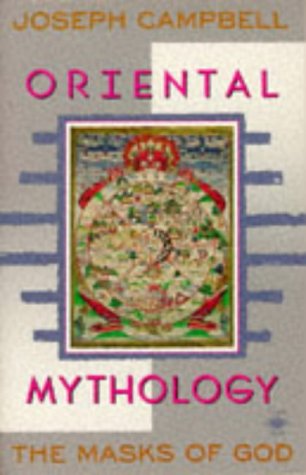
The Masks of God, Volume 2: Oriental Mythology
Book Description
Unravel the intricate tapestry of belief systems that shaped the East. 'The Masks of God, Volume 2: Oriental Mythology' plunges into the vibrant myths and profound philosophies that pulse through Asian cultures. From the celestial heroes of ancient lore to the shadowy demons of despair, each story reveals the timeless struggles of humanity. Discover the universal themes of creation, destruction, and rebirth that resonate across generations. As ancient voices echo through the pages, what truths will you uncover about the human condition that transcends time and borders? Dive into the depths of myth and explore the eternal dance of light and shadow.
Quick Book Summary
In 'The Masks of God, Volume 2: Oriental Mythology,' Joseph Campbell examines the evolution and character of mythological systems across the vast expanse of Asia, from India and China to Japan, Tibet, and Southeast Asia. Campbell explores how these myths were crafted not only to explain the origins of the universe and humanity, but also to articulate the profound spiritual quests unique to Eastern cultures. He delves into the symbolism, rituals, and philosophical frameworks that shaped Eastern societies, presenting their gods and legends as expressions of universal human concerns. Through intricate analysis, Campbell illustrates the transformative power of myth, demonstrating how these stories reveal psychological truths and offer guidance for living. In doing so, he uncovers resonant themes of creation, cyclical existence, duality, and transcendence that continue to inform our understanding of the self and the cosmos.




Summary of Key Ideas
Table of Contents
Myth as Spiritual and Psychological Guide
Campbell begins his exploration of Oriental mythology by examining how myths serve as spiritual and psychological guides in Asian cultures. Unlike Western mythologies, which often emphasize historical events or linear progression, Eastern myths focus on inner transformation, meditation, and the dissolution of ego. These stories offer frameworks for understanding suffering, impermanence, and the path towards enlightenment, as seen in Buddhist and Hindu traditions. Myths function as teaching tools, illuminating both the deepest human fears and the heights of spiritual aspiration, thus bridging the individual and universal mysteries of existence.
Cycles of Creation, Destruction, and Rebirth
One of the most compelling themes Campbell identifies is the cycle of creation, destruction, and rebirth that pervades Eastern mythologies. Gods and cosmic beings embody forces of generation and dissolution, as with Shiva in Hinduism or the interplay of yin and yang in Chinese traditions. These narratives reflect the impermanent, ever-changing nature of reality and encourage acceptance of life's flux. By embracing this cyclical understanding, Campbell argues, Eastern myths help individuals navigate life's uncertainties and encourage a harmonious relationship with the world around them.
Symbolism and the Divine Order
Symbolic imagery and ritual play a crucial role in the transmission of mythological wisdom. Campbell details how intricate symbols—such as mandalas, cosmograms, and mythic archetypes—convey layers of spiritual meaning, serving as meditative focal points and roadmaps for personal transformation. Ritual practices, from elaborate temple ceremonies to solitary meditation, embody mythic truths and facilitate communion with the divine. The repeated performance of mythic stories reaffirms communal values, encodes cosmological insights, and offers a sense of timeless participation in sacred reality.
Unity and Duality in Eastern Philosophies
A distinctive aspect of Oriental mythology lies in its exploration of unity and duality. Eastern systems often emphasize the interconnectedness of all things, teaching that apparent opposites—such as life and death, joy and sorrow, self and other—are ultimately part of a greater whole. Through philosophies like Taoism and Buddhism, Campbell demonstrates how myths guide adherents to transcend dualistic thinking and realize the underlying unity of existence. This shift in perception transforms how individuals relate to themselves, others, and the cosmos, fostering compassion and equilibrium.
Transformation Through Ritual and Story
Finally, Campbell shows that myths evolve as living traditions, continuously transformed through storytelling, adaptation, and ritual. As societies change, so too do their mythic expressions, helping new generations find meaning and resilience in a shifting world. The act of engaging with myth—whether through reading, storytelling, or practice—enables participants to experience psychological growth and spiritual awakening. By weaving together history, religion, anthropology, and psychology, 'Oriental Mythology' reveals the enduring relevance and transformative power of myth in shaping the human experience.
Download This Summary
Get a free PDF of this summary instantly — no email required.