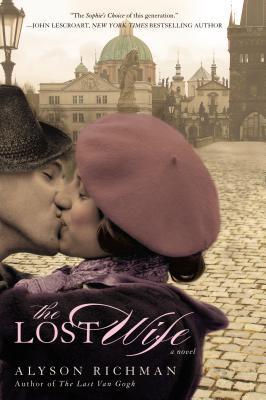
The Lost Wife
Book Description
Amidst the shadows of World War II, a love story unfolds that defies time and tragedy. Torn apart in a world where safety is a luxury, a young woman clings desperately to the hope of reuniting with her husband, a fate dictated by love and war. Secrets unravel, memories linger, and the struggle to survive becomes a haunting melody of the heart. As each character faces impossible choices and heartbreaking sacrifices, the question remains: can love truly conquer all, even in the darkest of times? Dive into a tale of resilience and passion that asks, what would you risk to find your lost love?
Quick Book Summary
"The Lost Wife" by Alyson Richman is a sweeping historical romance set against the backdrop of World War II and the Holocaust. It follows Lenka and Josef, two young lovers in Prague whose burgeoning marriage is torn apart by the Nazi invasion. Forced onto different paths by war and fate, each believes the other lost. Through alternating narratives, the novel traces their harrowing journeys—Lenka’s ordeal in Terezín camp as she uses art to survive, and Josef’s escape to America. Years later, an unexpected reunion uncovers decades of secrets, pain, and enduring love. Richman deftly intertwines history, art, and the indomitable power of love, asking if connection can survive even the bleakest circumstances.


Summary of Key Ideas
Table of Contents
The Endurance of Love Amidst Tragedy
Lenka and Josef meet and fall deeply in love in prewar Prague, enchanted by their shared passion for art and hope for a future together. As the Nazis occupy Czechoslovakia, their lives are thrust into chaos. Josef secures passage to America, desperate to save both himself and Lenka, but through a tragic twist, they become separated, each believing the other has perished in the Holocaust. Richman skillfully alternates between their two perspectives, capturing the heartbreak of irrevocable loss and the bitterness of survivor’s guilt.
Personal and Historical Trauma
Separated, Lenka is deported to the Terezín concentration camp with her family, enduring unimaginable hardship and loss. Amidst horror, Lenka draws on her artistic talents to comfort and connect with others, contributing to the clandestine cultural life that persists within the camp. For Lenka, art becomes both witness and lifeline—a fragile assertion of humanity when all else is being stripped away. Through her eyes, we experience intimate stories of resilience, the importance of cherished relationships, and the solace that creativity and memory can provide.
The Role of Art and Memory in Survival
In America, Josef struggles to begin anew, plagued by the absence of Lenka and the pain left by war. He builds a family, but nostalgia and sorrow for his first love linger, shaping his identity and relationships. Both protagonists assemble new lives on the ruins of the old, carrying scars that define their choices and the relationships formed in exile. The narrative delves into enduring trauma, survivor's guilt, and the pursuit of comfort in friendship and family.
The Complexity of Identity and Family
Decades later, a serendipitous event brings Lenka and Josef together after a lifetime apart. Their reunion is not merely about rekindling romance but also confronting truths about loss, memory, and forgiveness. Facing what was lost and gained, they grapple together with the legacies of the Holocaust and the healing possible across time. Their journey demonstrates that love—though reshaped by history—can persist, offering the possibility of closure and peace even in the shadow of unfathomable suffering.
Download This Summary
Get a free PDF of this summary instantly — no email required.