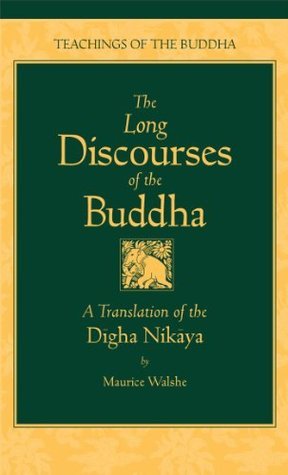
The Long Discourses of the Buddha: A Translation of the Digha Nikaya
Book Description
Unlock the ancient wisdom that transformed lives and shaped civilizations. 'The Long Discourses of the Buddha' delves deep into the heart of human experience, revealing profound insights on suffering, joy, and the path to enlightenment. Each discourse is a cinematic journey, filled with gripping tales of faith, conflict, and the relentless pursuit of truth. With an engaging translation by Maurice Walshe, these timeless teachings resonate as powerfully today as they did millennia ago. What secrets lie within these pages, waiting to awaken the spirit and challenge the mind?
Quick Book Summary
"The Long Discourses of the Buddha: A Translation of the Digha Nikaya" by Maurice Walshe presents a foundational collection of early Buddhist scriptures, offering a window into the teachings and life of the Buddha. The book compiles thirty-four long suttas, each exploring fundamental aspects of Buddhist philosophy, ethics, psychology, and cosmology. Through stories, dialogues, and vivid parables, the discourses guide readers through the Buddha’s core doctrines, including the nature of suffering, the path to liberation, and the cultivation of wisdom and ethical conduct. Walshe’s accessible translation preserves the poetic and contemplative spirit of the original Pali texts, inviting both scholars and general readers to reflect deeply on the human condition and the transformative power of mindfulness, compassion, and insight.


Summary of Key Ideas
Table of Contents
The Nature of Suffering and Liberation
The discourses begin by examining the core of human existence—suffering, impermanence, and the quest for lasting happiness. Stories such as the Buddha’s meeting with skeptical kings or troubled householders highlight how suffering arises from craving and ignorance, and emphasize the radical notion that liberation is possible for all who earnestly seek it. These foundational teachings set the stage for understanding dukkha (suffering) and the cessation thereof.
Ethical Conduct and Social Harmony
Ethical guidelines constitute a central theme, as the Buddha addresses both laypeople and monastics regarding right speech, right action, and right livelihood. The suttas provide detailed expositions on morality, showing how virtuous conduct fosters not just personal peace but also harmonious and just communities. Through persuasive arguments and illustrative anecdotes, the discourses advocate compassion, honesty, and nonviolence as the basis of spiritual and societal well-being.
Meditation and the Development of Wisdom
Meditation and the systematic cultivation of mind receive careful attention in many suttas. The texts map out methods for mindfulness, concentration, and the development of insight (vipassana). By describing the stages of meditative absorption and the transformative potential of mental training, the discourses underscore meditation as key to overcoming ignorance and attaining enlightenment. The practical guidance offered remains relevant for modern practitioners.
Cosmology and the Human Condition
The Digha Nikaya also ventures into cosmological and metaphysical discussions, offering accounts of the universe’s vast cycles of creation and destruction, as well as the evolution of sentient beings. These narratives contextualize human life within a much larger framework, highlighting both its preciousness and its transiency. By addressing questions of rebirth, karma, and cosmic law, the teachings challenge readers to expand their perspective on existence.
Faith, Inquiry, and the Path to Enlightenment
Finally, a recurring motif is the Buddha’s encouragement of inquiry and critical thinking. The discourses champion a spirit of open-minded faith, inviting followers to investigate teachings for themselves rather than blindly accept authority. This emphasis on personal verification becomes a hallmark of early Buddhist thought, empowering individuals to cultivate wisdom, discernment, and self-awareness on their own journey toward awakening.
Download This Summary
Get a free PDF of this summary instantly — no email required.