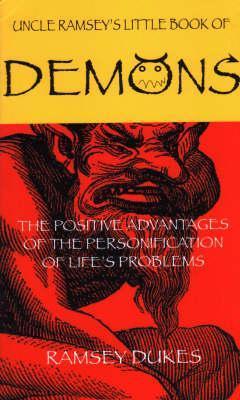
The Little Book of Demons: The Positive Advantages of the Personification of Life's Problems
Book Description
What if the struggles you face every day were not just burdens but allies in disguise? In "The Little Book of Demons," Ramsey Dukes invites a thrilling exploration of life's dark corners, revealing how the personification of our problems can illuminate paths to joy, growth, and empowerment. With a fresh perspective on inner demons, this provocative guide transforms fear into fuel, unlocking the potential within personal conflicts. It’s a dance between shadow and light, where embracing chaos can lead to unexpected breakthroughs. Are you ready to confront your own demons and discover the power hidden beneath life's challenges?
Quick Book Summary
"The Little Book of Demons" by Ramsey Dukes reimagines life's difficulties—the "demons" we all encounter—not as threats to be vanquished but as powerful guides to personal growth. Drawing from occult philosophy, psychology, and creative magical practice, Dukes proposes that the act of personifying our struggles can be a transformative tool, helping us understand, befriend, and even utilize our troubles in service of greater self-awareness. Rather than suppressing negative feelings or situations, the book encourages a playful, courageous engagement with our inner darkness. By honoring and naming our demons, Dukes argues, we reclaim power from them, turning fear and chaos into sources of inspiration, resilience, and unexpected joy.


Summary of Key Ideas
Table of Contents
Personifying Problems as Spiritual Practice
Dukes begins by questioning the conventional tendency to deny or battle away our troubles. He suggests that seeing our problems as nameless foes only gives them more power. Instead, the act of personifying them—assigning them identities, motives, and even personalities—can demystify our fears. By engaging with them in this imaginative, almost mythological manner, we create distance from their emotional weight and open new channels for understanding. This is not about indulging in negativity but developing a conscious relationship with the parts of ourselves (and our lives) we might prefer to ignore.
Transforming Fear into Fuel for Growth
The book weaves together ancient magical thinking and modern psychology to show how our inner demons, when acknowledged and named, often become less frightening. Dukes draws from occult traditions where spirits and demons are interacted with, not simply feared or banished. Translating this into daily life, he encourages readers to treat their worries as autonomous entities that can be courted, bargained with, and investigated. This playful stance can break the spell of anxiety or shame and allows for creative problem-solving that would be impossible from a purely rational—or purely adversarial—standpoint.
Shadow Integration and Self-Discovery
One of the book’s core insights is the concept of shadow integration. Dukes explains that it’s normal to resist, suppress, or hide aspects of ourselves that don’t fit our self-image. But these shadows do not disappear—they lurk and manifest in unhelpful ways. By consciously engaging our demons, we learn what drives them and how their energies can serve positive ends. This process of integration turns antagonists into teachers, revealing hidden strengths, desires, or untapped creativity that can enrich our lives.
Magical Strategies for Empowerment
Rather than offering rigid rituals or dogmatic solutions, Dukes provides magical strategies that readers can adapt to their own lives. He invites readers to experiment: writing letters to their demons, giving them names, or even dialoguing with them in dreams or journaling sessions. These exercises foster a sense of play and curiosity, dissolving fear and inviting newfound power. The emphasis is always on collaboration and exploration, not domination—a subtle but profound shift in attitude that can turn even the most persistent problems into unexpected allies.
Ultimately, "The Little Book of Demons" champions an attitude of playful courage and humble wisdom in facing life’s difficulties. Dukes concludes that our demons will always be with us, but by engaging with them consciously and creatively, we unlock sources of joy, resilience, and authenticity. The journey is not about exorcising darkness but learning to dance with it, finding light in its shadows and turning what once felt like burdens into fuel for transformation.
Download This Summary
Get a free PDF of this summary instantly — no email required.